




The return process for refused cargo at destination port for damaged shipments requires rigorous Customs compliance and standardized legal transit rules that differ from conventional general cargo return procedures. Damaged commodity rejections often trigger intricate cross-border legal disputes, Customs penalties, and carrier liability conflicts, pushing standardized legal return workflows to become essential operational frameworks for forwarders serving global origin sellers.
What defines legal return transit for refused damaged destination port cargo?
Legal return transit for refused damaged cargo covers standardized cross-border shipment procedures that comply with destination CUSTOMS regulations and international shipping conventions for defective and buyer-rejected goods. Such formal workflows mitigate irregular re-export risks and unify liability confirmation standards among sellers, buyers, and logistics providers.
A large proportion of cross-border trade disputes originate from informal damaged cargo return operations that fail to complete official CUSTOMS filing and transit verification. Unlike ordinary refused cargo, damaged shipments require mandatory condition assessment and legal liability certification before return procedure activation.
According to WTO 2025 annual global trade monitoring reports, newly implemented trade restriction measures have increased cross-border cargo dispute risks. Industry statistical data shows that non-compliant handling of damaged refused cargo contributes to a notable share of cross-border logistics disputes, bringing financial penalties for export enterprises and cooperating forwarders.
A common mistake is classifying damaged cargo return as regular logistics work without completing legal qualification verification. This operational oversight may result in destination PORT detention, CUSTOMS fine issuance, and adverse credit records for exporting entities.
Why do damaged cargo rejections require exclusive legal return procedures?
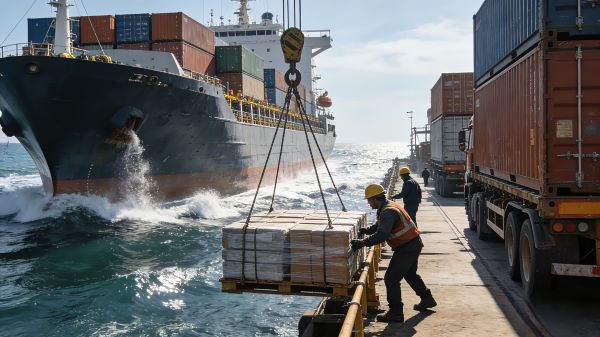
Destination CUSTOMS authorities adopt targeted supervision mechanisms for refused damaged cargo to curb false trade activities, waste commodity smuggling, and abnormal capital circulation in global trade. Damaged goods are not eligible for declaration through conventional re-export channels.
Different damage grades including minor surface damage, severe functional defects, and total cargo loss correspond to differentiated legal return supervision standards. Inaccurate cargo damage classification may invalidate submitted CUSTOMS declaration documents and delay overall return progress.
Forwarders should note that national CUSTOMS administrations adjust damaged cargo supervision clauses on an annual basis, and regional policy discrepancies raise operational difficulties for cross-border legal return arrangements.
According to UNCTAD 2024 global maritime logistics survey data, inadequate or non-compliant legal document preparation accounts for roughly 42% of damaged cargo return delays worldwide, exceeding delays caused by vessel scheduling and equipment allocation issues.
What core legal documents are mandatory for damaged cargo return transit?
Complete and standardized legal documentation serves as a fundamental prerequisite for smooth implementation of the return process for refused cargo at destination port for damaged shipments. Missing or inaccurate certification documents lead to CUSTOMS clearance rejection and prolonged cargo detention.
Official buyer refusal and damage confirmation letter: This consignee-signed written document records specific cargo damage locations, defect severity, and explicit rejection reasons. It acts as core legal evidence for return application submission and liability allocation between trade parties.
Third-party cargo damage appraisal report: CUSTOMS-authorized professional inspection institutions conduct on-site condition verification and issue formal assessment documents. The report clarifies damage triggers, including maritime transit abrasion, PORT handling errors, or pre-shipment factory quality defects.
Exclusive customs re-export application form for damaged goods: Forwarders need to fill in specialized declaration templates for defective cargo returns, instead of adopting universal re-export forms. Customized fields support accurate damage grading and liability statement recording for CUSTOMS review.
Full set of original shipping and trade vouchers: Valid original bills of lading, commercial invoices, packing manifests, and trade contracts are required for CUSTOMS verification. These documents validate the authenticity of original trade transactions and support legitimate return transit applications.
The recommended approach is to finish document sorting and internal verification within three working days after receiving formal cargo rejection notices. Timely preparation helps enterprises avoid overdue declaration penalties and extra PORT administrative fees.
How to distinguish liability before launching return transit operations?
Precise liability division supports compliant legal return arrangement and reasonable post-operation cost settlement for refused damaged cargo. Vague liability boundaries trigger repeated business negotiations and extend cargo detention cycles at destination PORTs.
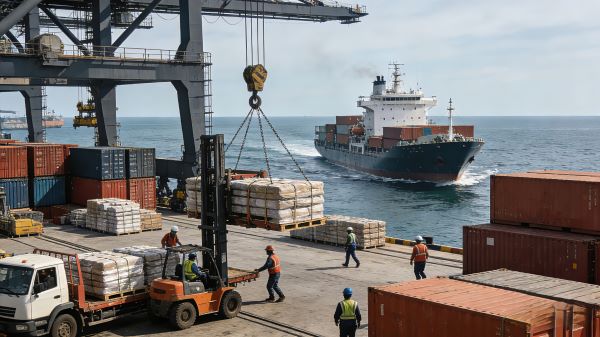
Seller-side liability confirmation: Damages stemming from pre-shipment quality defects, non-standard packaging, or inconsistent product specifications fall under seller liability. Origin sellers undertake relevant return freight, CUSTOMS charges, and PORT storage expenses under such circumstances.
Carrier-side liability confirmation: Cargo damage occurring during ocean carriage, such as container water infiltration, cargo extrusion collision, and irregular stowage, belongs to carrier liability. Forwarders can submit formal compensation claims for logistics costs and cargo losses to shipping carriers.
Port operation liability confirmation: Damage induced by non-standard loading and unloading, improper cold-chain storage, or terminal equipment malfunctions is attributable to destination PORT operators. Authorized third-party appraisal reports are necessary for formal compensation application procedures.
Buyer-side liability confirmation: Artificial cargo damage after port arrival or unreasonable rejection without valid quality grounds constitutes buyer liability. Origin sellers can deduct relevant loss expenses from pre-agreed trade deposits.
A common mistake is initiating return transit arrangements prior to formal liability confirmation. Such premature operations often result in responsible parties refusing to cover subsequent logistics expenses and trigger commercial disputes between sellers and overseas buyers.
What compliance steps standardize legal return transit for damaged cargo?
Standardized operational procedures help forwarders maintain full compliance with destination CUSTOMS regulations and international shipping conventions during damaged cargo return processing. Systematic workflow arrangement reduces legal compliance risks and operational delays effectively.
Submit damage declaration to destination customs: Operation teams shall complete truthful damage information filing with local CUSTOMS within the free detention window. Complete background disclosure lowers potential risks of irregular entry and smuggling investigations.
Apply for official customs on-site inspection: Forwarders submit written inspection applications and cooperate with CUSTOMS officers to finish on-site verification, photographic recording, and damage condition filing. Official inspection records serve as key supporting materials for return approval.
Complete liability filing and institutional review: Submit third-party appraisal reports and liability clarification statements for CUSTOMS filing and verification. Return transit scheduling can only proceed after CUSTOMS authorities confirm the legitimacy of cargo return demands.
Reserve compliant return shipping space and equipment: Coordinate with carriers to confirm return voyage routes and obtain formal re-export shipping confirmation. Forwarders should maintain data consistency between shipping documents and CUSTOMS filing records to avoid clearance mismatches.
Finish cargo loading and return handover procedures: After all legal compliance reviews pass, complete container loading and PORT handover work, and track real-time vessel navigation status to guarantee stable return transportation execution.
According to Freightos Baltic Index 2025 operational monitoring data, standardized legal return workflows can shorten the overall processing cycle of damaged refused cargo by around 35% and cut down unnecessary PORT detention and administrative expenditures.
How to avoid common legal risks during damaged cargo return?
Multiple latent legal compliance risks exist throughout the damaged cargo return transit cycle. Forwarders need to build targeted risk prevention systems to protect origin sellers’ commercial interests and ensure full operational compliance.
Unify information across all declaration documents: CUSTOMS declaration files, shipping certificates, and damage appraisal reports need to maintain consistent records on commodity name, quantity, and defect description. Inconsistent data acts as a common cause of return application rejection.
Avoid overdue customs declaration submission: Each destination PORT sets a valid time window for damaged cargo return declaration. Overdue submission may lead to CUSTOMS administrative penalties and compulsory cargo disposal arrangements.
Abandon informal unregulated return channels: A common mistake is adopting private transit channels to save operational costs. Such irregular operations may generate negative CUSTOMS credit records and interfere with enterprises’ subsequent export business layouts.
Archive full-process operational vouchers completely: Forwarders should classify and preserve inspection reports, CUSTOMS approval documents, and shipping vouchers throughout the procedure. Complete file archives support subsequent liability verification and dispute settlement work.
Forwarders should note that standardized legal return processing resolves individual cargo rejection issues and assists origin sellers in establishing long-term compliant cross-border trade systems. Mature operational mechanisms reduce repetitive logistics and legal risks in ongoing international transactions.
In cross-border cold-chain and general cargo logistics, proficient compliant documentation, accurate liability judgment, and standardized operational workflows are pivotal to improving the return process for refused cargo at destination port for damaged shipments. Skilled forwarder teams assist origin sellers in mitigating legal penalties, stabilizing logistics cost control, and realizing compliant and efficient completion of damaged cargo return transit services amid complex global trade environments.
Last
Preventing heavy demurrage penalties discovering how to handle stranded overbooked cargo by switching to alternative regional transit hubs
How to Handle Overbooked Cargo is a core operational skill that enables global freight forwarders to mitigate stranded container r
Next
Negotiating fast vessel rolls learning exactly how to handle severely overbooked cargo during sudden peak season terminal congestion
How to Handle Overbooked Cargo is a vital operational competency for global freight forwarders navigating turbulent peak season sh

