




General Average (GA) Contribution Case Study provides systematic analytical methods for logistics practitioners to calculate shared salvage expenditures and resolve multi-party claim disputes during maritime emergency responses. In recent years, frequent maritime risk events and vessel operational failures have pushed shipping stakeholders to adopt standardized GA allocation mechanisms. According to UNCTAD 2025 Review of Maritime Transport, global container shipping markets maintain moderate expansion amid continuous supply chain turbulence, with GA declaration incidents occurring steadily across major trade lanes.
What defines General Average contribution in modern maritime logistics?
General Average contribution represents an equitable maritime cost-sharing mechanism that distributes emergency risk mitigation losses among all beneficial vessel and cargo stakeholders.
This long-standing maritime legal principle operates under the updated York-Antwerp Rules, which serve as one of the commonly adopted industry frameworks for global GA declaration, verification and settlement procedures.
It differs distinctly from particular average, which attributes isolated losses to individual parties. General Average equally apportions salvage fees, remedial vessel repair costs and intentional cargo sacrifice expenses among ship owners, shippers and freight beneficiaries who gain protection from emergency operations.
Forwarders should note that GA contribution liability derives from shared risk benefits rather than individual operational fault, forming a unique settlement logic separate from conventional cargo damage claim scenarios.
Why do complex vessel incidents trigger formal GA declaration?
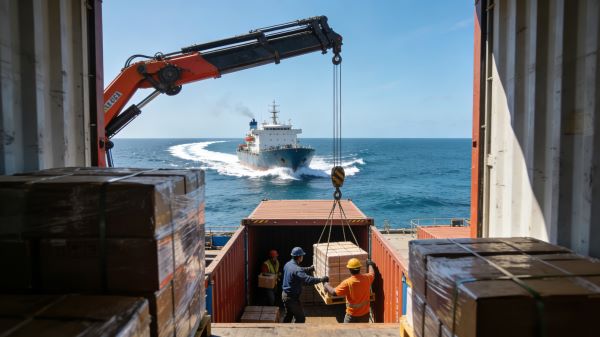
Comprehensive maritime emergency incidents require formal GA declaration to facilitate rational cost distribution and protect collective supply chain stakeholder interests.
Vessel propulsion system malfunctions, severe open-sea weather impacts, emergency cargo jettison and forced refuge port docking are typical scenarios that satisfy institutional GA triggering conditions.
A common mistake is that many logistics professionals categorize routine vessel mechanical breakdowns as GA events, resulting in inappropriate claim processing and inconsistent client communication standards.
According to IUMI 2024 maritime insurance industry statistics, vessel navigation system failures during ocean voyages are among the frequent triggers of formal GA declarations in liner container shipping businesses.
What core conditions validate legitimate General Average incidents?
Legally valid General Average incidents need to meet standardized operational and judicial conditions to support subsequent GA contribution formula application and formal cost allocation.
Genuine maritime peril existence:Vessels and onboard cargo must face real, imminent and unavoidable maritime risks instead of routine operational hazards or hypothetical threats.
Intentional and reasonable sacrifice:Emergency mitigation measures including controlled cargo jettison and vessel component abandonment require manual initiation and rationality for crisis resolution.
Collective risk benefit acquisition:Implemented emergency operations must deliver protective value to both vessel assets and majority cargo consignments to justify shared liability.
Extraordinary operational expense generation:All relevant expenditures must exceed regular voyage operational costs and exclusively serve emergency risk response purposes.
What is the practical background of this GA contribution case?
This General Average (GA) Contribution Case Study centers on a verifiable 2024 cross-border container vessel emergency incident caused by core mechanical system failure during scheduled navigation.
In August 2024, a mid-sized container vessel encountered critical stern tube system malfunction while operating on the Busan to Yokohama trade route, leading to complete loss of autonomous navigation capacity.
Qualified regional maritime salvage teams conducted professional towing services to transfer the disabled vessel to Yokohama Port for systematic inspection and structural restoration. No onboard container cargo sustained damage or required jettison during the entire emergency process.
After verifying substantial non-routine salvage and repair expenditures, the registered vessel owner submitted official General Average declaration documents, launching multi-party cost settlement procedures for all cargo stakeholders involved in the voyage.
How do industry-standard GA contribution formulas apply in real incidents?
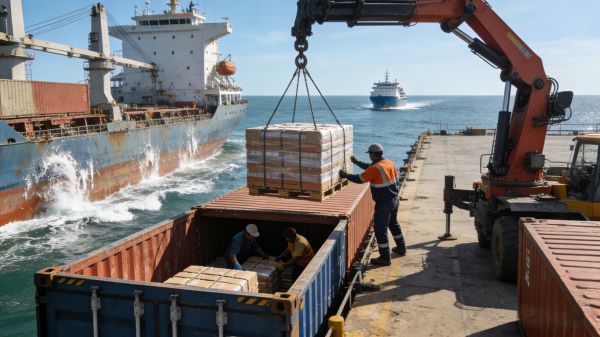
Widely recognized GA contribution formulas calculate proportional shared liabilities by matching total verified emergency losses with the assessed contributory value of each protected stakeholder asset.
The recommended approach is to follow York-Antwerp Rules-based calculation protocols, which support transparent, auditable and internationally consistent maritime cost allocation practices.
Validate eligible total GA losses:Aggregate verified salvage service fees, temporary port berthing charges, essential structural repair expenses and emergency labor costs qualified for shared allocation.
Confirm comprehensive contributory value:Calculate residual post-incident vessel value, intact cargo commercial value and accrued freight revenue to establish the total liability calculation base.
Derive individual contribution ratios:Divide each stakeholder’s verified contributory value by the overall collective value to obtain proportional cost-sharing coefficients.
Calculate final settlement amounts:Multiply total eligible GA losses by individual proportional ratios to confirm the payable amount for each participating party.
What obstacles affect accurate GA formula implementation?
Multiple operational and administrative challenges may interfere with precise GA formula application and slow down multi-party settlement progress in complex maritime emergency cases.
Inconsistent cargo value declaration standards between shippers and forwarding agencies often create contributory value verification deviations, which affect the accuracy of final proportional allocation results.
Stakeholders from different regional trade environments adopt differentiated asset valuation and accounting criteria, increasing the difficulty of unified data reconciliation and third-party audit confirmation.
Incomplete early-stage operational documentation frequently causes fragmented evidence chains for loss verification, leading to repeated supplementary material submission and prolonged settlement cycles.
How can forwarders standardize GA claim response procedures?
Standardized operational workflows enable forwarding teams to coordinate GA settlement procedures efficiently and reduce client dispute risks during maritime emergency scenarios.
Forwarders should note that proactive documentary collection and early-stage client notification help optimize the overall efficiency of GA formula calculation and fund settlement processes.
Complete timely incident verification:Confirm vessel accident details, official GA declaration credentials and salvage operation records immediately after receiving emergency notifications.
Organize systematic document collation:Sort cargo commercial invoices, packing lists, Bills of Lading and value certification files to support formal contributory value assessment.
Arrange professional third-party valuation:Engage certified maritime surveyors to verify cargo residual value and ensure calculation compliance with international shipping conventions.
Support client deposit and bond processing:Guide cargo owners to complete GA security deposit or guarantee procedures to avoid cargo detention at destination ports.
What long-term measures optimize GA settlement operational efficiency?
Sustained operational standardization helps forwarding institutions mitigate GA processing risks and stabilize cross-border cargo service quality amid persistent maritime market volatility.
Global maritime trade risks remain prevalent in the current complex shipping environment, making standardized GA response capabilities a core professional competency for global freight service providers.
Integrate GA clauses in service contracts:Clarify cargo value declaration specifications and emergency notification obligations in advance to reduce post-incident communication discrepancies.
Establish internal GA case archives:Archive verified GA incident handling records and formula application experiences to form reusable operational reference standards.
Strengthen marine insurance collaboration:Cooperate with professional maritime insurance institutions to realize efficient loss assessment and insured fund settlement for GA-related expenditures.
Track updated international GA rules:Monitor revisions of York-Antwerp Rules and relevant maritime conventions to align daily operations with prevailing industry compliance standards.
As global maritime supply chains maintain fluctuating operational states and vessel emergency incidents remain recurring, standardized GA calculation and response capabilities become essential for professional freight practitioners. Practical experience summarized from General Average (GA) Contribution Case Study scenarios helps forwarders standardize multi-party cost-sharing operations, mitigate maritime claim disputes and sustain stable cross-border logistics service delivery.
Last
Ensuring total customs compliance mapping anti tariff circumvention safe logistics supply chain solutions tailored for Solar Equipment Panel factory export
Anti-Circumvention Logistics Solutions for Solar Panel Export deliver structured customs compliance frameworks and end-to-end supp
Next
Designing anti dumping circumvention secure logistics solutions built for global Solar heavy panel renewable export
Anti-Circumvention Logistics Solutions for Solar Panel Export are standardized compliance frameworks that assist global forwarders

