




Standard Switch BL Operation for Triangle Trade serves as a critical risk control tool for forwarders to identify and mitigate fraud hazards within blind cross-border trade arrangements. In recent years, unregulated multi-party commodity transactions have gradually increased alongside global supply chain decentralization. According to UNCTAD 2025 maritime trade statistics, blind triangle trade disputes and fraud-related cases account for a notable proportion of documentary disputes in containerized ocean freight businesses worldwide.
What is switch BL handover risk control in blind triangle trade?
Switch BL handover risk control refers to systematic operational supervision and verification measures applied during bill of lading replacement procedures for blind triangle trade scenarios. It targets hidden fraud risks arising from asymmetric information among multiple trade participants.
Blind triangle trade separates upstream suppliers and downstream importers with intermediate traders acting as isolated transaction links. This operational mode creates information gaps that may be exploited for falsified document submission and illegal cargo resale behaviors.
Forwarders should note that most cross-trade fraud cases originate from non-standard BL handover processes rather than carrier rule loopholes. Strict manual verification during Switch BL Operation for Triangle Trade can effectively block most fraudulent behaviors.
Why do blind triangle trades face high fraud exposure in BL handover?
Blind triangle trade structures lack direct communication channels between cargo providers and end buyers, forming inherent information barriers that amplify documentary fraud risks during switch BL procedures.
Different from conventional bilateral trade, blind triangle trade relies entirely on intermediate parties to deliver trade documents and cargo information. The absence of mutual participant supervision increases the possibility of malicious document tampering and false cargo declaration.
A common mistake is that many forwarding teams simplify BL handover verification steps for long-term cooperative traders. Relaxed review standards create exploitable loopholes for fake switch document operations and cross-trade fraud.
According to WTO 2024 global trade risk report, documentary fraud in blind multi-party trade occurs more frequently than in general cross-border transactions, with improper BL handover being one of the main inducing factors.
What typical fraud risks exist in switch BL handover processes?
Multiple hidden fraud hazards exist throughout the switch BL handover workflow in blind triangle trade, threatening cargo safety and fund security for all trade participants.
Fake original BL surrender fraud: Malicious intermediaries may submit counterfeit original bill of lading copies to apply for switch operations. This behavior aims to retain real cargo title while completing false trade delivery records.
Inconsistent trade information fraud: Applicants may forge partial trade data including transaction amounts and cargo specifications. Mismatched information between trade contracts and switch BL files leads to post-transaction legal disputes.
Unauthorized multi-time BL switching: Unregulated traders may apply for repeated switch BL handovers without full participant consent. Multiple document replacements disrupt legitimate cargo ownership confirmation procedures.
False consignee information setting: Fraudulent applicants may fill in invalid or fictitious consignee information on new BL copies. This setting prevents legitimate buyers from picking up goods after ocean cargo arrival.
How to identify potential fraud signals before switch BL execution?
Effective fraud identification relies on standardized pre-operation inspection mechanisms to screen abnormal application behaviors in blind triangle trade switch BL demands.
The recommended approach is to establish a multi-dimensional abnormal signal screening system covering applicant qualification, document logic and operational frequency to achieve early risk warning.
Verify applicant trade qualification stability: Check the enterprise operation duration and historical trade records of intermediate applicants. Abnormally new trading entities with incomplete credit records require enhanced document verification intensity.
Check internal logic of trade documents: Compare the consistency of cargo data, transaction dates and port information among contracts, invoices and original BL. Obvious logical contradictions imply potential fraud attempts.
Monitor abnormal switch application frequency: Track the recent switch BL application frequency of clients. Unusually frequent document replacement demands within a short period reflect abnormal trade operation status.
Confirm multi-party trade willingness actively: Selectively verify trade authenticity with upstream suppliers or downstream buyers for high-risk orders to avoid unilateral malicious document operation.
What standardized handover procedures reduce switch BL fraud risks?
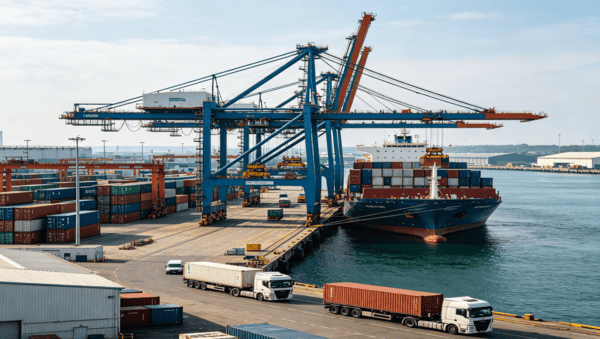
Standardized full-link BL handover specifications stabilize operational security and suppress fraudulent behaviors in blind triangle trade switch processes.
Implement full original BL physical verification: Forwarding staff need to check the anti-counterfeiting marks, paper specifications and signature validity of surrendered original BL copies. Reject applications with suspicious document authenticity.
Retain complete operational audit records: Archive application forms, indemnity letters, multi-party communication records and carrier feedback files. Complete traceable files support post-risk investigation and responsibility definition.
Enforce one-to-one information modification rules: Restrict switch BL information adjustment ranges strictly within compliant trade party content. Refuse any application involving core cargo and voyage data modification.
Adopt staged handover confirmation mechanism: Complete document submission, carrier review and new BL issuance in separate verification stages. Confirm information accuracy step by step to avoid batch fraudulent operations.
What long-term mechanisms help forwarders control cross-trade risks?
Sustained internal risk control mechanisms help forwarding enterprises adapt to the evolving risk environment of global blind triangle trade businesses.
Forwarders should note that cross-trade fraud methods update alongside iterative international trade models. Regular team risk training and rule iteration are necessary to maintain stable risk identification capabilities.
Establish client risk classification archives: Classify cooperative traders according to historical operational compliance and credit performance. Implement differentiated verification standards for high and low-risk clients.
Sort carrier anti-fraud rules regularly: Collect and summarize the latest document review standards of mainstream carriers. Update internal operational guidelines to match maritime compliance requirements.
Organize periodic fraud case analysis: Sort out industry typical switch BL fraud cases and summarize common error modes. Improve team risk awareness through practical scenario training.
Optimize internal approval processes: Set up dual-review mechanisms for high-risk switch BL applications. Avoid single-person operation loopholes that may induce fraud risks.
How does compliant switch BL operation stabilize cross-trade cooperation?
Scientific risk-controlled Switch BL Operation for Triangle Trade optimizes the security of multi-party blind trade chains and builds reliable logistics service foundations for global cross-border transactions.
Standardized handover verification and fraud screening procedures reduce the incidence of documentary disputes and illegal operations. Stable operational quality helps forwarders maintain long-term cooperative relationships with global trading enterprises.
According to Drewry 2025 global freight risk assessment data, logistics providers with complete switch BL risk control systems maintain lower dispute rates in multi-party cross-trade businesses compared with ordinary service providers.
As global blind triangle trade business volumes continue to grow steadily, documentary risk management has become a core competency for professional forwarding enterprises. Rigorous and standardized Switch BL Operation for Triangle Trade effectively identifies and suppresses cross-trade fraud risks, ensuring safe, compliant and stable operation of complex maritime multi-party trade businesses.
Last
Explaining documentation delays to buyers pending a Switch offshore BL transit operation clearing a triangle international trade lane
Standard Switch BL Operation for Triangle Trade generates variable procedural waiting periods during offshore transit, requiring f
Next
Pitching alternative schedules showing how sales teams can save client logistics costs cleverly using secondary Transshipment Routing port pricing differences
How to Save Costs Using Transshipment Port Differences provides forwarding sales teams with data-backed alternative scheduling sol

