




A standardized Hazardous Chemicals Ocean Freight Booking SOP helps global forwarders optimize dangerous cargo approval workflows and sustain regulatory compliance for cross-border chemical maritime shipments. In recent years, expanding global industrial chemical trade has lifted industry requirements for maritime safety and compliance management regarding dangerous goods transportation. According to UNCTAD 2025 maritime industry data, non-compliant booking and declaration practices for dangerous goods account for 14 percent of global maritime cargo incidents, with improper forwarding operations correlating with most relevant liability cases.
Why does standardized booking compliance matter for hazardous chemical shipments?
Standardized booking compliance refers to full-process adherence to international maritime regulations and carrier operational rules during hazardous chemical ocean freight reservation. It builds stable operational barriers to reduce safety hazards and regulatory violations in chemical shipping scenarios.
Hazardous industrial chemicals cover multiple risk categories including flammable liquids, corrosive substances and chemically reactive goods, with distinct packaging, stowage and documentary requirements for each classification. Non-compliant booking behaviors may trigger cargo rejection, terminal detention, vessel stowage denial and maritime safety incidents, causing economic losses and operational qualification risks for forwarding organizations.
Forwarders should note that hazardous chemical ocean freight undergoes multi-dimensional supervision from port authorities, shipping carriers and maritime administrative institutions. Irregular booking operations may lead to enterprise filing penalties and long-term operational restrictions in global shipping markets.
According to UNCTAD 2025 Review of Maritime Transport, human errors in dangerous goods booking and declaration serve as common factors contributing to supply chain congestion at major global shipping chokepoints. Standardized operational protocols effectively mitigate such avoidable logistics disruptions.
What core regulatory frameworks govern chemical ocean freight booking?
Global hazardous chemical ocean freight booking activities are regulated by unified international maritime safety systems and carrier-specific compliance clauses. These frameworks unify baseline operational standards for cross-border dangerous goods transportation.
The International Maritime Dangerous Goods (IMDG) Code acts as the core international regulatory framework guiding hazardous cargo classification, packaging marking, document submission and vessel stowage arrangements. All professional booking operations for hazardous chemical shipments require alignment with updated IMDG Code provisions to maintain basic operational compliance.
Major shipping carriers release supplementary dangerous goods booking guidelines based on vessel structural specifications and route risk assessments. These carrier-level rules refine operational details for special chemical commodities and high-risk maritime routes.
A common mistake is that many grassroots forwarding teams reference only basic international codes while overlooking carrier-specific booking requirements. Inconsistent operational standards result in repeated document revisions and delayed shipment execution in practical business scenarios.
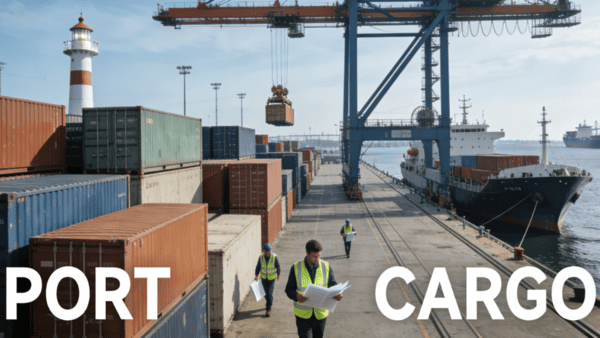
What pre-booking preparation steps ensure full compliance?
Comprehensive pre-booking preparation serves as a fundamental prerequisite for effective implementation of the Hazardous Chemicals Ocean Freight Booking SOP. Thorough preliminary work minimizes most compliance risks prior to formal cargo reservation.
The recommended approach is to divide pre-booking preparation into cargo attribute verification, documentary sorting and shipping resource confirmation, forming structured preliminary operational standards for dangerous goods logistics.
Verify accurate chemical hazard classification: Collect complete safety data sheets to confirm the UN number, hazard classification, packing group and special stowage specifications of each chemical shipment. Distinguish chemically similar goods with different risk profiles to prevent classification errors that affect subsequent booking approval processes.
Sort out standardized declaration documents: Prepare dangerous goods declaration forms, packaging certification records, shipment identification documents and special operational instructions in advance. Ensure all documentary information matches physical cargo attributes and meets filing standards set by port authorities and shipping carriers.
Confirm vessel and route adaptability: Verify carrier acceptance scopes for dangerous goods, vessel stowage capacities and route restriction policies. Screen out routes with temporary hazardous cargo transportation bans and vessels without specialized hazard containment configurations.
Complete pre-shipment packaging and marking inspection: Inspect cargo packaging integrity, outer marking clarity and label standardization in line with corresponding hazard classifications. Rectify non-standard packaging and marking issues before submitting formal booking applications.
How to execute standardized booking and approval workflows?
Standardized booking and approval workflows define unified operational procedures for application submission, audit response and shipping arrangement confirmation. Consistent process execution supports efficient and compliant chemical freight reservation.
Forwarders should note that hazardous chemical booking approval follows sequential audit procedures covering internal forwarding review, carrier preliminary verification and port official filing. Skipping any audit stage may induce compliance risks and shipment schedule delays.
Submit formal booking application with complete attachments: Fill out official carrier booking forms with accurate cargo weight, volume, hazard attributes and shipment schedule data. Attach sorted safety certifications and qualification documents for carrier preliminary review.
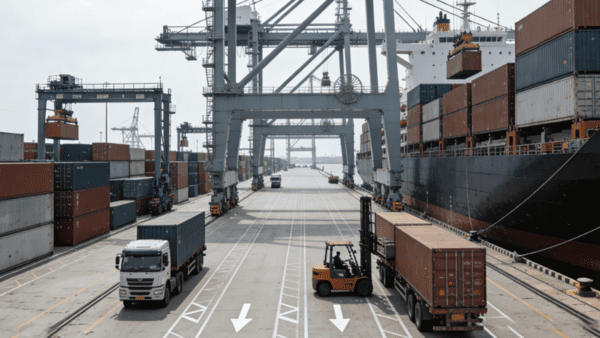
Respond timely to carrier audit feedback: Arrange dedicated personnel to track application audit status daily. Revise inconsistent documentary information, supplement missing certification materials and reply to carrier compliance inquiries within specified time frames.
Complete port dangerous goods filing procedures: After obtaining carrier booking approval, submit cargo information and qualification documents to terminal port authorities for official filing. Confirm port entry and loading qualifications before physical cargo delivery.
Confirm final shipping arrangement and stowage plan: Communicate with carrier operational teams to confirm onboard stowage positions, cargo isolation standards and special supervision protocols. Synchronize finalized shipping information with shippers to unify operational expectations.
What common booking errors trigger compliance penalties?
Irregular operational practices during hazardous chemical booking procedures may lead to regulatory penalties, cargo detention and shipment delays. Summarizing frequent operational errors helps forwarding teams optimize daily compliance management systems.
Inaccurate hazard classification and UN number declaration: Some forwarding teams adopt approximate classification standards for unfamiliar chemical commodities, causing discrepancies between declared information and actual cargo attributes. Such inconsistencies often result in carrier audit rejection and port filing failures.
Incomplete and expired certification documents: The use of overdue packaging certificates, missing safety data sheets and unapproved declaration files represents a frequent operational defect. Non-standard documentary preparation hinders overall booking approval progress.
Concealing dangerous goods attributes for simplified procedures: Individual practitioners partially conceal chemical hazard attributes to streamline approval workflows. Such intentional non-compliant operations create substantial maritime safety risks and legal liabilities for involved enterprises.
Ignoring temporary route and port restriction policies: Global shipping lanes and terminal ports adjust dangerous goods access rules dynamically based on seasonal changes and regional logistics policies. Failure to track updated regulatory terms may lead to invalid booking applications and unsuccessful cargo delivery.
How to optimize long-term compliance management for chemical freight booking?
Long-term compliance optimization for hazardous chemical booking requires forwarding enterprises to establish dynamic operational management mechanisms. Continuous process iteration helps enterprises adapt to updated international maritime regulations and carrier operational clauses.
Forwarders should note that dangerous goods compliance management belongs to sustained systematic operation rather than one-time procedural handling. Operational teams need to update internal standards synchronously with regulatory iterations.
According to Drewry 2025 global shipping industry observations, forwarding enterprises equipped with standardized dangerous goods booking management systems maintain stable shipment pass rates and lower frequencies of operational disputes in chemical freight businesses.
Enterprises can organize regular professional training for frontline operational teams, focusing on updated IMDG Code provisions, carrier booking specifications and common error prevention strategies. Improved team professionalism reduces manual operational risks in daily booking practices.
Establishing internal cargo information archives serves as another practical optimization method. Teams can classify and archive chemical cargo booking materials, summarize operational experience for different hazard categories, and compile internal operational guidelines to boost overall booking efficiency and compliance levels.
As global maritime supervision frameworks become more refined, standardized operational mechanisms have become essential capabilities for forwarding enterprises undertaking hazardous chemical freight services. A practical and well-structured Hazardous Chemicals Ocean Freight Booking SOP standardizes dangerous goods approval workflows, mitigates common compliance risks, and stabilizes service quality for cross-border chemical ocean transportation businesses.
Last
Avoiding carrier space rejection penalties drafting a Hazardous Materials Chemicals routing ocean logistics freight standard booking compliance SOP
A standardized Hazardous Chemicals Ocean Freight Booking SOP helps global forwarding practitioners reduce carrier space rejection
Next
Resolving supplier freight disputes over the complex return process for heavily damaged refused cargo at the US destination port
The Return Process for Refused Cargo at Destination Port involves intricate legal and contractual rules within United States port

