




How Long Does Tank Container Cleaning Take serves as a vital operational reference for global forwarders arranging round-trip vessel bookings. During peak shipping seasons, widespread depot congestion and compact vessel schedules disrupt conventional Tank Container cleaning turnaround cycles. Tank container cleanliness acts as a mandatory compliance threshold for bulk liquid freight transport, covering food-grade liquids, industrial chemical solvents, edible oils, and pharmaceutical auxiliary materials. Contaminated tank equipment may trigger cargo rejection, port administrative penalties, and prolonged shipment delays. For forwarding teams delivering end-to-end logistics solutions, accurate cleaning duration estimation helps improve booking precision, container repositioning efficiency, and overall supply chain operational stability during high-throughput periods.
What defines standard Tank Container depot cleaning in global bulk logistics
Standard Tank Container depot cleaning refers to standardized multi-stage sanitation procedures implemented at certified maritime depots. The core purpose involves eliminating residual cargo substances, sanitizing internal tank surfaces, and meeting unified international maritime and food safety compliance criteria.
This routine cleaning mode excludes intensive deep decontamination and hazardous material remediation workflows, functioning as a universal baseline procedure for reusable ISO tank equipment in cross-border bulk liquid transportation. The complete standardized workflow includes four sequential core steps: pre-cleaning inspection and residue classification, preliminary water flushing and physical mechanical cleaning, targeted chemical sanitization and residual treatment, as well as final low-temperature drying and compliance verification. All operational procedures follow unified specifications issued by the International Tank Container Organisation (ITCO), ensuring consistent service quality across global regional logistics hubs.
According to the ITCO 2025 Global Fleet Survey, most routine tank container reuse operations adopt standard depot cleaning protocols for daily cargo turnover. This standardized procedure is one of the commonly adopted approaches for conventional tank equipment recycling in global bulk liquid logistics. Forwarders should note that standard cleaning workflows apply only to non-hazardous and low-residue bulk commodities. Cargoes with high viscosity, corrosive properties or toxic residues require upgraded customized decontamination solutions, which inevitably extend overall processing cycles. Inaccurate cleaning requirement classification is a major source of unplanned vessel booking delays during peak shipping seasons, as depot operators prioritize standard compliant orders and arrange complex customized cleaning tasks in alternative time slots.
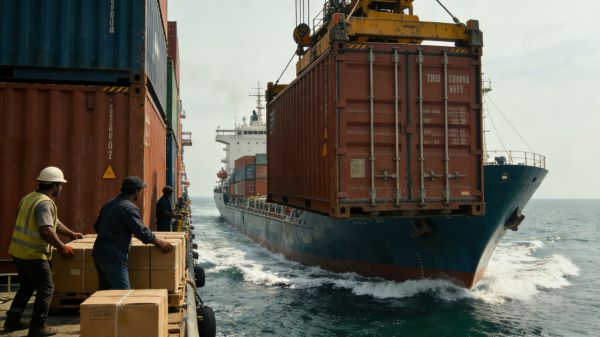
How peak shipping seasons affect standard tank cleaning turnaround efficiency
Peak shipping seasons generate systemic operational bottlenecks that prolong standard Tank Container cleaning durations beyond regular off-peak baseline values. The efficiency fluctuations stem from surging container throughput, insufficient on-site labor allocation, and saturated operational load of professional cleaning equipment.
These seasonal variations require forwarders to reserve flexible scheduling buffers and adjust round-trip vessel booking timelines properly to adapt to extended cleaning cycles. Global maritime peak shipping windows generally cover the second to fourth quarters each year, aligning with international retail restocking demands and seasonal growth in cross-border industrial raw material transportation.
According to UNCTAD 2025 maritime logistics statistical reports, global tank container throughput rises moderately during peak seasons compared with low-traffic months. Major hub ports including Singapore, Rotterdam, Shanghai, and Los Angeles face notable yard congestion and increased operational pressure, which reduce depot scheduling flexibility and extend queuing and processing durations for standard cleaning orders.
Three core seasonal variables lead to reduced cleaning efficiency in peak periods. First, depot labor staffing fails to expand in line with rapidly growing container volumes, forming persistent queue backlogs for incoming tank units. Second, cleaning machinery, constant-temperature drying systems and professional inspection devices maintain high-load operation with limited downtime for routine maintenance, slowing down single-container processing progress. Third, port and depot authorities conduct more frequent compliance spot checks during busy seasons, adding necessary verification procedures that are simplified in low-traffic periods.
A common mistake is that many forwarders apply off-peak cleaning time data to peak-season booking planning. This inappropriate scheduling method causes rushed container repositioning, failure to meet vessel cut-off deadlines, and extra costs from emergency cargo rerouting. Delayed tank readiness further triggers cascading schedule disruptions for round-trip vessel voyages, affecting return cargo loading and subsequent voyage arrangement.
What are verified standard cleaning durations in off peak and peak seasons
Standard Tank Container cleaning maintains fixed procedural consumption under stable off-peak operational environments. Peak-season congestion introduces variable waiting intervals, which forwarders must incorporate into round-trip vessel booking calculations. Distinguishing between inherent processing duration and seasonal waiting duration helps improve schedule accuracy.
Off peak standard cleaning baseline duration
Based on 2026 certified operational data from global professional container service depots, the core hands-on cleaning work for standard ISO tanks consumes 2 to 3 hours, covering internal cyclic flushing, mild auxiliary chemical treatment and surface sanitization. With mandatory pre-inspection, full-process drying treatment and post-cleaning compliance verification included, the complete off-peak turnaround cycle stably ranges from 4 to 6 hours per tank unit. Low-traffic seasons support sequential batch processing without queuing delays, enabling precise hour-level scheduling for vessel booking arrangements.
Peak season total cleaning turnaround duration
Peak-season operational pressure adds substantial non-processing waiting time to standard cleaning workflows. According to aggregated 2024–2026 operational statistics from global mainstream shipping hub depots, the complete end-to-end turnaround cycle for standard tank cleaning extends to 8 to 12 hours during peak periods. The prolonged duration includes 3 to 6 hours of pre-processing queuing time, on top of the fixed 4 to 6 hours of actual cleaning and inspection operations.
Forwarders should note that extreme congestion scenarios, such as pre-holiday shipping surges and post-production-cycle cargo centralized delivery, may further extend the total turnaround time for standard cleaning orders at core port depots. Such time variability requires dynamic schedule adjustment rather than rigid fixed-duration application in round-trip vessel booking management.
Which variables cause peak season tank cleaning time fluctuations
Multiple operational and environmental factors lead to inconsistent cleaning durations during peak shipping seasons. Forwarders need to set flexible scheduling buffers in round-trip vessel booking frameworks to mitigate scheduling errors and stabilize supply chain predictability.
Regional depot capacity density: Core hub depots with large daily container throughput generate longer queuing cycles compared with secondary inland depots. According to 2025 Shanghai Shipping Exchange operational monitoring data, depots adjacent to major global container ports record moderately longer peak-season cleaning turnaround times than inland and secondary port facilities due to concentrated cargo gathering.
Previous cargo residue characteristics: Even for cargoes eligible for standard cleaning, subtle residue differences affect overall processing speed. Light edible oil and water-soluble chemical residues can be cleaned within baseline durations, while moderately viscous industrial residues require extended multi-round flushing cycles, adding 1 to 2 hours of extra processing time per tank.
Local weather and ambient conditions: High atmospheric humidity, extreme temperature fluctuations and seasonal rainfall interfere with tank interior drying procedures, a key link in standard cleaning workflows. Coastal humid regions commonly require prolonged drying treatment in summer peak shipping periods, increasing overall turnaround consumption.
Real-time compliance audit frequency: Port authorities arrange more random cleaning quality inspections during peak seasons to control cargo contamination risks. Temporary on-site audits may create 30 to 90 minutes of equipment holding time for single containers, disrupting continuous processing sequences.
The recommended approach is for forwarders to classify tank containers by historical cargo attributes and depot geographical location before confirming peak-season cleaning orders. Differentiated time buffer configuration helps prioritize time-sensitive tank units for urgent round-trip vessel booking tasks.
How to embed tank cleaning timelines into round trip vessel booking strategies
Scientific integration of peak-season tank cleaning timelines into booking workflows helps eliminate schedule mismatches between container readiness and vessel departure windows. Forwarders can adopt standardized structured scheduling logic to align cleaning cycles with formal voyage timetables.
Set differentiated dual time buffers: Separate inherent cleaning processing time and peak congestion waiting time in all scheduling calculations. Reserve a 12-hour comprehensive buffer for standard tank cleaning in peak seasons to cover processing and potential queuing risks, while a 6-hour buffer suffices for regular off-peak scheduling scenarios.
Complete depot drop off in advance: To offset peak-season timeline uncertainty, forwarders can arrange tank container delivery to certified depots no less than 24 hours before official vessel loading cut-off time. This operation reserves sufficient contingency space for unexpected audit holds and equipment operational delays.
Adopt coordinated batch cleaning arrangement: For bulk round-trip booking orders with multiple tank units, forwarders can negotiate fixed batch processing windows with cooperative depots. In line with ITCO 2025 operational guidelines, standardized batch scheduling helps reduce queuing duration for bulk tank cleaning tasks.
Pre arrange return voyage cleaning slots: For fixed round-trip shipping routes, book destination depot cleaning slots in advance before vessel arrival. Proactive reservation eliminates last-minute cleaning delays and ensures orderly return cargo loading and continuous voyage arrangement.
A common mistake is relying merely on vessel timetables without referring to real-time depot congestion data. Overemphasis on booking speed while ignoring cleaning cycle matching may result in vessels departing on schedule without qualified cleaned tanks for loading, causing vacant slot waste and reduced shipment revenue.
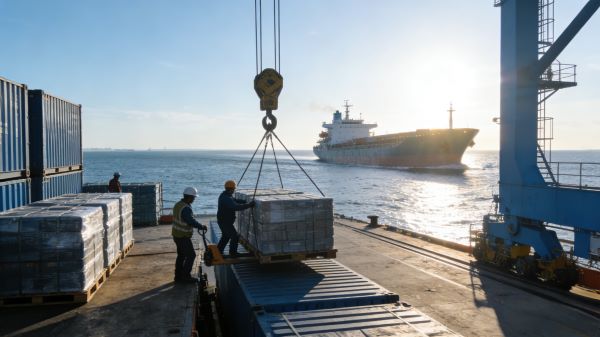
What operational improvements come with precise peak season cleaning scheduling
Accurate estimation and scheduling of peak-season tank cleaning durations bring practical operational and cost optimization effects for forwarders undertaking round-trip vessel logistics businesses. Refined time management helps reduce operational waste and strengthen supply chain service competitiveness in busy shipping cycles.
According to Freightos Baltic Index (FBX) 2025 operational efficiency analysis, forwarders who adopt dynamic peak-season cleaning timeline scheduling achieve noticeable reductions in container turnaround delays and empty container repositioning expenditures. Such optimization effects derive from avoided schedule mismatches that usually lead to temporary container leasing and emergency cargo rescheduling.
Standardized scheduling also improves client service stability and compliance performance. Bulk liquid cargo shippers tend to cooperate steadily with forwarders who deliver predictable container readiness cycles, as cleaning delays may disrupt downstream industrial production and food processing arrangements. Meanwhile, sufficient reserved cleaning time reduces inspection non-compliance risks, as rushed cleaning operations show higher probabilities of failing port quality verification based on 2024 ITCO quality monitoring data.
Forwarders should note that precise peak-season scheduling supports steady operational iteration for round-trip vessel routes. Stable tank cleaning timelines enable reasonable return voyage slot reservation, improved vessel space utilization, and reliable transit cycle control, helping maintain stable market competitiveness in high-traffic shipping seasons.
In practical peak-season bulk liquid shipping operations, clarifying How Long Does Tank Container Cleaning Take acts as a pivotal scheduling capability for global forwarders. By distinguishing off-peak baseline durations from congestion-adjusted peak-season turnaround cycles, sorting out multi-dimensional influencing variables, and embedding standardized scheduling workflows into round-trip vessel booking mechanisms, freight teams can mitigate avoidable shipment delays, improve container asset utilization, and sustain stable service quality throughout high-intensity shipping periods.
Last
Avoiding terminal detention charges forecasting how long does hazardous Tank Container specialized wash cleaning take at destination
How Long Does Tank Container Cleaning Take serves as a vital operational reference for global forwarders seeking to mitigate desti
Next
Reducing port handling costs utilizing a proven LCL consolidation cargo strategy where weight to volume ratios achieve optimized performance in this business case
This practical LCL Cargo Weight-to-Volume Optimization Caseexplores how standardized Less-than-Container Load (LCL) consolidation

