



Independent freight forwarders lack long-term contractual carrier partnerships and dedicated allocated vessel space, forcing them to adopt agile, cost-efficient strategies to hedge ocean freight rates volatility amid erratic global peak shipping cycles. The contemporary container shipping market features blurred seasonal boundaries, abrupt capacity tightening, and rapid tariff fluctuations, creating persistent operational and profitability risks for small-to-medium independent forwarding enterprises.
What makes modern peak shipping cycles unpredictable for independent forwarders
Irregular peak shipping cycles refer to unseasonal demand surges and capacity crunches that disrupt traditional quarterly shipping seasonality within global containerized trade networks. These non-cyclic market shifts break conventional operational planning rhythms for logistics service providers of all scales.
How have traditional seasonal shipping patterns evolved
Historically, container shipping peak cycles followed predictable seasonal patterns, driven by pre-holiday retail inventory restocking in Western markets and pre-festival manufacturing shipment suspensions across East Asia. Forwarders could formulate capacity reservation and pricing strategies based on stable annual market cycles, ensuring orderly operational arrangements and controllable cost budgets.
In recent years, global supply chain restructuring, regional trade policy adjustments, and recurring maritime operational disruptions have dismantled this predictable market framework. Peak demand no longer concentrates within fixed calendar windows, instead emerging sporadically across off-peak quarters and creating unplanned market tension throughout the year.
What market factors trigger unseasonal peak volatility
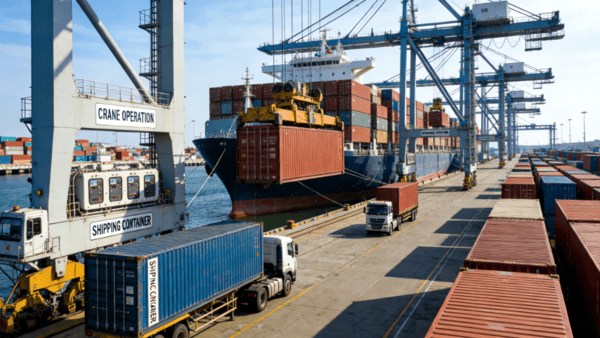
According to UNCTAD 2025 Maritime Transport Review, global container ton-mile volumes maintain steady growth amid frequent maritime route diversions, elevating baseline capacity utilization and sustaining persistent market tightness across multiple quarters. Sporadic demand spikes now stem from emergency inventory replenishment, cross-border trade policy revisions, and regional industrial production surges, rather than traditional seasonal drivers.
Geopolitical maritime disruptions further exacerbate market uncertainty. Sustained navigational risks in the Red Sea compel mainstream liner carriers to reroute container vessels via the Cape of Good Hope, extending transit lead times and consuming idle capacity reserves. According to Drewry 2025 World Container Index (WCI) monitoring data, container freight rates witness periodic upward corrections during conventional off-peak seasons, completely blurring the demarcation between peak and off-peak shipping cycles.
Why independent forwarders bear higher risks in volatile peak markets
Independent freight forwarders are asset-light logistics operators without exclusive long-term carrier contracts or fixed annual volume commitments. Their operational structure and resource endowments make them far more susceptible to freight volatility during unplanned peak market movements.
Constrained contracted capacity access: Large integrated logistics enterprises secure priority vessel space allocation through multi-year volume-based carrier contracts. In contrast, independent forwarders rely primarily on ad-hoc spot bookings and temporary agent quota allocations. During sudden capacity crunches, their accessible cargo space shrinks drastically, accompanied by immediate spot tariff hikes.
Limited pricing bargaining power: Fragmented, variable cargo volumes prevent independent forwarders from obtaining preferential contractual tariff tiers from major liner carriers. According to Freightos Baltic Index (FBX) 2024–2025 market statistics, spot rate premiums during unseasonal peak surges expand substantially, with small-scale forwarders absorbing the majority of incremental shipping costs.
Insufficient financial risk buffers: Most independent forwarding firms operate on low gross profit margins and limited working capital reserves. Sharp, unanticipated freight rate fluctuations during peak periods directly compress profit margins and may cause client order losses due to delayed quotation revisions and cost adjustments.
A common mistake is that numerous independent forwarders retain reactive operational mindsets for peak season preparedness. They only adjust booking strategies and client pricing after capacity shortages and tariff spikes materialize, rather than building proactive volatility hedging mechanisms in advance, resulting in sustained operational passivity.
What core operational challenges arise from irregular peak cycles
Unpredictable peak shipping cycles create systematic operational challenges for independent forwarders, covering financial budgeting accuracy, service delivery reliability, and long-term market competitiveness maintenance.
How do disordered peak cycles undermine cost budgeting accuracy
Accurate medium-term logistics budgeting relies on stable seasonal fluctuation ranges and predictable demand cycles. Unseasonal peak demand surges break traditional cost estimation frameworks, rendering conventional monthly and quarterly budget models ineffective for daily operational guidance.
According to Shanghai Containerized Freight Index (SCFI) 2025 operational data, core Asia-Europe and Trans-Pacific routes have experienced multiple single-digit weekly tariff surges in non-traditional off-peak months. These abrupt price movements eliminate forwarders’ ability to pre-allocate reasonable cost buffers, leading to unplanned operational expenditure.
How do capacity shortages degrade service delivery standards
Unbalanced cargo demand and vessel capacity matching during irregular peaks trigger widespread container space shortages and equipment bottlenecks across major trade lanes. These supply chain frictions directly impair forwarders’ core service delivery capabilities for B2B clients.
In tight capacity markets, liner carriers prioritize cargo shipment arrangements for contractual clients with fixed volume commitments. Independent forwarders frequently encounter booking delays, cargo rollovers, and container rejections, which erode client trust and hinder stable long-term business cooperation development.
What practical hedging tactics match independent forwarders’ business scale
Asset-light independent forwarding operations require low-risk, flexible, low-capital hedging tactics adapted to limited cargo volumes and unstable order cycles. These targeted solutions effectively hedge ocean freight rates volatility without imposing rigid long-term contractual obligations.
Forwarders should note that excessive long-term contractual commitments are unsuitable for independent operators. Rigid minimum volume clauses in annual contracts may trigger penalty fees during market downturns or order contractions, making flexible segmented hedging strategies more practical and adaptive.
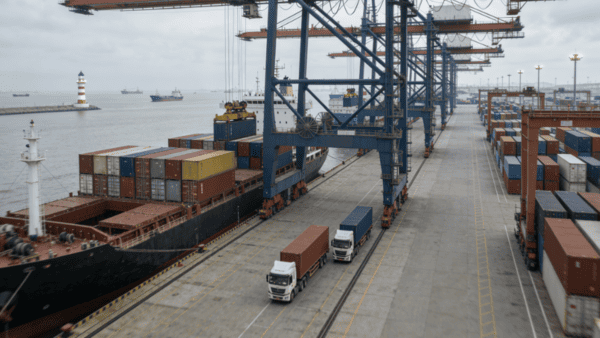
Deploy short-cycle phased space reservations: The recommended approach is to sign quarterly or bi-monthly non-binding space agreements with regional mid-tier carriers, instead of rigid annual fixed contracts. This tactic locks baseline stable capacity and tariff levels during high-risk peak windows while preserving operational flexibility for off-peak market adjustments.
Establish multi-agent capacity pooling networks: Independent forwarders can integrate scattered booking resources by maintaining long-term cooperative partnerships with multiple local freight agents. Cross-network resource sharing mitigates capacity shortages during sudden demand surges and diversifies the risks of single-channel procurement failures.
Adopt index-linked dynamic quotation mechanisms: Formulate transparent client pricing rules tied to real-time FBX and SCFI benchmark data. Synchronize market fluctuation thresholds with clients in advance to reconcile pricing adjustments, preventing profit erosion caused by fixed static quotations amid sudden tariff volatility.
Implement proactive shipment staggering strategies: Guide recurring clients to arrange bulk cargo shipments in advance and disperse booking schedules. Staggering shipment timetables avoids concentrated order submissions during peak demand outbreaks and reduces overall exposure to spot rate volatility.
How to build a sustainable anti-volatility operational framework
Tactical short-term adjustments mitigate temporary peak market risks, while sustained operational resilience requires independent forwarders to build standardized anti-volatility systems covering data monitoring, resource layout, and service differentiation.
How to build real-time market intelligence monitoring
Timely identification of market trend shifts forms the foundation of effective freight hedging. Forwarders need continuous tracking of authoritative freight indices and global maritime incident updates to capture early warning signals of impending demand surges and tariff increases.
Consistent monitoring of Drewry WCI, FBX, and SCFI benchmark indices enables forwarders to summarize route-specific fluctuation patterns. By analyzing historical market cycles and real-time market fundamentals, operators can forecast potential peak windows and complete pre-emptive capacity reservation and cost layout.
How to create differentiated service competitiveness
Most independent forwarders rely on homogeneous price-oriented competition, which places them at a disadvantage during volatile peak markets. Cultivating value-added service differentiation helps offset cost volatility pressures and stabilize client cooperation.
Forwarders can deliver customized supply chain solutions including priority cargo tracking, flexible shipment rescheduling, and emergency contingency plans for high-value long-term clients. Elevated service reliability builds client stickiness and offsets the competitive disadvantages of unstable short-term spot pricing.
How to upgrade carrier cooperation resources progressively
With stable business accumulation, independent forwarders can gradually expand carrier cooperation channels and moderately increase locked capacity ratios. Continuous small-volume cooperative records help enterprises accumulate market credibility and negotiate more favorable contractual terms over time.
This incremental resource upgrading model avoids the risks of blind large-scale contracting, steadily improving corporate risk resistance and market adaptability without overburdening operational cash flow.
What long-term benefits do systematic hedging strategies deliver
Structured freight volatility hedging enables independent forwarders to shift from passive market adaptation to active risk management. Scientific peak season risk control stabilizes profit margins and unlocks sustainable development potential for small and medium-sized logistics enterprises.
First, flexible multi-dimensional hedging mechanisms stabilize comprehensive shipping costs and prevent drastic profit fluctuations triggered by unanticipated peak tariff spikes. Stable profitability supports continuous operational turnover and long-term strategic business layout.
Second, sufficient reserved capacity and scientific shipment scheduling maintain consistent service delivery quality during peak cycles. Reliable operational performance helps independent forwarders build positive market reputation and expand client portfolios in competitive logistics markets.
Third, data-driven market analysis capabilities enable forwarders to master volatility rules proactively. Transforming passive risk avoidance into active market operation creates stable development advantages amid persistent maritime market turbulence.
Overall, erratic peak shipping cycles will remain a defining feature of the modern global maritime landscape. By adopting flexible short-term reservation mechanisms, multi-source resource integration, and data-driven operational tactics, independent freight forwarders can steadily hedge ocean freight rates volatility, sustain stable service quality, and cultivate enduring competitive strengths within the evolving global logistics ecosystem.
Last
How smart ocean logistics operators save costs transshipment port differences across overlapping trade lanes
Smart ocean logistics operators save costs transshipment port differences across overlapping trade lanes by analyzing operational
Next
Handling return logistics processes for refused cargo destination port situations when buyers disappear
Refused cargo destination port incidents resulting from unresponsive or vanished consignees are prevalent operational pain points