



Forwarding teams deploy proactive strategic planning frameworks to schedule shipments in advance and mitigate operational disruptions triggered by seasonal holiday capacity crunches across global container shipping networks. Seasonal holiday cycles consistently cause constrained vessel capacity, terminal congestion, and freight rate volatility, making pre-emptive logistics arrangement a core operational priority for global freight forwarders throughout 2025.
According to UNCTAD 2025 Maritime Transport Review data, major global holiday cycles drive prominent seasonal capacity tightening in container trades. Q4 2025 industry monitoring shows that blank sailing occurrences on core east-west trade lanes surge significantly during holiday peak windows, creating tight slot allocation and extended transit lead times for cross-border container shipments.
What causes holiday capacity crunches in global maritime logistics?
Holiday capacity crunches refer to seasonal supply-demand disequilibrium in container shipping capacity, stemming from pre-holiday cargo volume surges and carrier-initiated capacity trimming that disrupts standard logistics operational rhythms.
How do pre-holiday cargo surges reshape market demand?
Global manufacturing enterprises and cross-border e-commerce sellers complete centralized pre-holiday inventory replenishment and batch delivery arrangements before major Western and Asian statutory holidays. Concentrated export cargo requirements rapidly elevate overall containerized cargo volumes and form short-term demand spikes on mainstream trade lanes.
According to Freightos 2025 seasonal logistics analysis, container cargo throughput on Asia–Europe and Trans-Pacific trade lanes rises by 25 to 30 percent within one month prior to year-end holidays. Such intensive cargo concentration far exceeds regular daily capacity supply, resulting in prominent supply shortages and slot tension.
Why do carriers adjust capacity during holiday windows?
Major liner carriers implement proactive voyage frequency adjustments and scheduled blank sailings to optimize operational costs amid seasonal market fluctuations. Holiday crew leave arrangements, scheduled terminal maintenance, and volatile bunker fuel prices collectively drive systematic capacity reduction measures.
A common mistake is that many forwarders only focus on incremental cargo demand while neglecting carrier-side capacity contraction plans. The dual impact of rising cargo volumes and shrinking effective capacity directly triggers holiday capacity crunches and increases the difficulty of precise shipment scheduling.
How do port and terminal factors amplify peak pressure?
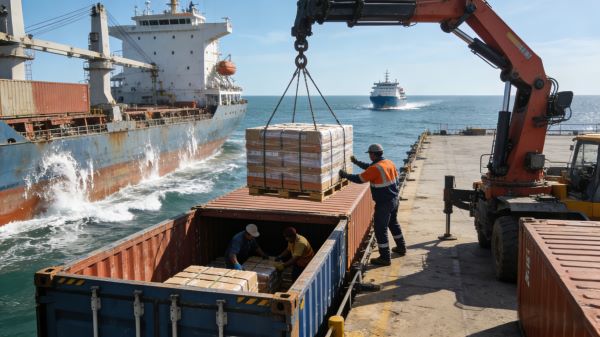
Key global hub ports arrange centralized equipment maintenance and workforce scheduling adjustments during long holiday periods. Reduced terminal operating hours and lowered handling efficiency decelerate container stuffing, discharge, and customs clearance procedures.
According to Drewry 2025 port operational monitoring data, average container dwell time at major global hubs increases by 18 percent during holiday peak seasons. Widespread terminal congestion and clearance delays further compress valid operational windows and raise overall logistics uncertainty.
Why advance strategic planning matters for peak holiday shipment scheduling?
Proactive strategic planning eliminates seasonal scheduling passivity and stabilizes service consistency as forwarders schedule shipments under constrained holiday shipping capacity conditions.
Forwarders should note that holiday logistics disruptions feature abrupt occurrence and industry-wide coverage. Reactive temporary adjustments cannot resolve systemic capacity shortages, while early strategic layout effectively mitigates delay risks and avoids unnecessary logistics cost increments.
According to WTO 2025 global trade operational statistics, logistics providers with standardized pre-holiday planning mechanisms record 29 percent higher on-time delivery performance than teams relying solely on emergency responses during peak seasons.
Seasonal capacity crunches bring multiple systematic risks, including empty container shortages, insufficient drayage capacity, skyrocketing spot freight rates, and stringent carrier slot allocation policies. Systematic advance planning enables forwarders to pre-emptively resolve these hidden risks and sustain stable client service standards.
What core risks do holiday capacity crunches bring to forwarder operations?
Holiday capacity crunches generate multi-dimensional operational risks covering slot reservation, cost control, cargo timeliness, and client relationship management, restricting sustainable and stable forwarding operations.
Tight vessel slot allocation: The recommended approach is to secure seasonal capacity reservations in advance. During holiday peaks, liner carriers prioritize contractual clients for slot distribution, leaving spot booking channels with limited available space and elevated rejection rates.
Volatile freight rate fluctuations: Market-driven demand surges trigger sharp spot rate volatility. Seasonal capacity shortages continuously push up transaction prices, generating unplanned cost increases for shipments without pre-fixed capacity.
Extended cargo transit cycles: Terminal congestion and voyage schedule compression degrade overall transportation efficiency. Carriers often execute port skipping and voyage sequence adjustment during peaks, leading to prolonged transit durations and unstable estimated time of arrival.
Elevated empty container equipment shortage risks: Concentrated pre-holiday shipment volumes cause empty container imbalance at major loading ports. Insufficient equipment supply delays cargo stuffing arrangements and obstructs regular shipment execution.
Increased documentary and customs clearance risks: Holiday workforce rotation and reduced terminal throughput efficiency easily cause documentary review delays and customs clearance hold-ups, raising the probability of cargo detention and shipment deviations.
What strategic planning tips support stable pre-holiday shipment arrangement?
Targeted pre-holiday strategic planning protocols help forwarders bypass seasonal capacity constraints and build stable, controllable shipment scheduling rhythms throughout peak seasons.
Map holiday peak cycles in advance: Forwarders should note that different trade lanes feature differentiated peak time windows. Operational teams need to sort out annual global holiday schedules, summarize historical cargo surge patterns, and mark high-risk scheduling periods for preventive preparation.
Lock tiered reserved capacity ahead of peaks: The recommended approach is to sign seasonal supplementary capacity agreements with cooperative liners. Securing fixed slot reservations three to four weeks before predicted peak periods avoids fierce spot market capacity competition.
Optimize batch shipment staggering arrangements: Implement staggered dispatching plans for bulk cargo shipments. Disperse concentrated delivery requirements to non-peak time windows, reduce single-batch cargo pressure, and alleviate overall lane capacity load.
Upgrade container equipment pre-reservation mechanisms: Pre-book adequate empty containers, chassis, and special handling equipment before holiday peaks. Establish standby equipment inventory to offset seasonal equipment supply deficits.
Formulate peak-season delivery buffer mechanisms: Communicate proactively with cargo owners to clarify seasonal transit fluctuations and set reasonable delivery time buffers. This practice effectively reduces service disputes arising from objective seasonal logistics delays.
Build multi-carrier alternative capacity backup systems: Reserve standby voyage resources on core trade lanes. When primary carriers implement blank sailings or slot restrictions, teams can rapidly switch to alternative carriers to ensure continuous shipment execution.
How to optimize cost control during holiday peak scheduling?
Scientific peak-season scheduling strategies balance shipment operational stability and comprehensive cost management, avoiding excessive logistics expenditure caused by seasonal market volatility.
Balance contractual and spot booking proportions: The recommended approach is to increase contractual booking ratios before holiday peaks. Stable contractual freight rates effectively hedge against high spot market prices triggered by seasonal demand surges.
Optimize LCL consolidation cycle planning: Adjust less-than-container load consolidation schedules in advance. Complete cargo collection and consolidation before the arrival of capacity crunches to prevent prolonged consolidation cycles and delayed dispatching.
Control over-reliance on emergency expedited services: A common mistake is excessive dependence on premium peak-season expedited logistics solutions. Sufficient advance planning reduces the need for emergency interventions and controls overall operational costs.
Track real-time freight index dynamics: Continuously monitor Freightos Baltic Index and Drewry weekly container index fluctuations before holidays. Dynamically adjust booking timing based on market trend analysis to hedge freight rate spike risks.
What common planning errors should forwarders avoid in peak seasons?
Most peak-season shipment scheduling failures stem from recurring operational flaws, which can be eliminated through standardized pre-holiday planning governance.
Underestimate seasonal capacity adjustment magnitudes: A common mistake is adopting regular-month capacity data for peak-season scheduling reference. Holiday blank sailing scales and cargo growth rates substantially exceed normal levels, leading to inadequate capacity preparation.
Delay pre-holiday capacity locking procedures: Many operational teams maintain a wait-and-see attitude toward freight rate fluctuations and postpone booking arrangements. Delayed reservations result in full slot saturation and passive shipment postponement.
Neglect multi-stakeholder pre-peak synchronization: Insufficient early communication with suppliers, terminal operators, and carriers causes inconsistent operational rhythms. Information asymmetry impairs the overall execution efficiency of pre-holiday planning schemes.
Apply unified scheduling standards for all cargo types: A common mistake is implementing identical time buffers and priority rules for all shipments. Undifferentiated planning fails to provide targeted risk protection for time-sensitive and high-value cargoes during peak seasons.
How to build long-term peak holiday logistics planning systems?
Iterative long-term planning systems enable forwarders to cultivate mature peak-season operational capabilities and steadily address recurring holiday capacity crunch challenges.
The recommended approach is to establish a dedicated annual peak-season logistics database. Record historical holiday cargo volume variations, blank sailing frequencies, freight rate fluctuation ranges, and terminal congestion data to support data-driven predictive planning for subsequent years.
Forwarders should note that regular seasonal operational drills enhance team emergency response capabilities. Simulating peak capacity shortage scenarios helps teams master rapid scheduling adjustment, alternative capacity switching, and emergency client communication protocols.
Sustained carrier relationship management serves as a vital long-term operational strategy. Stable cooperative ties with core liner carriers enable forwarders to access preferential slot reservation qualifications and flexible capacity adjustment rights during holiday peak windows.
According to UNCTAD 2025 industry assessment data, forwarding enterprises with complete seasonal planning systems achieve 26 percent lower peak-season shipment delay rates and 15 percent reduced comprehensive seasonal logistics costs compared with teams without standardized planning mechanisms.
As global maritime trade maintains low-speed growth and seasonal capacity adjustments become more frequent, holiday capacity crunches will remain a persistent challenge for cross-border logistics operations. Forwarders equipped with scientific strategic planning methods and sufficient peak resource reserves can reasonably schedule shipments to avoid seasonal logistics stagnation risks, stabilize client service quality, and sustain long-term market competitiveness in global freight forwarding businesses.

Last
Tracking warehouse pick and pack milestones to optimize logistics cycle efficiency in regional hubs
Freight forwarders can track standardized warehouse picking and packing milestones scientifically to optimize logistics cycle effi
Next
Standard operating procedures independent forwarders use to control transportation risks on new overland lanes
As global supply chain diversification accelerates and businesses reduce reliance on traditional maritime shipping corridors, inde