




Complex global multimodal freight operations involve frequent modal transfers and cross-border handover procedures, so professional logistics teams deploy integrated multimodal tracking technology to control transportation risks and eliminate end-to-end supply chain visibility gaps. Evolving trade fragmentation and diversified transport combinations have rendered traditional single-mode tracking tools inadequate for modern cross-border logistics, raising unstructured operational uncertainties. According to UNCTAD 2025 Review of Maritime Transport, approximately 43% of global cargo disruptions are caused by visibility discontinuities during multimodal handover stages across road, rail, sea and air transport segments.
What defines multimodal tracking technology in cross-border freight
Multimodal tracking technology refers to integrated digital monitoring systems that unify data collection, shipment positioning and operational visualization across all transport modes to support continuous cargo supervision throughout cross-border transit. It addresses the data fragmentation issues commonly seen in standalone single-mode tracking tools.
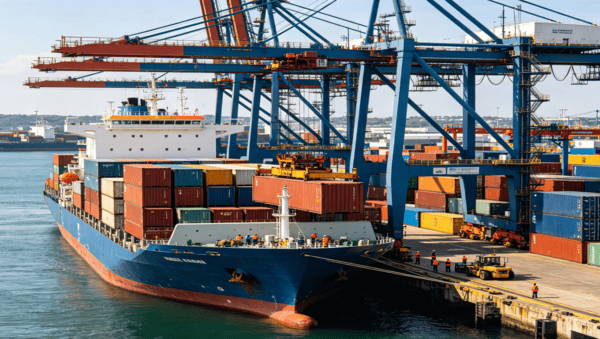
How does multimodal tracking differ from conventional tracking solutions
Traditional freight tracking systems operate independently for road, maritime or air transport and cannot synchronize operational data during transshipment, border clearance and carrier substitution processes. Modern multimodal tracking platforms integrate IoT sensors, global satellite positioning, EDI/API data aggregation and cloud-based dashboards to deliver unified full-lifecycle shipment visibility. According to verified industry analytics released in early 2026, global supply chain visibility spending continues growing steadily as forwarders prioritize transparent multimodal operation supervision.
A common mistake is that many logistics practitioners confuse comprehensive multimodal tracking with basic GPS location tracking, ignoring its core function of cross-carrier and cross-modal data synchronization. This misconception causes enterprises to retain siloed monitoring workflows and fail to build systematic risk early warning capabilities.
Why is multimodal tracking indispensable for modern freight risk management
Multimodal tracking technology bridges information asymmetries in fragmented cross-border logistics networks and provides real-time data evidence for forwarders to identify, assess and mitigate potential transportation hazards. It constitutes a core digital component of standardized modern freight risk control frameworks.
What core pain points of traditional risk management can this technology resolve
Eliminate cross-modal visibility blind spots: International multimodal freight requires repeated modal switching and handover between different asset-based carriers, which easily creates information vacuum intervals. Discrete single-mode tracking tools cannot connect segmented transit data, leaving logistics teams unable to monitor cargo status during critical handover nodes. According to 2025 global logistics industry surveys, standardized multimodal data integration reduces cross-border visibility gaps significantly compared with fragmented monitoring practices.
Improve delayed risk response mechanisms: Traditional manual data collection and offline confirmation workflows lead to prominent response lag when abnormal cargo status occurs. Minor issues including schedule deviations and delayed transshipment may escalate into cargo damage, demurrage or abandonment without timely intervention. Forwarders should note that real-time data synchronization enabled by multimodal tracking shortens risk response cycles and enhances disposal accuracy.
Standardize multi-stakeholder collaborative risk control: Cross-border freight involves shippers, forwarding agents, asset carriers, customs brokers and warehousing contractors. Unstructured information exchange among multiple parties often results in inconsistent risk judgment and redundant communication costs. Multimodal tracking provides a unified data source for all supply chain participants to implement coordinated risk prevention and mitigation.
Enable data-driven risk trend forecasting: Conventional risk management relies heavily on empirical manual judgment, which carries subjective limitations and low prediction reliability. Multimodal tracking accumulates continuous full-cycle transit data to support trend analysis on route instability, extreme weather impacts and operational efficiency fluctuations.
What core functional modules support multimodal freight risk control
Commercial-grade multimodal tracking systems for international logistics consist of multiple targeted functional modules that undertake segmented monitoring tasks and jointly form a complete risk supervision system. These modules cover positioning, environmental monitoring, data aggregation and intelligent alert dimensions.
How do individual functional modules mitigate targeted transportation risks
Uninterrupted positioning and geofence supervision: This module integrates multi-source satellite positioning systems to sustain cargo tracking in remote inland areas, open sea routes and desert sections where cellular network coverage is unavailable. It supports customized geofence configuration for border checkpoints, high-risk road segments and transshipment hubs to trigger automated alerts for route deviation and prolonged stationary status. Stable satellite positioning updates effectively reduce cargo diversion and theft risks during long-haul multimodal transit.
Real-time environmental condition monitoring: High-sensitivity temperature, humidity and vibration sensors continuously record cargo storage and transit environments, which is essential for safeguarding perishable commodities, precision electronics and industrial equipment. The system auto-generates traceable abnormality records to support liability confirmation for quality deterioration incidents. The recommended approach is to set cargo-specific threshold parameters to realize proactive environmental risk prevention.
Multi-carrier operational data aggregation: This module connects with mainstream carrier management systems via standardized EDI and API interfaces to synchronize vessel schedules, vehicle operational status, transit progress and customs clearance updates. It unifies heterogeneous data formats from different service providers and eliminates decision errors caused by information asymmetry.
Graded intelligent risk alert distribution: The system categorizes operational anomalies into general, important and urgent levels based on configurable rule sets and pushes classified notifications to corresponding operational staff. This mechanism prevents information overload from massive invalid data and ensures priority processing for critical risk events.

How to deploy multimodal tracking systems for stable risk mitigation outcomes
Scientific system deployment and standardized SOPs are necessary to maximize the risk control value of multimodal tracking technology. Simple technical access without matched operational specifications cannot deliver stable risk reduction effects.
What standardized deployment workflows fit global forwarder operations
Customize tracking solutions based on route modal attributes: Logistics teams shall select appropriate hardware configurations and functional modules according to route characteristics and modal combinations. Road-rail intermodal routes with frequent handovers require priority deployment of node monitoring and data synchronization functions, while sea-air intermodal routes emphasize environmental monitoring and schedule deviation alerts.
Unify internal enterprise data governance standards: The recommended approach is to formulate unified specifications for data viewing, alert handling and exception filing to ensure consistent execution across operational teams. Standardized data governance avoids missing potential risks caused by irregular manual operations.
Build regulated multi-party data sharing mechanisms: Forwarders should establish hierarchical data authorization frameworks to share real-time tracking data with upstream and downstream partners within compliant scopes. Timely information synchronization supports joint response to sudden disruptions including route suspensions and intensified customs inspections.
Dynamically calibrate system alert rules: A common mistake is retaining fixed alert threshold settings for long-term operation, which causes frequent false alerts or undetected risks. Operational teams need to adjust rule parameters regularly based on seasonal traffic conditions, policy updates and historical route disruption data to improve alert precision.
What operational benefits do tracking systems bring to freight risk management
Sustained and standardized application of multimodal tracking systems reduces uncertain operational hazards in complex intermodal transport and delivers measurable optimization for forwarding enterprise management. It enables the transformation of risk management from passive post-incident disposal to proactive pre-emptive prevention.
What measurable operational improvements can digital tracking deliver
According to UNCTAD 2025 authoritative logistics performance statistics, forwarding enterprises with mature multimodal visibility systems achieve notable reductions in cargo anomaly rates and transit disruption frequencies on complex cross-border routes. Digital supervision effectively lowers operational compensation expenditures and improves overall supply chain resilience amid volatile global trade conditions.
Accumulated standardized tracking data also enables forwarders to identify high-risk nodes across different trade lanes, providing data support for route optimization, carrier performance evaluation and SOP iteration. This forms a closed-loop risk management system covering real-time monitoring, early warning, emergency disposal and post-event review.
What common operational pitfalls should forwarders avoid
Although multimodal tracking technology provides solid technical support for risk control, improper application modes will restrict its practical operational value. Logistics enterprises need to avoid typical operational misunderstandings to stabilize risk management effects.
Over-reliance on automated system judgment: A common mistake is that operational staff fully depend on system automatic alerts and neglect daily manual inspection and data cross-verification. Extreme and atypical operational scenarios may not trigger preset rules, requiring manual auxiliary judgment to avoid risk omission.
Blind hardware stacking without system integration: Some forwarders deploy multiple types of tracking hardware without unified system integration, resulting in scattered data sources and increased operational complexity. The recommended approach is to adopt integrated software and hardware solutions to realize centralized data analysis and unified management.
Neglect hierarchical data security management: Multimodal tracking platforms carry substantial cargo details and commercial information of clients. Unregulated data sharing and excessive permission allocation may cause confidential information leakage and trigger secondary operational risks. Forwarders should note that data security and permission management are essential components of standardized tracking system application.
To conclude, against the backdrop of growing global trade volatility and increasingly complex multimodal transport structures, professional logistics teams leverage integrated multimodal tracking technology and standardized digital workflows to steadily control transportation risks, optimize operational stability and sustain long-term competitive advantages in global cross-border freight markets.

Last
Simple pre loading checks your ground crew can perform to reduce cargo damage inside industrial reefers
Standardized pre-loading inspection protocols enable terminal ground teams to reduce cargo damage consistently within industrial r

Next
Redesigning cross border distribution networks to optimize logistics cycle times for fashion retail brands
Global fashion retail supply chains endure sustained operational pressure from volatile consumer preferences, small-batch mixed or

