




Professional global freight forwarders choose shipping route networks based on transit speed and pricing balance to deliver stable, cost-efficient, and reliable container and breakbulk shipping solutions for cross-border traders. The global maritime logistics sector has undergone drastic structural changes from 2024 to 2025, with traditional single-dimensional route selection no longer applicable to complex supply chain scenarios.
Geopolitical frictions, persistent lane disruptions, fluctuating bunker fuel prices, and intermittent port congestion have reshaped the operational logic of commercial shipping. Forwarders are required to implement multi-dimensional evaluation mechanisms to balance cargo delivery efficiency and total logistics expenditure. This data-driven decision model effectively mitigates maritime operational risks and sustains steady supply chain circulation for global importers and exporters.
What core dilemmas do forwarders face in balancing transit speed and pricing?
Maritime shipping features an inherent trade-off between transit efficiency and logistics cost, where expedited lane services incur higher freight rates while low-cost routings come with extended lead times. According to UNCTAD 2025 maritime statistics, widespread vessel rerouting drove a 5.9% year-on-year surge in global shipping ton-miles in 2024, intensifying the speed-cost imbalance across mainstream trade lanes.
This market-wide contradiction constitutes the core operational challenge when forwarders choose shipping route networks based on transit speed and pricing balance. Unregulated one-sided selection will undermine the comprehensiveness of logistics solutions and reduce client supply chain resilience.
Why one-sided route selection causes operational losses
A common mistake is prioritizing either transit speed or ocean freight pricing in isolation without considering end-to-end supply chain performance. Many entry-level forwarding practitioners blindly adopt premium express lanes for all time-sensitive cargo or exclusively select economy slow steaming routes for general merchandise shipments.
Such arbitrary decision-making triggers two typical operational risks. Over-reliance on high-speed premium routes elevates clients’ overall logistics costs and weakens market competitiveness for merchants. Excessive pursuit of low-cost routings leads to delivery delays, inventory shortages, and even contractual breach losses for cross-border enterprises.
How cargo attribute matching resolves speed-price conflicts
Forwarders should note that scientific speed-price balance must be tailored to specific cargo characteristics and customized client requirements. High-value time-sensitive commodities including consumer electronics, fresh perishables, and just-in-time production components prioritize transit punctuality and operational stability.
Low-value bulk cargo such as construction materials, industrial raw materials, and daily consumer goods takes cost controllability as the core evaluation indicator. Classified cargo management enables forwarders to formulate targeted route portfolios and eliminate mismatches between service standards and client demands.
How does real-time maritime market volatility affect speed and pricing trade-offs?
Dynamic fluctuations in the global maritime market reshape the operational efficiency and cost structure of mainstream trade lanes, constantly adjusting the benchmark for speed and pricing balance. Freight rate volatility, key waterway operational disruptions, and port throughput changes serve as three pivotal variables influencing forwarders’ route selection in 2024–2025.
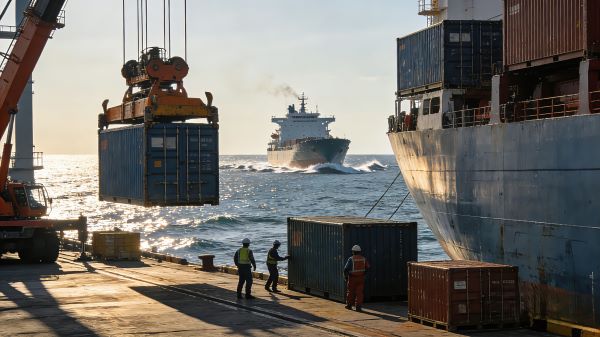
Freight index cyclic volatility: According to Freightos Baltic Index (FBX) 2025 Q1 data, Asia-Europe container spot freight rates experienced cyclic fluctuations within a 20% range from late 2024 to early 2025. Short-term rate surges render premium expedited lanes uneconomical for bulk cargo, driving forwarders to optimize route combinations for balanced cost and timeliness.
Strategic waterway throughput constraints: UNCTAD 2025 Review of Maritime Transport confirms that persistent Red Sea shipping disruptions and Panama Canal water level limitations have reduced effective throughput of global core canals significantly. Mandatory rerouting via the Cape of Good Hope increases voyage mileage by nearly 30%, lowering transit speed and raising bunker and voyage operational costs simultaneously.
Global port congestion and efficiency adjustment: 2025 UNCTAD port performance data indicates that major Asian transshipment hubs maintain high container throughput pressure, with intermittent berthing congestion and prolonged container dwell time. Unplanned port delays offset the speed advantages of direct lanes and generate extra detention and demurrage charges, breaking traditional speed-price equilibrium.
What is the standardized response to market volatility?
The recommended approach is to build a real-time multi-source market monitoring system for route dynamic optimization. Forwarders need to track updated data from FBX, Drewry Shipping Consultants, UNCTAD, and official canal operation authorities on a weekly basis.
Timely adjustment of route selection criteria based on market cyclic changes avoids rigid and outdated routing schemes. This agile operational mechanism ensures sustainable speed-price balance and enhances the stability of end-to-end logistics services amid market uncertainties.
What key transit speed indicators should forwarders prioritize?
Effective transit speed assessment covers the full cargo circulation cycle from origin port stuffing to destination port devanning, rather than merely referring to pure open-sea sailing duration. Multi-dimensional indicator screening helps forwarders accurately verify the actual delivery reliability of different shipping route networks.
Voyage schedule stability: This indicator reflects the consistency of scheduled sailing cycles under normal meteorological and maritime conditions. Lanes operated by carriers with mature fixed weekly schedules deliver predictable transit performance, supporting precise client supply chain planning.
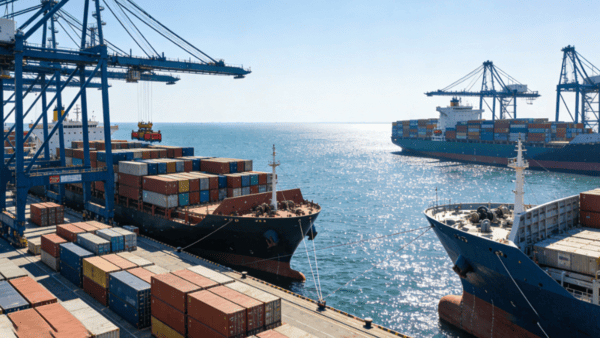
Port berthing and terminal handling efficiency: Origin and destination port berthing waiting time, container crane handling efficiency, and terminal congestion rate directly affect actual cargo turnover speed. High-efficiency smart terminals effectively reduce non-sailing idle time and compress overall shipment cycles.
Transshipment connection reliability: For multi-port relay routes, the laytime connection interval between feeder and mother vessels determines overall transit efficiency. High-quality transshipment lanes feature short connection windows and low cargo misconnection rates, preventing long-term container detention at hub ports.
Disaster and risk diversion capability: Qualified route networks support flexible vessel rerouting and cargo diversion when encountering extreme weather, maritime accidents, or regional shipping suspensions. This anti-interference capability guarantees stable delivery lead times under abnormal market conditions.
What common speed evaluation errors need avoidance?
A common mistake is overemphasizing nominal shortest sailing time while ignoring schedule stability and anti-risk performance. Some routes boast theoretical fast transit speed but suffer from frequent carrier schedule adjustments and unplanned port congestion.
Such seemingly efficient lanes fail to deliver consistent service quality, easily triggering cargo delivery delays, client complaints, and supply chain operational disruptions. Forwarders must prioritize comprehensive transit stability rather than one-sided speed data.
What pricing factors determine route cost-effectiveness balance?
Scientific route pricing evaluation relies on full-cost accounting covering all explicit and implicit expenses throughout the entire logistics chain, instead of only calculating basic ocean freight. Comprehensive cost assessment is the core premise for forwarders to realize reasonable matching of transit speed and logistics expenditure.
Spot and contract ocean freight fluctuations: Basic ocean freight constitutes the core cost component of container shipping. According to Shanghai Shipping Exchange 2025 Q1 lane data, eastbound South America trade lanes recorded a 14% month-on-month freight fluctuation range, showing obvious short-term market volatility. Forwarders need to compare both spot rates and long-term contract rates for multi-lane selection.
Variable auxiliary surcharges: Multiple operational surcharges including bunker adjustment factor, canal transit fees, war risk premium, and terminal handling charges significantly affect total shipping costs. UNCTAD 2025 data shows that global average auxiliary surcharges rose by 11% year-on-year in 2024 due to widespread lane rerouting and risk premium increments.
Time-dependent implicit logistics costs: Prolonged transit lead times generate hidden costs such as cargo capital occupation, inventory backlog, and order fulfillment delay risks. For time-sensitive high-value cargo, implicit economic losses caused by slow transportation often exceed the cost savings from low freight rates.
Long-term cooperative price stability: Forwarders maintaining long-term strategic partnerships with top-tier carriers can access stable annual contract rates. These fixed-price agreements effectively hedge spot freight spikes during peak shipping seasons, supporting sustainable speed-price balance for regular client shipments.
What pricing calculation principle should forwarders adhere to?
Forwarders should note that full lifecycle cost calculation must be implemented in all route pricing evaluations. Simple comparison of basic ocean freight cannot reflect actual route cost performance, which easily leads to distorted speed-cost allocation and reduces overall logistics solution professionalism.
How to build a systematic route selection strategy for speed and pricing balance?
A standardized classified route selection system enables forwarders to quickly match optimal shipping routes based on cargo attributes and client service demands, achieving scientific balance between transit efficiency and logistics costs. This systematic strategy significantly improves operational accuracy and market adaptability.
Cargo classification for differentiated balance criteria: Classify shipments into high-value urgent cargo, conventional general cargo, and low-value bulk cargo. Set transit speed priority for urgent shipments, cost control priority for bulk cargo, and equalized speed-price balance standards for conventional trade goods.
Multi-dimensional route resource integration: Pre-integrate direct lanes, transshipment lanes, and alternative detour lanes in the global network. Establish a standardized route database marked with transit cycle range, total logistics cost, operational stability, and risk coefficient to support rapid decision-making.
Market cycle-oriented dynamic adjustment: Adapt route selection preferences to maritime market fluctuation cycles. Prioritize stable moderate-cost routes during peak freight and congestion periods; optimize transit speed appropriately in off-seasons with sufficient vessel capacity to enhance service competitiveness.
Pre-set emergency alternative route portfolios: Develop backup routing schemes for geopolitically sensitive and disaster-prone trade lanes. Pre-configured alternative routes ensure minimal disruption to speed-price balance when core shipping lanes face temporary suspension or congestion.
What is the optimal operational workflow for route selection?
The recommended approach is to integrate cargo classification, real-time market monitoring, and emergency resource reservation to form a closed-loop route optimization mechanism. This standardized workflow reduces subjective decision errors, stabilizes end-to-end service quality, and builds stable competitive advantages for forwarders in global logistics markets.
Why is balanced route selection critical for forwarder long-term development?
Sustainable business growth of global freight forwarding enterprises depends on dual guarantees of stable service quality and controllable operational costs, both of which rely on scientific shipping route network planning. Unbalanced routing decisions will trigger either excessive client logistics costs or unstable delivery performance, damaging long-term cooperative partnerships.
Global maritime trade has entered a low-growth adjustment phase. According to UNCTAD 2025 Review of Maritime Transport, global seaborne trade volume achieved 2.2% growth in 2024 but is projected to slow to merely 0.5% growth in 2025. Sluggish trade growth intensifies market competition among global forwarders.
Industry competition has shifted from single low-price competition to comprehensive supply chain service capability competition. The ability to balance transit speed and shipping pricing has become a core benchmark for evaluating forwarders’ professional operational capabilities.
Forwarders should note that mature balanced route selection capabilities effectively reduce client supply chain operational risks and enhance client stickiness. Customized speed-price balanced logistics solutions help forwarders form differentiated service advantages in the highly homogenized global forwarding industry.
To conclude, through systematic evaluation of market fluctuations, transit performance, and full-cycle logistics costs, professional forwarders can steadily choose shipping route networks based on transit speed and pricing balance. This data-driven and demand-oriented routing strategy adapts to the evolving global maritime market landscape and supports the long-term sustainable development of global freight forwarding businesses.
Last
Helping destination consignees choose shipping route options that reduce local terminal handling charges
Professional freight forwarders assist overseas consignees to choose shipping route options that reduce local terminal handling ch
Next
What forwarders should do with unexpected demurrage charges caused by customs examination delays
What to Do with Demurrage remains a critical operational challenge for global freight forwarders, as mandatory customs examination

