




Practical LCL Shipping Experience proves that most co-loading discrepancies stem from trivial operational oversights rather than technical complexity, triggering frequent container delays, cargo damage and unplanned logistics costs for global logistics service providers. LCL co-loading refers to the industry practice where multiple non-vessel operating common carriers consolidate disparate small-batch consignments into one single container for unified carrier booking and ocean carriage. According to Drewry Q4 2025 LCL industry report, substandard co-loading operations cause an average delay of 4.2 days on Asia-US West Coast trade lanes, impacting thousands of cross-border shipments annually.
What exactly is LCL co-loading in ocean freight operations?
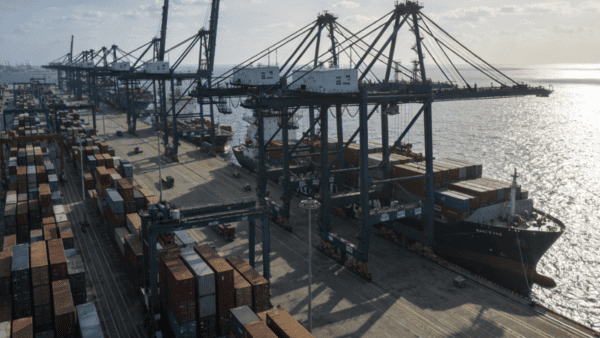
LCL co-loading is a commercial consolidation model that integrates separate shipments from independent logistics providers into one container for centralized carrier contracting and ocean transportation. It serves as one of the commonly adopted approaches to cut freight costs for low-volume, multi-batch cross-border cargo.
How does co-loading differ from conventional multi-consignor consolidation?
Traditional multi-consignor LCL consolidation aggregates cargo from multiple vendors under a single forwarder’s contractual scope. Co-loading, by contrast, relies on horizontal collaboration between autonomous logistics service providers with independent business systems.
This inter-firm cooperation model involves multiple cargo owners, separate booking files, exclusive house bills of lading and inconsistent operational protocols. Such diversified attributes raise the overall operational difficulty and error risk compared with single-party consolidation workflows.
Why do co-loading errors frequently occur in contemporary LCL shipping?
Recurring co-loading errors mainly result from mismatched operational standards, ambiguous liability allocation and inadequate pre-shipment risk assessment among collaborative logistics partners. These latent risks tend to escalate during peak shipping cycles.
What market dynamics worsen co-loading operational risks?
According to UNCTAD 2025 Review of Maritime Transport, global LCL cargo throughput maintains stable year-on-year growth, while inter-forwarder co-loading collaboration volume rises continuously. Expanding market scale leads to relaxed cooperative verification mechanisms and reduced pre-loading due diligence.
Peak-season capacity constraints further amplify risk exposure. Many logistics practitioners prioritize container space utilization and freight expenditure control while neglecting cargo compatibility inspection and standardized stowage sequencing, which substantially raises operational failure probabilities.
What internal operational loopholes trigger co-loading failures?
A common mistake is that operational teams simplify co-loading workflows for long-term collaborative partners, omitting standardized pre-loading auditing and physical cargo inspection procedures. Empirical reliance replaces formal process compliance and accumulates long-term operational hazards.
Forwarders should note that inter-firm co-loading involves multiple independent legal entities. Verbal cooperation agreements cannot supersede formal written operational protocols, and any unregulated procedure may trigger cascading errors for the entire container shipment.
What are the most prevalent and high-cost LCL co-loading errors?
Major co-loading blunders cover cargo compatibility verification, volumetric calculation, documentary coordination and liability confirmation, all of which generate quantifiable economic losses and undermine corporate service credibility.
Unverified mixed stowage of incompatible commodities: Many logistics teams lack systematic compatibility assessment mechanisms and stowage heterogeneous goods in one container. Mixing odor-emitting goods, moisture-prone commodities and sensitive electronic components frequently causes cross-contamination. Per 2025 global cargo claim statistics from Drewry, incompatible mixed stowage accounts for approximately 9.2% of all LCL cargo damage claims worldwide.
Volumetric calculation discrepancies causing container overstowage: Irregular cargo packaging and non-standard manual measurement generate consistent volumetric deviations. Some practitioners fail to follow unified CBM conversion and rounding criteria, resulting in actual cargo volume exceeding reserved container capacity. This issue forces last-minute cargo offloading and rescheduling, disrupting intact shipment schedules.
Undefined liability for cargo shortage or damage: Co-loaded containers carry consignments from multiple forwarders without formal liability division documents. When cargo shortage, damage or loss occurs during terminal handling or ocean transit, collaborative parties often dispute liability confirmation, delaying claim settlement and aggravating client complaints.
Unsynchronized documentary submission triggering customs detention: Different logistics teams demonstrate inconsistent documentary processing efficiency and compliance proficiency. Disordered declaration submission, inconsistent HS code categorization and incomplete certification documents frequently induce customs examinations, leading to port detention and extra terminal handling charges.
Improper stowage sequencing causing fragile cargo damage: Unstructured loading arrangements are prevalent in unregulated co-loading practices. Heavy rigid cargo placed atop lightweight fragile cartons tends to cause extrusion damage. Unsecured cargo also shifts during vessel pitching and rolling, constituting a primary source of LCL transit damage in daily operations.
What real-world cases illustrate typical co-loading operational failures?
Authentic industrial co-loading cases demonstrate the tangible consequences of non-standard operations, delivering practical reference for forwarders to optimize collaborative workflows.
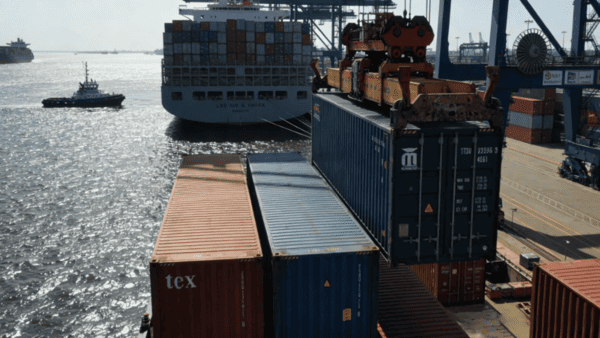
Case 1: Incompatible stowage leading to batch cargo contamination
In Q3 2025, two Asian logistics providers conducted co-loading for a transpacific container shipment bound for the United States. One forwarder arranged dried aquatic products with inherent odor, while the other loaded finished textile goods without prior compatibility auditing.
Upon container discharge at the destination port, all textile consignments were contaminated by persistent odors and failed retail quality inspections. The contaminated cargo required full return shipment and reproduction, generating additional ocean freight, warehousing and cargo replacement costs. The absence of formal pre-loading compatibility records resulted in prolonged inter-firm liability disputes and permanent client loss.
Case 2: Volumetric miscalculation causing peak-season shipment rollover
During the 2025 year-end peak shipping window, three regional forwarders jointly conducted co-loading for an Europe-bound LCL container. Each team adopted independent volumetric calculation standards without unified verification.
The aggregated actual cargo volume exceeded the container’s usable capacity by 8%. Port terminal operators enforced partial cargo offloading prior to vessel departure. Affected by peak-season capacity scarcity, the offloaded cargo failed to secure the original vessel slot and faced a six-day delivery delay, triggering contractual compensation obligations for all involved forwarders.
How to mitigate typical co-loading errors in routine LCL operations?
Standardized pre-shipment auditing, unified collaborative protocols and refined process management effectively reduce co-loading failure rates. Targeted optimization for high-risk links stabilizes overall operational efficiency.
The recommended approach is to establish a full-set co-loading SOP covering cargo vetting, volumetric validation, stowage planning and documentary synchronization for both long-term and ad-hoc collaborative partners.
Formulate unified cargo compatibility vetting protocols: Develop explicit co-loading prohibition lists and commodity matching standards. Conduct one-by-one attribute verification for all inbound co-loading cargo before consolidation. Fully document all inspection results for traceable liability confirmation.
Enforce unified volumetric calculation and double validation: Implement internationally recognized CBM calculation rules and metric conversion standards for all co-loaded shipments. Cross-verify manual measurement data with system-generated figures and reserve 5% to 8% container buffer space to prevent overstowage.
Sign formal liability allocation agreements for co-loading: Confirm cargo ownership, stowage responsibility, damage liability and claim settlement procedures in written form before each co-loading operation. Clarify accountable parties for documentary errors and inspection oversights to avoid post-risk disputes.
Adopt synchronized documentary submission and centralized auditing: Set unified document deadlines and standardized templates for all collaborative forwarders. Arrange dedicated compliance staff to unify HS coding, data calibration and file completeness checks to eliminate customs clearance risks in advance.
Implement scientific container stowage sequencing: Classify cargo by weight, rigidity and fragility. Place heavy pressure-resistant goods at the container bottom and fragile lightweight goods at stable upper corners. Apply professional strapping and dunnage materials to prevent cargo shifting during transit.
What long-term mechanisms stabilize co-loading service performance?
Tactical error correction resolves isolated operational issues, while institutional optimization fundamentally reduces recurring co-loading risks and improves sustained service stability.
Establish structured collaborative partner evaluation mechanisms: Classify cooperative forwarders based on historical operational compliance, error frequency and SOP execution capability. Prioritize collaboration with teams featuring standardized workflows and stable operational performance.
Build categorized error databases for proactive risk warning: Archive all co-loading errors, root causes and disposal results systematically. Conduct regular internal training and case analysis to prevent repeated operational mistakes.
Adopt digital stowage simulation and volumetric tools: Deploy professional freight simulation systems to realize 3D container space modeling and pre-stowage evaluation. Digital tools effectively reduce manual calculation and planning errors caused by empirical limitations.
To conclude, the majority of LCL co-loading failures are controllable operational risks rather than unavoidable market fluctuations. Systematic process iteration, standardized inter-firm collaboration and rigorous pre-shipment auditing based on solid LCL Shipping Experience enable global forwarders to effectively avoid common co-loading blunders, minimize cargo damage and delay losses, and sustain reliable LCL ocean shipping service quality for cross-border clients.

Last
Essential fcl contract shipping experience every junior freight forwarder needs to learn
Practical FCL Shipping Experience in contractual freight operations enables junior freight forwarders to mitigate prevalent operat
Next
Dealing with sea freight export cargo damage complaints from your premium overseas buyers
Sea freight cargo damage handling is a core operational competency for global freight forwarders to mitigate export shipment dispu

