






In cross-border logistics, what freight forwarders dread most is not complex operations, but situations where services are fully delivered yet principals delay or refuse payment with all kinds of “reasons”. Things get even more difficult when a pure trade dispute is pushed onto the logistics side, making it hard for the forwarder to defend its rightful position.
Recently, the platform handled a typical dispute that exposed a common industry trap: “mixed-dispute set-off”, where unrelated issues are tied together to offset logistics fees. This article breaks down the case and offers practical Risk Mitigation guidance for all platform members.
I. Case Review: An Empty-Return Fee Blocked by a “Shortage” Claim
The dispute involved two parties: Operator A (the freight forwarder and claimant) and Principal B (the respondent).
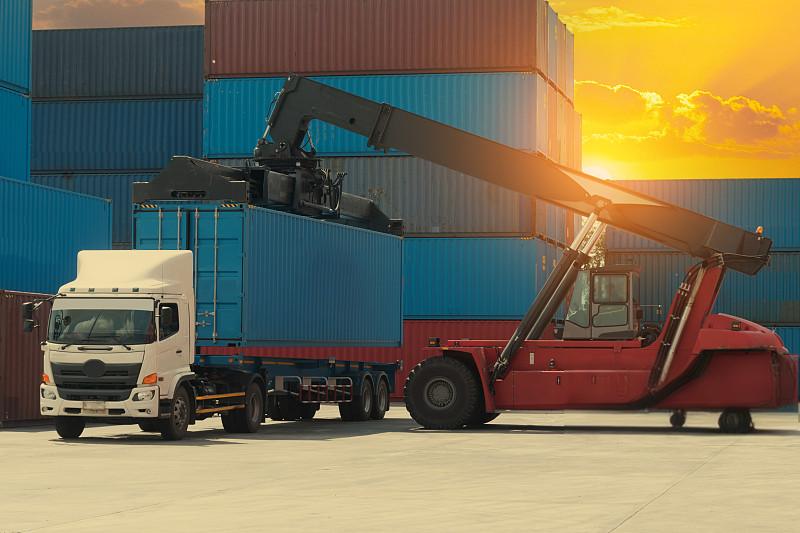
The timeline was straightforward. Based on a quote confirmed in advance, A completed the trucking service on schedule and delivered the container to the factory for loading. However, a sudden system failure at the factory made loading impossible, and the container had to be returned empty. Under the agreed quote, A issued an invoice of USD 1,500 for the empty-return fee, which had also been communicated beforehand. What should have been a routine payment was interrupted when B suddenly changed its stance at the payment stage, saying: “The cargo is 3 tons short upon arrival, so the fee will not be paid for now.”
This is a typical case of “mixed-dispute set-off” in the industry, bundling a trade-side issue that has nothing to do with the logistics service, using it as a reason to delay or refuse payment, and leaving the forwarder stuck chasing receivables.
II. Platform Intervention: Three Key Evidence Points to Clarify Liability
Upon receiving A’s claim, the platform quickly reviewed the evidence submitted by both parties and focused on three key issues to clearly define the liability boundary:
1. Contract Formation Is Clear: “Please go ahead” Constitutes Written Confirmation
The communication between the parties was clear: A submitted a formal quote including inland transport on July 10, and on July 14 B replied, “Please go ahead”. In logistics practice, this reply constitutes written confirmation, locking in both price and service scope. Therefore, A’s claim for the empty-return fee had a solid contractual basis.
2. service Performed Properly: the Empty Return Is Not Attributable to the Freight Forwarder
A’s evidence chain was also complete, including trucking records, a stamped Final Shipping Declaration showing a weight of 22,000 kg, the carrier’s booking confirmation, a draft bill of lading, and photos showing the seal intact. Together, these materials proved that A performed the trucking service as agreed and that no cargo could have gone missing during transport. The empty return was purely caused by the factory’s system failure and unrelated to A’s operations.
3. The Shortage Is a Trade Dispute, the Forwarder Does Not Take the Fall
Regarding B’s claim of a 3-ton shortage, the platform evaluated the issue based on three criteria:
● A operated strictly according to the shipper’s stamped documents, fulfilling its duties as a forwarder.
● The container seal was intact, ruling out any shortage caused during transport.
● The shipment used EXW terms, under which the buyer bears all risks from the moment goods are picked up at the factory.
The conclusion was clear: the shortage was a trade dispute between B and the factory, and had nothing to do with A’s logistics services. B should assert its rights against the factory under the trade contract, rather than withholding logistics fees.
III. Platform Decision: Empty-Return Fee Must Be Paid, Trade Dispute Resolved Separately
Based on the above findings, the platform issued the following decision:
1.Principal B must pay Operator A the USD 1,500 empty-return fee within seven working days.
2.The 3-ton shortage issue shall be handled separately by B in accordance with its trade contract with the factory.
3.Operator A shall provide necessary documentation to assist B in handling the shortage, but bears no liability related to the shortage.
In short, payment for logistics services must be made strictly according to the contract and cannot be arbitrarily withheld due to unrelated trade disputes.
IV. Risk Control Essentials: Five Practical Tips to Avoid Being Dragged into Trade Disputes
This case offers valuable lessons for all freight forwarders. Based on the dispute, the platform summarizes five practical Risk Mitigation tips worth saving:
Tip 1: Always Keep Email Records of Quote Confirmation
Confirm quotes in writing and clearly list service scope, fees, empty-return rules, and liability boundaries. These records become crucial evidence if a dispute arises.
Tip 2: Obtain Stamped Cargo Documents Before Loading
Before loading, request stamped weight certificates and cargo documents from the shipper, such as the packing list and the Final Shipping Declaration. These documents safeguard the forwarder in shortage-related disputes.
Tip 3: Keep Photo and Video Records of Stuffing and Sealing
Take clear photos and videos throughout stuffing and sealing. Visual evidence is especially valuable when empty returns or last-minute cancellations occur.
Tip 4: Explain Incoterm Risk Allocation to Customers in Advance
For EXW, FCA, FOB and similar terms, clearly communicate the risk allocation early: “Weight and quantity are the shipper’s responsibility; we operate strictly based on shipper documents.”
Tip 5: When Facing Non-Payment, Organize the Evidence Chain First
If payment is refused, prepare a full evidence chain including contracts, communications, service records, and visual materials. The platform protects the party that fully performs the contract.
Conclusion: Let Logistics Be Logistics and Trade Be Trade, Don’t Become the “Scapegoat”
This case reaffirms that while cross-border logistics carries risks, clear quote confirmation, complete evidence chains, proper service execution, and proactive communication allow forwarders to stand firm in any dispute. The platform will continue to safeguard members’ rights based on facts and industry standards.
JCtrans has now launched the【 Risk Alerts 】feature. Members are strongly encouraged to use 【Risk Alerts】 before entering any cooperation. Once a company is subscribed, any change in its Member Identity will be reported in real time, helping prevent the loss of Cooperation Risk Protection caused by status changes.

Last
The Most Dangerous Step in FOB Shipments: The Overlooked Pitfall of Delivery Without Original Bills of Lading
In cross-border logistics, long supply chains and multiple stakeholders mean that significant risks often hide in the seemingly si

Next
Freight Cost Dispute in Cross-Border Logistics: A $9,000 Case Reveals Hidden Risk Control Gaps
In cross-border logistics, “silent responses” during fee adjustments often trigger disputes. A recent $9,000 case involving a moto

