



Abandonment of goods is a common risk in international logistics. Through the case-handling process, the JCtrans risk control team has discovered that when overseas buyers refuse to accept shipments, many agents often fail to respond promptly and effectively due to a lack of familiarity with Indian policies. This often results in high port detention fees and even loss of both money and goods. Based on an investigation into the risks of international shipment abandonment, we have compiled several measures to prevent and respond to the high-risk issue of shipment abandonment in India.
1. Risk Warning and Pre-emptive Prevention Prediction of Port Detention Costs
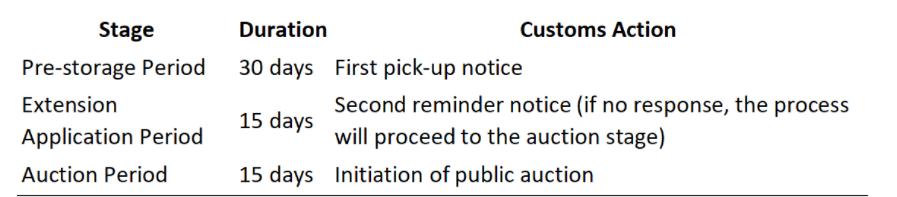
If customs clearance is not completed or the bill of lading is not claimed within 30 days after the shipment arrives at the port, Indian Customs will initiate the auction process. The calculation formula for port detention costs in India is as follows:
Cargo value × 0.8% × number of detention days + 7% of cargo value as auction handling fee
It is recommended to activate a risk warning 14 days after the shipment arrives at the port to avoid the accumulation of detention costs.
Claiming Control over the Bill of Lading
If the consignee delays picking up the goods or making payment, the agent should immediately submit a "Bill of Lading Control Statement" to the shipping company to prevent unauthorized release of the goods and retain control over the cargo. After the Indian Import General Manifest (IGM) is submitted, any changes to the bill of lading information will require a No Objection Certificate (NOC) from the original consignee.
It is recommended to list your own agent information as the "Notify Party" when booking the shipment to facilitate subsequent operations.
2. Response Measures and Operating Procedures
(1) Prioritizing Negotiation and Resale Negotiation Strategy
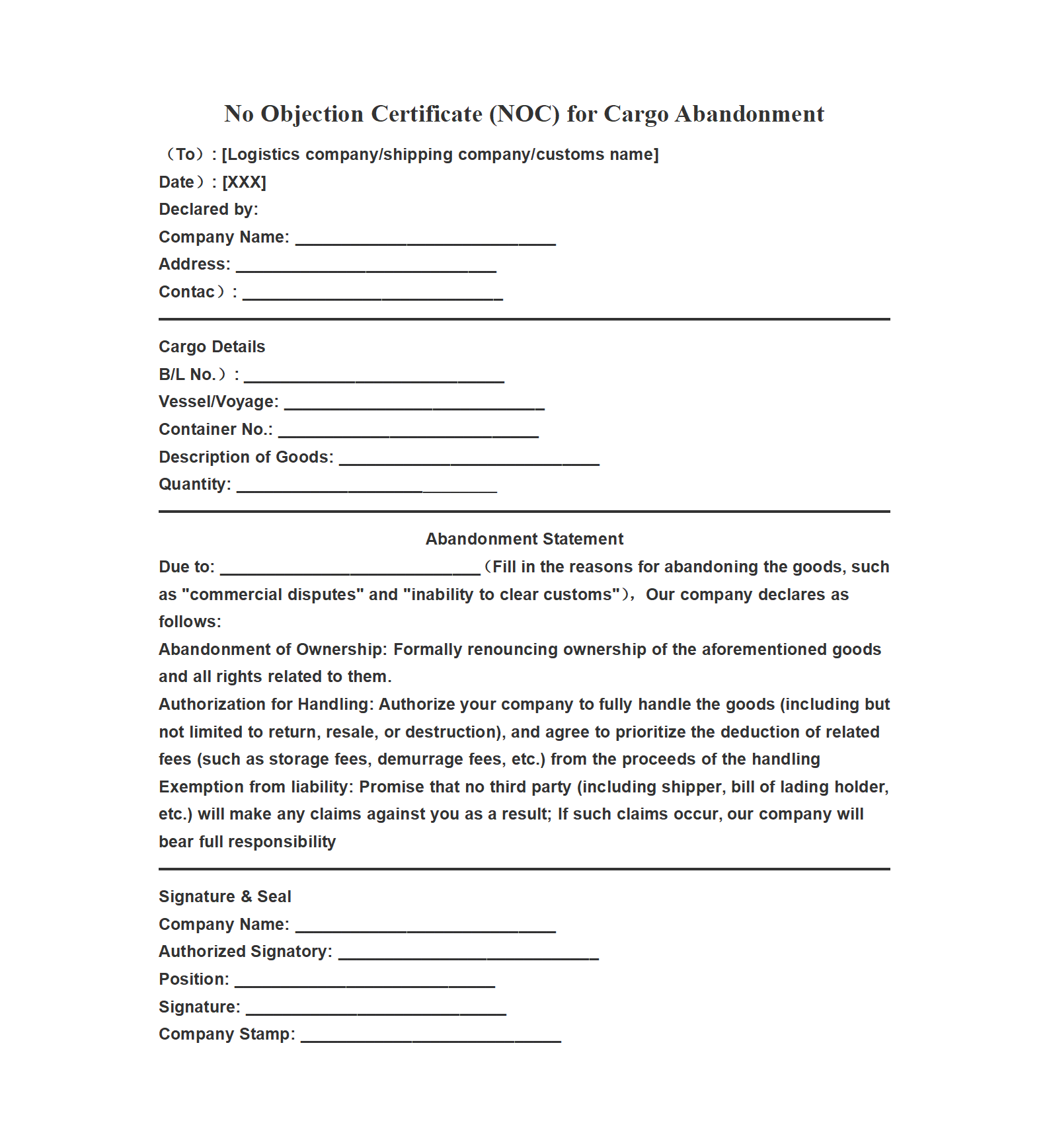
If the consignee abandons the goods, the agent should first communicate with the consignee through the freight forwarder and request a written abandonment statement (NOC) to facilitate resale or re-export.
If the importer proposes "release first, pay later," a supplementary agreement should be signed to specify the payment timeline and breach of contract penalties, ensuring the customs clearance process proceeds quickly.
Fast Resale Channels
If negotiation fails, the agent can attempt to resell the goods at a low price through local e-commerce platforms (such as TikTok India).
Note: Resale requires the original importer’s NOC or a customs abandonment certificate. It is advisable to include an NOC clause in the sales contract as a condition for resale.
(2) Return Shipment Procedures Standard Return Shipment
· Step 1: Obtain the original importer’s NOC document.
· Step 2: Authorize the shipping agent to settle port fees (storage fees, agency fees).
· Step 3: Submit a return letter and bill of lading certificate to process the re-export.
Disputed Return Shipment
If the importer refuses to cooperate, the agent can directly authorize the shipping agent to apply to Indian Customs using the following documents:
· Proof of refusal to claim the shipment from the importer (provided by the bank or shipping agent), which allows exemption from the NOC requirement.
· Record of detention exceeding 30 days.
· Original bill of lading and exporter’s proof of refusal to claim payment.
(3) Response to Customs Auction
Auction Trigger Conditions
Risk of Fee Recovery:
If the auction proceeds are insufficient to cover port detention fees, the shipowner has the right to seek compensation from the shipper and the booking party.
It is recommended that if the cargo value is less than $10,000, the agent should proactively issue an abandonment statement to reduce joint liability. Proceeds from Indian Customs auctions are prioritized as follows:
Shipping company > Freight forwarder > Shipper
Special Situations and Response Strategies:
If the importer requests a return of goods due to quality issues after picking up the goods, an official Indian quality inspection report is required. Additionally, only 80%–90% of the import duty can be refunded.
Case Analysis
Case Background:
Vietnamese agent GOLBON AGENCIES received a consignment of goods valued at $25,000 from Indian agent NEVEK SHIPPING to Chennai Port. After the goods arrived at the port, the Indian client suddenly requested "release first, pay later." The shipper and consignee failed to coordinate the balance payment and port detention fees.
After 30 days, the goods entered the customs auction process due to failure to handle them in time. The costs incurred from the delay, including detention fees, storage fees, auction handling fees, and unpaid shipping and miscellaneous charges, amounted to $13,000.
This case was due to the Vietnamese agent's lack of familiarity with Indian policies and failure to respond to abandonment risks promptly and effectively, resulting in the goods being auctioned off.
Mistakes Analysis:
Failure to initiate a "Bill of Lading Control Statement" within 14 days after arrival, mistakenly assuming that holding the bill of lading was sufficient to control the cargo.
Misjudgment of the auction timeline by Indian Customs, failing to recognize that goods could enter the auction process 30 days after arrival.
Failure to actively coordinate with the seller to resell or re-export the goods in time, resulting in the shipowner pursuing compensation even after the auction.
Platform Reminder: Eliminate risks from the start by precisely controlling every step. Through JCtrans’ Risk Subscription service, you can stay informed of your partner company's risk status in real-time.
Risk Case|Risk Prevention-JCtrans Risk Control Guideline
Last
Compensation Triggered by Incomplete Payment for Air Freight Credit Term; Accurate Payout Following Platform Review
[Risk Case] Compensation Triggered by Incomplete Payment for Air Freight Credit Term; Accurate Payout Following Platform ReviewCas
Next
A Decimal Point That Led to Cargo Detention! Bill of Lading Risks in Brazil
[Case Review]A single decimal point misled customs and caused cargo detention.In March 2025, Japanese logistics company S Company