




What is DDP Trade Term?
DDP, short for Delivered Duty Paid, is an Incoterm that places the maximum obligation on the seller in international trade. Under DDP, the seller is responsible for delivering the goods to the buyer at the agreed-upon destination, including all costs and risks associated with transporting the goods, clearing them through customs at the destination, and paying all duties, taxes, and other charges related to the importation. In essence, the seller takes on the responsibility of ensuring that the goods are available for the buyer at the destination, ready for unloading and further handling.
What are the Core Elements of DDP Trade Term?
Who are the Involved Parties in a DDP Transaction?In a DDP transaction, the two main parties are the seller and the buyer. The seller has a comprehensive set of responsibilities. They are not only responsible for manufacturing or sourcing the goods but also for every aspect of getting the goods to the buyer's specified destination. This includes arranging for transportation, obtaining all necessary export and import licenses, handling customs clearance at both the origin and the destination, and paying all associated fees and taxes. The buyer, on the other hand, has a relatively passive role. Their main responsibility is to take delivery of the goods once they are made available at the destination.
How is Cost Allocated in a DDP Transaction?
What are the Seller's Costs?The seller's costs in a DDP transaction are extensive. They include the cost of the goods themselves, which encompasses production or sourcing expenses, packaging costs to ensure the goods are suitable for long-distance transportation. Transportation costs are a major component, covering inland transportation from the place of origin to the port of shipment, ocean freight or air freight (depending on the mode of transport), and inland transportation from the port of arrival to the final destination. Customs-related costs are also borne by the seller, such as import duties, taxes, and any customs brokerage fees. For example, if a seller in Germany is exporting machinery to a buyer in the United States under DDP terms, they will need to cover the cost of manufacturing the machinery, shipping it across the Atlantic, paying all US import duties, and transporting it to the buyer's designated location in the US. According to industry reports by Maersk, import duties can vary significantly depending on the type of goods, sometimes reaching up to 25% of the value of the goods for certain products.
What are the Buyer's Costs?The buyer's costs in a DDP transaction are relatively limited. They mainly involve any costs associated with unloading the goods at the destination and further handling, such as moving the goods to their final storage or production facility. In some cases, if there are any unforeseen charges due to specific requirements of the goods or local regulations at the destination, the buyer may be responsible for these additional costs. However, these are usually minor compared to the seller's costs.
When Does Risk Transfer in a DDP Transaction?Risk transfer in a DDP transaction occurs when the goods are made available to the buyer at the agreed-upon destination. Until then, the seller bears all risks associated with the goods, including the risk of loss, damage, or delay during transportation, as well as any risks related to customs clearance. For example, if the goods are damaged during transit or there are issues with customs clearance at the destination, the seller is responsible for resolving these problems and ensuring the goods reach the buyer in the agreed-upon condition.
What are the Document Requirements in a DDP Transaction?The seller is required to provide a comprehensive set of documents. A commercial invoice is necessary to state the details of the goods, their value, and the terms of the sale. A bill of lading or airway bill (depending on the mode of transport) serves as evidence of the contract of carriage and receipt of the goods. Additionally, the seller must provide all customs-related documents, such as the import declaration, certificate of origin, and any other documents required by the destination country's customs authorities. These documents need to be accurate and complete to ensure smooth customs clearance. Any discrepancies in the documents can lead to delays or additional costs at the destination.
How is DDP Trade Term Applied in the Real-World?
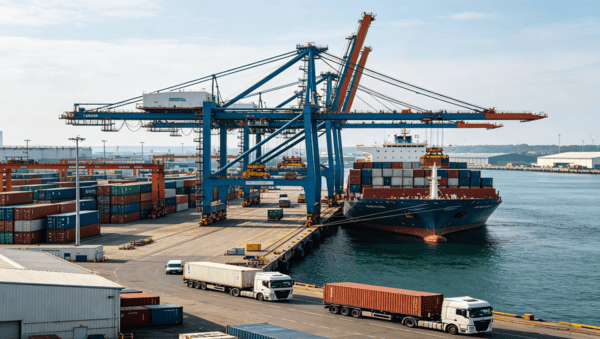
Consider a scenario where a fashion brand in Italy is exporting a large shipment of high-end clothing to a department store chain in Australia. The Italian brand (seller) agrees to sell the clothing under DDP terms. The brand is responsible for manufacturing the clothing, packing it, and arranging for its transportation. They book a shipping container, transport the goods to the port in Italy, and arrange for the export clearance. The goods are then shipped to an Australian port. Once in Australia, the seller takes care of the import clearance, pays the Australian import duties, and arranges for the transportation of the goods to the department store chain's distribution center in Australia. Only when the goods are delivered to the distribution center does the buyer (department store chain) take delivery, with the seller having handled all aspects of getting the goods from Italy to the destination in Australia.
What are the Common Misconceptions about DDP Trade Term?
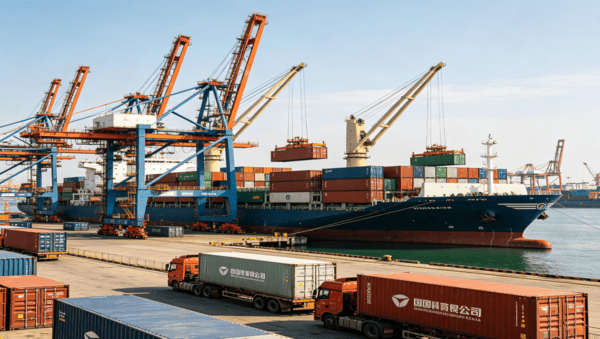
Is the Seller Only Responsible for Transportation to the Port of Destination?A common misunderstanding is that the seller in a DDP transaction is only responsible for transporting the goods to the port of destination. In fact, the seller's responsibility extends to delivering the goods to the agreed-upon destination, which could be an inland location. This includes handling all aspects of transportation, customs clearance, and paying all associated duties and taxes until the goods are made available to the buyer at the final destination. For example, some may think that once the goods reach the port in the destination country, the buyer takes over, but this is not the case under DDP terms.
Can the Seller Pass on Unforeseen Costs to the Buyer?Some may assume that the seller can pass on unforeseen costs to the buyer in a DDP transaction. However, the seller is generally responsible for all costs related to delivering the goods to the destination as agreed. While there may be some extreme cases where the parties have pre-arranged for cost-sharing in case of unforeseen circumstances, in a standard DDP arrangement, the seller has to absorb these costs. For example, if there is a sudden increase in import duties due to a change in regulations at the destination country, the seller is responsible for paying the additional amount.
What is the Step-by-Step Process in a DDP Transaction?
What is the First Step in a DDP Transaction?The first step is the negotiation of the contract between the buyer and the seller. They need to agree on the price, quantity, quality of the goods, and the DDP terms. This includes specifying the exact destination where the goods will be delivered.
What Does the Seller Do After Contract Negotiation?After the contract is negotiated, the seller proceeds to prepare the goods. This involves manufacturing or sourcing the goods, ensuring they meet the quality standards specified in the contract. The seller also needs to package and label the goods appropriately for long-distance transportation.
How Does the Seller Arrange for Transportation and Customs?The seller then arranges for transportation. This includes booking the appropriate mode of transport (sea, air, or land), arranging for inland transportation at both the origin and the destination, and handling all aspects of the shipping process. Simultaneously, the seller has to obtain all necessary export and import licenses and prepare the customs-related documents. They are responsible for clearing the goods through customs at both the origin and the destination and paying all duties, taxes, and other charges.
What Happens at the Destination?When the goods reach the destination, the seller ensures that all customs-related formalities are completed. They arrange for the transportation of the goods to the agreed-upon destination and make the goods available to the buyer. The buyer then takes delivery of the goods. If there are any issues with the goods, such as damage or non-compliance with the contract terms, the buyer can raise a claim against the seller.
What if There are Disputes Regarding the DDP Transaction?In case of disputes, such as a claim for damaged goods or a disagreement over the costs, the parties involved (seller and buyer) may attempt to resolve the issue through negotiation. If negotiation fails, they may resort to arbitration or litigation, depending on the terms of the contract and the applicable laws.
What are the Fees and Costs in a DDP Transaction?
What Costs Does the Seller Bear in a DDP Transaction?The seller's costs are substantial. As mentioned earlier, it includes the cost of goods, transportation costs (inland, ocean/air freight, and inland at the destination), customs-related costs (import duties, taxes, and brokerage fees), and any other costs associated with getting the goods to the destination. For high-value goods or goods with complex customs requirements, these costs can be significant. For example, for luxury goods, import duties can be very high, sometimes up to 50% of the value of the goods, adding a large amount to the seller's expenses.
What Costs Does the Buyer Bear in a DDP Transaction?The buyer's costs mainly include the cost of unloading the goods at the destination and any local handling costs. In some cases, if there are any specific requirements for the goods at the destination that were not foreseen in the contract, the buyer may have to bear these additional costs. However, these costs are usually a small fraction of the total cost of the transaction compared to the seller's costs.
What are the Expert Tips for Dealing with DDP Trade Term?
Why Should Freight Forwarders Understand the DDP Term Thoroughly?Freight forwarders play a crucial role in DDP transactions. A deep understanding of the DDP term enables them to provide accurate advice to their clients. They can help the seller in planning the transportation, choosing the right carriers, and optimizing the costs. For example, they can identify the most cost-effective shipping routes and help the seller navigate the complex customs procedures at the destination. For the buyer, they can assist in understanding their rights and responsibilities, especially in case of any issues with the goods.
Why is Risk Management Important in DDP Transactions?In DDP transactions, risk management is of utmost importance for the seller. Freight forwarders should help the seller identify and mitigate potential risks. This includes risks related to transportation delays, damage to the goods, and changes in customs regulations. By having contingency plans in place, the seller can avoid significant losses. For example, the freight forwarder can recommend appropriate insurance coverage for the goods during transit and keep the seller informed about any changes in customs requirements at the destination.
Why Should Freight Forwarders Ensure Accurate Documentation?Freight forwarders should ensure that all documentation in a DDP transaction is accurate. Any errors in the commercial invoice, bill of lading, or customs-related documents can lead to serious problems. Inaccurate documents can cause delays in customs clearance, resulting in additional costs for the seller. For example, an incorrect description of the goods in the customs documents can lead to disputes with the customs authorities, causing delays and potential fines.
What Role Do Freight Forwarders Play in Cost Optimization?Freight forwarders can play a significant role in cost optimization for the seller in a DDP transaction. They can negotiate better rates with carriers, help the seller choose the most cost-effective mode of transport, and assist in reducing customs-related costs. For example, they can help the seller take advantage of any preferential trade agreements to lower import duties or find ways to optimize the packaging to reduce transportation costs.
Conclusion and Key Takeaways
The DDP trade term is a complex but important concept in international trade, placing a high level of responsibility on the seller. By understanding its core elements, real-world applications, avoiding common misconceptions, following the step-by-step process, and taking expert advice, freight forwarders can better assist their clients in DDP-based trade transactions. Remember, a comprehensive understanding of the DDP trade term is essential for successful international freight forwarding.
Last
EXW Trade Term: A Comprehensive Guide for Freight Forwarders
What is EXW Trade Term?EXW, short for Ex Works, is an Incoterm (International Commercial Term) that represents one of the most bas
Next
CIF Trade Term: Unveiling the Ins and Outs for Freight Forwarders
1. What is CIF Trade Term?The CIF (Cost, Insurance, and Freight) trade term is a fundamental Incoterm used in international trade.

