




For freight forwarders operating in the global logistics landscape, oversized cargo transportation represents one of the most complex and high-stakes challenges. Unlike standard containerized goods, oversized cargo—defined by dimensions or weight that exceed standard shipping limits—demands tailored strategies, meticulous planning, and seamless collaboration across borders, carriers, and regulatory bodies. Mastering the art of designing effective international solutions for these shipments is not just a competitive advantage; it is a necessity to protect client assets, avoid costly delays, and maintain trust in an industry where even small oversights can lead to catastrophic consequences.
The global demand for oversized cargo transportation continues to surge, driven by industries such as renewable energy, heavy manufacturing, infrastructure development, and aerospace. As projects scale up—from wind turbine blades spanning 70 meters to prefabricated bridge segments and industrial boilers—freight forwarders are tasked with navigating a labyrinth of logistical barriers: conflicting international regulations, infrastructure limitations, specialized equipment shortages, and unpredictable supply chain disruptions. This article is designed to guide global freight forwarders through the key challenges of oversized cargo transportation and provide actionable, industry-proven solutions to design seamless, compliant, and cost-effective international shipping strategies.
What Defines Oversized Cargo in International Transportation?
Oversized cargo, also referred to as over-dimensional (OD) or heavy haul cargo, encompasses any shipment that exceeds the standard weight or dimension limits set by transportation authorities, carriers, and infrastructure providers worldwide. While thresholds vary by country, mode of transport, and even regional jurisdictions, a universal baseline exists to help freight forwarders identify when a shipment qualifies as oversized and requires specialized handling.
How Do International Thresholds for Oversized Cargo Vary?
Understanding regional and international size and weight thresholds is critical for freight forwarders to avoid compliance violations, which can result in fines, cargo seizures, or project delays. Freight forwarders should note that these thresholds are not static—they often change with updates to transportation regulations, making it essential to verify requirements for both the origin and destination countries, as well as any transit nations.
According to the International Transport Forum (ITF) 2025 report, the most common global baseline for oversized cargo by road includes shipments exceeding 2.55 meters in width, 4 meters in height, 18 meters in length, or 40 tons in weight. However, regional variations are significant:
European Union (EU): Oversized cargo is defined as any shipment exceeding 2.55m in width, 4m in height, 18.75m in length, or 40 tons in weight. Additional restrictions apply to cross-border shipments, with each member state requiring separate transit permits in line with EU Directive 2015/719.
United States (US): Thresholds vary by state, but the federal baseline (per FMCSA 2025 guidelines) is 8.5 feet (2.59m) in width, 13.5 feet (4.11m) in height, 48-53 feet (14.63-16.15m) in length, and 80,000 pounds (36.29 tons) in weight. States like Texas and California enforce stricter heavy haul limits, with California capping gross vehicle weight at 80,000 pounds for most routes.
China: As outlined by the Ministry of Transport of the People's Republic of China 2025 guidelines (Order No. 2025-03), oversized cargo includes shipments over 2.55m in width, 4m in height, 18.1m in length, or 49 tons in weight. Cross-provincial shipments require joint permits from all regional transport authorities along the route, processed via the National Oversized Cargo Permit Platform.
Southeast Asia: Thresholds are more variable, with Singapore (LTA 2025 regulations) limiting width to 2.5m and height to 4.2m, while Malaysia (JPJ 2025) allows up to 3m in width for certain routes with special heavy haul permits.
A common misconception is assuming that a permit from the origin country will cover transit through other nations. Freight forwarders must obtain country-specific permits for every jurisdiction the cargo passes through, as even minor deviations from local thresholds can lead to detention and fines.
Why Is Oversized Cargo Transportation More Challenging Than Standard Shipping?
Oversized cargo transportation differs fundamentally from standard shipping due to its unique physical constraints, regulatory complexity, and risk profile. Unlike standard containers, which fit into established supply chain processes, oversized shipments require custom solutions at every stage—from packaging and loading to route planning and final delivery.
What Are the Top Logistical Challenges for International Oversized Cargo?
Freight forwarders face a range of interconnected challenges when managing international oversized cargo, each of which can derail a shipment if not addressed proactively. Below are the most common challenges, along with expert insights on how to navigate them:
Regulatory Compliance and Permit Acquisition: The most significant challenge is navigating conflicting international regulations and securing the necessary permits. According to UNCTAD 2025 Global Shipping Report, 40% of oversized cargo delays are caused by permit issues, including incomplete applications, incorrect documentation, or failure to meet local requirements. A recommended practice is to partner with local logistics providers (3PLs) in the origin, destination, and transit countries—these partners have intimate knowledge of local regulations and can expedite permit applications, reducing delays by up to 30%.
Infrastructure Limitations: Roads, bridges, tunnels, and ports are often not designed to accommodate oversized cargo. For example, low bridges, narrow roads, or weight-restricted bridges can force costly detours, while many ports lack the specialized cranes (e.g., heavy lift gantry cranes) or storage space needed for heavy or over-dimensional shipments. Freight forwarders should note that infrastructure assessments must be conducted for the entire route, not just the origin and destination. Using route planning software specifically designed for oversized cargo (e.g., Trimble Heavy Haul) can help identify potential bottlenecks early.
Specialized Equipment Shortages: Oversized cargo requires specialized equipment such as lowboy trailers, modular trailers, heavy-duty cranes, and flatbed containers—all of which are in high demand, especially during peak seasons. According to Freightos 2026 Q1 Baltic Index (FBX) Supplement, the global shortage of modular trailers has increased lead times for oversized shipments by 25% since 2025. A recommended practice is to book equipment at least 4-6 weeks in advance, especially for high-volume periods (e.g., spring and summer for renewable energy projects).
Carrier Reliability: Not all carriers have the expertise or equipment to handle oversized cargo. Choosing an inexperienced carrier can lead to cargo damage, delays, or safety incidents. Freight forwarders should note that carrier selection should be based on experience with similar shipments, not just price. Verify carrier certifications (e.g., IAHLP accreditation, ISO 9001 for heavy haul) and request references from past clients with similar oversized cargo needs.
Weather and Environmental Disruptions: Oversized cargo is more vulnerable to weather conditions than standard shipments, as high winds, heavy rain, or snow can make transportation unsafe or impossible. According to the World Meteorological Organization (WMO) 2025 Climate Report, extreme weather events have increased oversized cargo delays by 18% in the past two years. A recommended practice is to build flexibility into the shipping schedule, with contingency plans for weather-related disruptions, and use real-time weather monitoring tools (e.g., AccuWeather Enterprise) to adjust routes as needed.
What Is the Cost Impact of Poorly Planned Oversized Cargo Transportation?
The cost of poor planning for oversized cargo transportation is substantial, with financial losses extending beyond direct shipping costs. According to Drewry 2026 Q1 Heavy Haul Cost Report, freight forwarders lose an average of $15,000 per oversized shipment due to delays, fines, and cargo damage—with some high-value shipments (e.g., aerospace components, industrial machinery) incurring losses of over $100,000.
Key Cost Drivers for Poorly Planned Shipments
Permit Penalties: Fines for non-compliance can range from $500 to $50,000, depending on the country and severity of the violation. For example, in the EU, transporting oversized cargo without the required permit can result in fines of up to €30,000 per day under EU Regulation 1071/2009.
Detour Costs: Unplanned detours due to infrastructure limitations can increase fuel costs, labor costs, and carrier fees by 20-30%, according to the International Road Transport Union (IRU) 2025 Cost Benchmark.
Cargo Damage: Oversized cargo is often high-value and fragile, with damage rates 3x higher than standard shipments if not properly secured (Freightos 2026 Q1). Repair costs or replacement of damaged goods can erase profit margins entirely.
Client Penalties: Many clients include delay penalties in their contracts, with fees ranging from 1-5% of the total shipment value per day of delay. For large-scale projects (e.g., wind farm development), these penalties can be crippling—often exceeding $10,000 per day for critical components.
A recommended practice is to conduct a comprehensive cost-benefit analysis during the planning phase, including contingency funds (typically 10-15% of total shipment cost) for unexpected expenses. This proactive approach can reduce unplanned costs by up to 40%.
How to Classify Oversized Cargo for Optimal International Shipping Solutions?
Proper classification of oversized cargo is the foundation of effective logistics planning. Classification determines the type of equipment needed, the permits required, the carrier selection, and the overall cost of the shipment. A standardized classification system helps freight forwarders streamline planning and avoid costly mistakes.
What Is the Industry-Standard Classification System for Oversized Cargo?
The International Association of Heavy Lift and Project Logistics (IAHLP) 2025 classification system is widely adopted by global freight forwarders and carriers. This system categorizes oversized cargo based on dimensions, weight, and complexity, with four distinct classes:
Class 1 (Light Oversized): Shipments slightly exceeding standard limits, requiring minimal specialized handling. This includes cargo with dimensions between 14-20m in length, 3.5-4.5m in width, 3-3.8m in height, or 20-100 tons in weight. Examples include small industrial machinery, prefabricated components, and large vehicles. A recommended practice is to use standard flatbed trailers or open-top containers for these shipments, as they do not require heavy-duty equipment.
Class 2 (Medium Oversized): Shipments with more significant size or weight, requiring specialized equipment and additional permits. This includes cargo between 20-30m in length, 4.5-5.5m in width, 3.8-4.4m in height, or 100-200 tons in weight. Examples include wind turbine blades (20-25m), large transformers, and construction cranes. Freight forwarders should note that these shipments require lowboy trailers and coordination with local authorities for route access.
Class 3 (Heavy Oversized): Shipments requiring heavy-duty equipment, detailed route planning, and multiple permits. This includes cargo between 30-40m in length, 5.5-6m in width, 4.4-5m in height, or 200-300 tons in weight. Examples include large bridge segments, industrial boilers, and offshore wind turbine nacelles. A recommended practice is to use modular trailers to distribute weight evenly and hire escort vehicles to ensure safety during transport.
Class 4 (Ultra-Heavy/Ultra-Large): The most complex category, requiring custom equipment, multi-modal transport, and coordination with multiple government agencies. This includes cargo over 40m in length, 6m in width, 5m in height, or 300 tons in weight. Examples include nuclear reactors, large ship components, and full-scale prefabricated buildings. Freight forwarders should note that these shipments often require engineering assessments (e.g., bridge load calculations) to ensure infrastructure safety and may take months to plan.
A common misconception is classifying cargo based solely on weight or size, rather than considering additional factors like fragility, value, or special handling requirements. For example, a fragile Class 2 shipment (e.g., precision medical equipment) may require the same level of care as a Class 3 shipment, including specialized packaging and shock-absorbent materials.

What Permits and Documentation Are Required for International Oversized Cargo Transportation?
Securing the correct permits and documentation is a critical step in international oversized cargo transportation. Without proper documentation, shipments can be delayed, seized, or fined, leading to significant financial losses and damage to client relationships.
What Are the Key Permits for Cross-Border Oversized Cargo?
The permits required vary by country and route, but there are four core permits that freight forwarders must obtain for most international oversized shipments. A recommended practice is to start the permit application process at least 2-4 weeks before the planned shipment date, as some permits can take up to 10 business days to process.
Overweight/Over-Dimensional Permit: This is the most basic permit, required in almost every country for shipments exceeding standard size or weight limits. The permit specifies the allowed route, transport times (usually restricted to non-peak hours), and any additional requirements (e.g., escort vehicles). For example, in the US, a single-trip oversize permit costs between $15-$100, while an annual permit costs up to $600 (FMCSA 2025 fee schedule).
Route Access Permit: Required for shipments traveling through restricted areas, such as urban centers, bridges, tunnels, or sensitive infrastructure (e.g., military bases). This permit often requires a detailed route survey to demonstrate that the cargo can safely pass through without damaging infrastructure. According to the ITF 2025 report, route access permits are the most time-consuming to obtain, with an average processing time of 7-14 days.
Customs Documentation: In addition to standard customs documents (commercial invoice, packing list, bill of lading), oversized cargo requires additional documentation, including detailed cargo specifications (dimensions, weight, weight distribution), technical drawings, and proof of compliance with local safety standards. For EU shipments, freight forwarders must also comply with the ADR (Agreement on the International Carriage of Dangerous Goods by Road) if the cargo is classified as hazardous, in line with UN TDG Regulations.
Escort Vehicle Permit: Many countries require oversized cargo to be accompanied by escort vehicles (e.g., police cars, professional safety vehicles) to alert other drivers and ensure safe passage. The number of escorts required depends on the cargo size and weight—for example, Class 4 shipments in the EU typically require 2 front escorts, 2 rear escorts, and 1 route reconnaissance vehicle (EU Directive 2015/719).
How to Avoid Documentation Errors That Cause Delays?
Documentation errors are a leading cause of delays in oversized cargo transportation. Freight forwarders should note that even small mistakes—such as incorrect dimensions, missing signatures, or outdated permits—can result in cargo being held at borders or ports. A recommended practice is to implement a standardized documentation checklist and work with local partners to verify the accuracy of all documents before the shipment departs.
Key Documentation Best Practices
Verify all cargo dimensions and weight with a certified scale or measuring tool—estimates can lead to permit violations and costly reclassifications.
Ensure all permits are signed, dated, and valid for the entire route, including transit countries—expired permits are a common cause of border detention.
Translate all documentation into the local language of the origin, destination, and transit countries—language barriers are a common cause of miscommunication with customs authorities.
Store digital copies of all permits and documentation in a cloud-based platform (e.g., CargoWise, Descartes), so they can be accessed quickly by customs officials or carriers.
How to Select the Right Carrier and Equipment for Oversized Cargo Transportation?
Selecting the right carrier and equipment is make-or-break for oversized cargo transportation. Unlike standard shipping, where carriers offer commoditized services, oversized cargo requires carriers with specialized expertise, equipment, and a proven track record of success.
What Key Factors Should Freight Forwarders Consider When Selecting a Carrier?
Freight forwarders should evaluate carriers based on four critical factors to ensure they can handle the unique needs of oversized cargo. A common misconception is choosing a carrier based solely on price, which can lead to poor service, delays, or cargo damage.
Specialized Expertise: The carrier must have experience handling oversized cargo of similar size, weight, and type. A recommended practice is to request case studies and references from past clients, especially those with international shipments. Carriers accredited by the IAHLP or other industry organizations are more likely to have the necessary expertise in heavy haul and project logistics.
Equipment Availability: The carrier must have access to the specialized equipment needed for the shipment, including lowboy trailers, modular trailers, heavy-duty cranes, and flatbed containers. Freight forwarders should note that equipment availability varies by season—for example, demand for wind turbine transport equipment peaks in spring and summer, so booking in advance is critical.
Route Knowledge: The carrier must have detailed knowledge of the route, including infrastructure limitations, local regulations, and potential bottlenecks. Carriers with experience in the origin, destination, and transit countries can anticipate challenges (e.g., temporary road closures) and adjust routes proactively.
Insurance Coverage: Oversized cargo is high-value and high-risk, so the carrier must have adequate insurance coverage. A recommended practice is to verify that the carrier’s insurance policy specifically covers oversized cargo, including damage, loss, and third-party liability (minimum coverage of $5 million for Class 3-4 shipments). Freight forwarders should also purchase additional cargo insurance from a reputable provider (e.g., Lloyd’s, AIG) to mitigate residual risk.
How to Mitigate Risks in International Oversized Cargo Transportation?
Oversized cargo transportation is inherently risky, but freight forwarders can mitigate these risks through proactive planning, thorough risk assessment, and effective contingency planning. The goal is to identify potential threats early and implement strategies to minimize their impact.
What Are the Most Common Risks and How to Address Them?
The most common risks in oversized cargo transportation include cargo damage, delays, regulatory violations, infrastructure damage, and carrier failure. Below are actionable strategies to mitigate each risk:
Cargo Damage: Oversized cargo is often fragile and high-value, making damage a major concern. A recommended practice is to use specialized packaging (e.g., shock-absorbent materials, custom crates) and secure the cargo with high-strength binding equipment. Hire a third-party inspector (e.g., SGS, Bureau Veritas) to verify packaging and binding before shipment—this can reduce damage rates by up to 50% (Freightos 2026 Q1). Additionally, use trailers with air suspension to minimize vibration during transport.
Delays: Delays are common in oversized cargo transportation, but they can be minimized with proactive planning. Freight forwarders should note that building a 10-15% contingency buffer into the shipping schedule is essential. Identify alternative routes and carriers in advance, and use real-time GPS tracking to monitor the shipment and address delays early. According to UNCTAD 2025 data, freight forwarders who use real-time tracking reduce delay times by 25%.
Regulatory Violations: Non-compliance can result in fines, cargo seizures, or legal action. A recommended practice is to work with local partners to stay updated on regulatory changes and ensure all permits and documentation are accurate and up-to-date. Conduct a pre-shipment compliance audit to verify that the shipment meets all local requirements for the origin, destination, and transit countries.
Infrastructure Damage: Poorly planned shipments can damage roads, bridges, or tunnels, leading to costly liability claims. Freight forwarders should note that a detailed route survey (including bridge load calculations) is essential to verify infrastructure capacity. Work with local authorities to reinforce or modify infrastructure if needed, and use modular trailers to distribute weight evenly. Avoid transporting during peak hours to reduce traffic congestion and minimize the risk of accidents.
Carrier Failure: Carrier delays, equipment breakdowns, or financial instability can derail a shipment. A recommended practice is to conduct thorough due diligence on carriers, including checking their financial health (via Dun & Bradstreet reports) and track record. Sign a detailed contract with clear terms for delays, damage, and liability, and maintain a list of backup carriers to use in case of emergency.
What Role Does Custom Cargo Insurance Play in Risk Mitigation?
Standard cargo insurance is not sufficient for oversized cargo, as it often excludes high-value, fragile, or over-dimensional shipments. A recommended practice is to work with an insurance provider that specializes in oversized cargo to create a custom policy that covers all potential risks, including damage, loss, delays, and third-party liability.
According to Freightos 2026 Q1 Cargo Insurance Report, freight forwarders who invest in custom oversized cargo insurance reduce their financial risk by 60% compared to those using standard policies.
Key Coverage to Include in a Custom Policy
Damage during loading, unloading, and transport (including vibration and impact damage)
Loss or theft of cargo (including partial loss)
Delay-related costs (e.g., client penalties, storage fees, re-delivery costs)
Third-party liability for infrastructure damage or accidents (minimum $5 million coverage)
How to Design a Seamless End-to-End International Solution for Oversized Cargo?
Designing a seamless end-to-end solution for oversized cargo requires collaboration across all stakeholders—clients, carriers, local partners, and regulatory bodies. The process involves seven key steps, each of which is critical to ensuring a successful shipment.
Step 1: Client Consultation and Cargo Assessment
The first step is to conduct a detailed consultation with the client to understand their needs and assess the cargo. A recommended practice is to visit the client’s facility to inspect the cargo in person, especially for Class 3-4 shipments.
Key Information to Gather
Exact dimensions (length, width, height) and weight, including packaging (verified via certified scale)
Weight distribution (critical for equipment selection and route planning)
Fragility and special handling requirements (e.g., temperature control, shock sensitivity, no tilt)
Origin, destination, and any transit countries (including border crossing points)
Timeline and deadline (including any project dependencies, e.g., construction milestones)
Cargo value (for insurance purposes, verified via commercial invoice)
Freight forwarders should note that incomplete or inaccurate cargo information is a leading cause of planning errors. Ask specific questions to avoid gaps—for example, “Is the cargo sensitive to vibration or temperature changes?” or “Are there any special requirements for delivery (e.g., on-site positioning with precision equipment)?”
Step 2: Route Planning and Survey
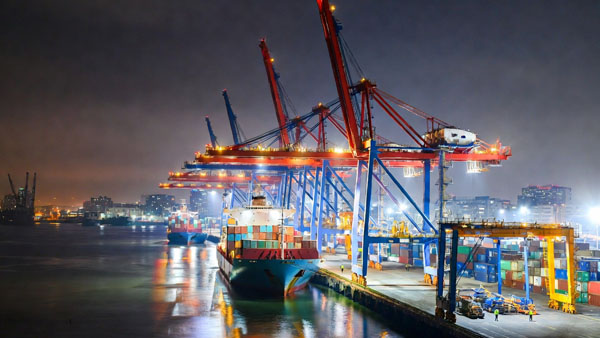
Once the cargo is assessed, the next step is to plan the route. A recommended practice is to use specialized route planning software for oversized cargo (e.g., Trimble Heavy Haul, TomTom Heavy Duty), which can identify potential bottlenecks (e.g., low bridges, narrow roads) and recommend the most efficient, safe route.
Key Elements to Verify During Route Survey
Infrastructure capacity (bridge weight limits, tunnel height, road width, load-bearing capacity of pavements)
Regulatory requirements for each segment of the route (permit needs, transport time restrictions)
Potential delays (e.g., construction, traffic congestion, seasonal weather risks)
Availability of rest stops and loading/unloading facilities (e.g., heavy lift ports, temporary storage yards)
For cross-border shipments, consider border crossing procedures, customs requirements (e.g., inspection points), and language barriers. Identify alternative routes in case of unexpected disruptions (e.g., weather, infrastructure damage).
Step 3: Permit Acquisition and Compliance
As discussed earlier, securing the necessary permits is critical. A recommended practice is to work with local partners in each country along the route to expedite permit applications. Create a compliance checklist to ensure all permits and documentation are in order.
Essential Permits and Documentation
Overweight/over-dimensional permits for all countries (origin, destination, transit)
Route access permits for restricted areas (e.g., urban centers, bridges, tunnels)
Customs documentation (commercial invoice, packing list, bill of lading, technical drawings)
Escort vehicle permits (if required by local regulations)
Insurance certificates (custom oversized cargo policy)
Freight forwarders should note that permits are often valid for a specific route and timeframe, so ensure they align with the shipping schedule. Renew permits in advance if the shipment is delayed to avoid non-compliance.
Step 4: Carrier and Equipment Selection
Based on the cargo assessment and route planning, select the right carrier and equipment. A recommended practice is to obtain quotes from 3-5 specialized carriers and compare them based on expertise, equipment availability, route knowledge, and insurance coverage—not just price. Verify that the carrier has the necessary equipment available on the planned shipment date, and book it in advance to avoid shortages.
Step 5: Loading, Securing, and Pre-Shipment Inspection
Loading and securing the cargo correctly is critical to preventing damage. A recommended practice is to use certified operators and specialized equipment for loading, and ensure the cargo is secured with high-strength binding materials (e.g., chains, straps, buffer pads).
Key Pre-Shipment Inspection Checks
Cargo is properly loaded and secured (binding tension verified via torque wrench)
Packaging is intact and meets special handling requirements (e.g., waterproof, shock-resistant)
Equipment is in good working condition (trailer brakes, tires, crane safety systems inspected)
All permits and documentation are on board (digital and physical copies)
Freight forwarders should note that any damage identified during the pre-shipment inspection should be documented (via photos and reports) and addressed before the shipment departs to avoid liability disputes.
Step 6: In-Transit Monitoring and Communication
Once the shipment is in transit, real-time monitoring is essential. A recommended practice is to use GPS tracking and IoT sensors to monitor the cargo’s location, temperature, and vibration. This allows freight forwarders to identify potential delays or issues early and take corrective action. Maintain regular communication with the carrier, local partners, and the client, providing updates on the shipment’s status at least once per day.
Establish a dedicated communication channel (e.g., email, phone, client portal) to ensure all stakeholders have access to real-time information. If a delay or issue occurs, notify the client immediately and provide a clear plan to resolve it (e.g., alternative route, backup carrier).
Step 7: Delivery, Unloading, and Post-Shipment Follow-Up
Upon arrival at the destination, coordinate with the carrier and client to ensure safe unloading and delivery. A recommended practice is to have a representative on-site to oversee the unloading process, especially for fragile or high-value cargo. Verify that the cargo is in good condition and matches the client’s expectations (via joint inspection with the client).
After delivery, conduct a post-shipment follow-up with the client to gather feedback. Document any issues or lessons learned to improve future shipments. Freight forwarders should note that post-shipment follow-up is critical for building long-term client relationships and identifying areas for process improvement (e.g., equipment upgrades, permit process optimization).
What Emerging Trends Are Shaping International Oversized Cargo Transportation?
The oversized cargo transportation industry is evolving rapidly, driven by technological advancements, regulatory changes, and shifting global trade patterns. Freight forwarders who stay ahead of these trends will be better positioned to meet client needs and remain competitive.
Digitalization and Real-Time Tracking: Digital technologies such as IoT sensors, cloud-based logistics platforms, and AI-powered route planning are transforming oversized cargo transportation. According to FIATA 2025 Digital Logistics Report, freight forwarders who use digital tracking tools reduce delays by 25% and improve client satisfaction by 30%. A recommended practice is to invest in a cloud-based platform that integrates tracking, documentation, and communication to streamline operations.
Growing Demand from Renewable Energy: The global transition to renewable energy is driving a surge in demand for oversized cargo transportation, particularly for wind turbine components, solar panels, and energy storage systems. According to ITC Trade Map 2025 data, global wind turbine component exports increased by 12.3% year-over-year, with China, Germany, and the US as the top exporters. Freight forwarders should note that renewable energy cargo often has strict deadlines and specialized handling requirements (e.g., temperature control for solar panels, no damage to wind turbine blades).
Stricter Environmental Regulations: Governments worldwide are implementing stricter environmental regulations, which are impacting oversized cargo transportation. For example, the EU’s 2025 Carbon Border Adjustment Mechanism (CBAM) requires freight forwarders to report the carbon emissions of their shipments, while China’s 2025 Green Logistics Policy encourages the use of electric or hybrid vehicles for road transport. A recommended practice is to partner with carriers who use eco-friendly equipment (e.g., low-emission trucks, LNG-powered ships) and offer carbon offset options to clients.
Multi-Modal Transport Integration: Oversized cargo often requires multi-modal transport (e.g., road + sea + rail) to reach its destination. Freight forwarders are increasingly integrating these transport modes to improve efficiency and reduce costs. A recommended practice is to build a network of specialized carriers for each transport mode (e.g., heavy haul road carriers, RoRo shipping lines, rail freight operators) and use a single point of contact to coordinate the entire shipment.
Conclusion: Mastering Oversized Cargo Transportation for Global Success
Designing a seamless international solution for oversized cargo transportation is a complex but achievable goal for global freight forwarders. By understanding the unique challenges of oversized cargo, following industry best practices, and leveraging the right tools and partners, freight forwarders can deliver reliable, compliant, and cost-effective solutions that meet client needs and protect their reputation. From proper cargo classification and permit acquisition to carrier selection and risk mitigation, every step of the process requires attention to detail and proactive planning. As the global demand for oversized cargo transportation continues to grow—driven by renewable energy, infrastructure development, and heavy manufacturing—freight forwarders who master these skills will be well-positioned to thrive in a competitive market. Remember, the key to success in oversized cargo transportation is not just moving goods from point A to point B, but delivering peace of mind to clients by ensuring their most complex shipments arrive safely, on time, and within budget. By following the strategies outlined in this article, you can design seamless international solutions that set your freight forwarding business apart and drive long-term success in oversized cargo transportation.
Last
Beyond the Thermometer: Integrating Smart International Solutions into Your Cold Chain and Temperature-Controlled Logistics
In today’s global freight landscape, International Cold Chain Logistics (ICCL) is no longer just about maintaining a set temperatu
Next
Project Logistics Excellence: Ensuring Safe and Efficient Transportation for High-Value Oversized Cargo
In the global supply chain, Oversized Cargo Transportation stands as a critical yet complex segment of project logistics, demandin

