




For global freight forwarders supporting Amazon sellers, accurately predicting and managing FBA First Mile Transit Time is critical to reducing stock-outs, as delays in this phase directly disrupt sellers’ inventory levels and sales performance.
Why Do FBA Stock-Outs Occur, and How Is FBA First Mile Transit Time Linked?
FBA stock-outs happen when a seller’s inventory at Amazon fulfillment centers drops to zero, often due to misaligned supply and demand or delays in replenishment. FBA First Mile Transit Time is a key link because prolonged transit directly delays inventory restocking.
Amazon sellers rely on consistent, predictable FBA First Mile Transit Time to time their replenishment orders with customer demand. When transit time is longer than expected, inventory is depleted before new shipments arrive, leading to stock-outs that harm sales, customer trust, and seller rankings on the platform.
According to ITC Trade Map 2026 preliminary data, FBA sellers experience an average of 4.5 stock-outs per quarter, with 71% of these incidents traced back to delays in FBA First Mile Transit Time. Forwarders should note that stock-outs are not just a seller’s problem—they damage forwarders’ reputations and reduce long-term client retention.
A common mistake is viewing FBA First Mile Transit Time as a standalone metric rather than a critical component of a seller’s inventory management strategy. Many forwarders focus solely on meeting basic delivery deadlines, without considering how transit variability contributes to stock-out risks.
What Factors Make FBA First Mile Transit Time Hard to Predict?
FBA First Mile Transit Time is difficult to predict due to four primary variables: transportation mode variability, external disruptions, documentation errors, and Amazon’s fulfillment center requirements. Each factor introduces uncertainty into transit planning.
How Does Transportation Mode Impact Transit Time Predictability?
Different transportation modes (ocean, air, road) have varying levels of predictability, with ocean freight being the most variable and air freight often more consistent. This variability directly affects the accuracy of FBA First Mile Transit Time forecasts.
According to Freightos 2026 data, ocean freight for FBA shipments has an average transit time variability of 3–6 days, while air freight variability is 1–2 days. For example, ocean shipments from Asia to the U.S. West Coast have a nominal transit time of 18–22 days but often take 23–28 days due to port congestion or weather delays.
Forwarders should note that combining multiple transportation modes (a common strategy for FBA replenishment) can increase predictability challenges. For instance, using ocean freight for bulk inventory and air freight for emergency restocks requires careful coordination to align transit times with seller demand.
What External Disruptions Affect FBA First Mile Transit Time Predictability?
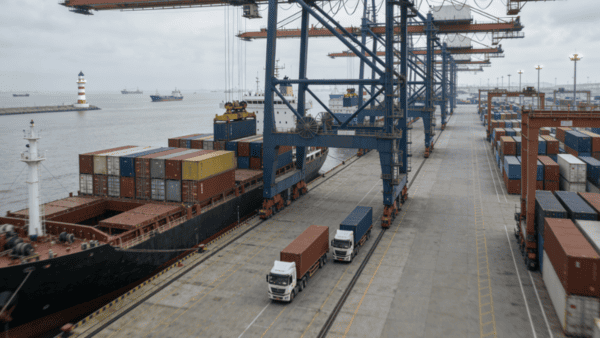
External disruptions—including port congestion, labor strikes, and extreme weather—are unpredictable events that often extend FBA First Mile Transit Time and increase stock-out risks for sellers.
UNCTAD 2026 preliminary data shows that port congestion alone caused an average of 5.2 days of delay for FBA ocean shipments in 2025, with major ports like Los Angeles and Rotterdam experiencing peak congestion periods that extended transit time by up to 11 days. Labor strikes, such as the 2026 port worker strikes in Europe, further disrupted schedules and made transit time forecasts unreliable.
The recommended approach is to monitor real-time disruption data from reliable sources (such as port authorities and Freightos) to adjust transit forecasts proactively. This allows forwarders to notify sellers of potential delays and adjust replenishment timelines to reduce stock-out risks.
How Can Forwarders Improve FBA First Mile Transit Time Predictability?
Forwarders can improve FBA First Mile Transit Time predictability by leveraging data analytics, optimizing carrier partnerships, and implementing proactive risk management strategies. These steps help reduce uncertainty and align transit times with seller inventory needs.
Leverage Historical Transit Data for Forecasting: Analyze historical FBA First Mile Transit Time data for each route, carrier, and transportation mode. The recommended approach is to use this data to identify patterns (such as seasonal delays) and build realistic transit forecasts that account for variability.
Partner with Carriers with Proven FBA Reliability: Collaborate with carriers that have a track record of consistent FBA First Mile Transit Time performance. Forwarders should note that carriers specializing in FBA shipments often have better coordination with Amazon fulfillment centers, reducing last-mile delays.
Implement Real-Time Tracking and Monitoring: Use logistics management software to track FBA shipments in real time, allowing for early detection of delays. This enables forwarders to notify sellers promptly and adjust inventory plans to avoid stock-outs.
Build Buffer Time into Transit Forecasts: Add reasonable buffer time to transit forecasts to account for unexpected disruptions. For ocean freight, a buffer of 3–5 days is often used by forwarders, while air freight may require a 1–2 day buffer to ensure on-time delivery.
Standardize Documentation Processes: Reduce documentation errors, a common cause of transit delays, by implementing standardized digital documentation processes. This includes verifying all FBA-required documents (such as packing lists and labels) before shipment to avoid customs or Amazon rejection delays.
What Strategies Help Forwarders Manage FBA First Mile Transit Time to Reduce Stock-Outs?
Managing FBA First Mile Transit Time effectively requires a combination of proactive planning, seller collaboration, and flexible contingency measures. These strategies help ensure that shipments arrive on time and align with seller inventory needs.
How Can Forwarders Collaborate with Sellers to Align Transit with Inventory Needs?
Collaboration between forwarders and sellers is essential to align FBA First Mile Transit Time with inventory requirements. Open communication about demand forecasts and stock levels helps forwarders prioritize shipments and adjust transit plans.
According to WTO 2026 data, forwarders that maintain regular communication with FBA sellers reduce stock-out incidents by 37% compared to those that do not. This communication should include sharing transit forecasts, updating sellers on potential delays, and discussing replenishment timelines based on current inventory levels.
A common mistake is failing to understand a seller’s specific inventory needs. Forwarders often use a one-size-fits-all approach to transit planning, without considering factors like seasonal demand spikes or product lead times, which can lead to misaligned shipments and stock-outs.
What Contingency Plans Help Mitigate Transit Delays and Stock-Outs?
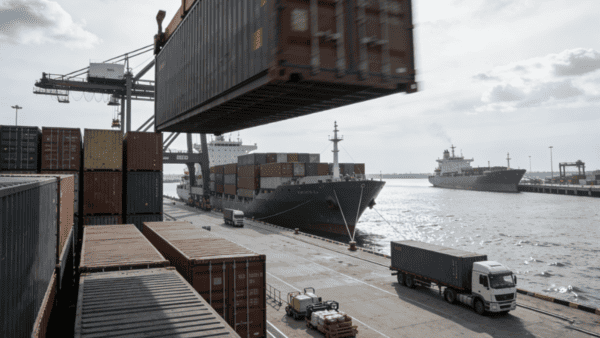
Contingency plans are critical for mitigating the impact of FBA First Mile Transit Time delays on stock-outs. These plans provide alternative routes or transportation modes to ensure timely delivery even when disruptions occur.
The recommended approach is to develop contingency plans for each major FBA route, including alternative carriers, transportation modes, and origin/destination ports. For example, if a primary ocean route experiences port congestion, forwarders can switch to a nearby port or use air freight for urgent shipments.
Forwarders should note that contingency plans should be flexible and regularly updated based on changing market conditions. For instance, during peak seasons (such as Q4 holiday periods), forwarders may need to secure additional carrier capacity or adjust buffer times to account for increased demand and potential delays.
How Does Data Analytics Enhance FBA First Mile Transit Time Management?
Data analytics plays a key role in enhancing FBA First Mile Transit Time management by providing actionable insights into transit patterns, carrier performance, and disruption risks. This data-driven approach helps forwarders make more accurate forecasts and reduce stock-outs.
According to Drewry 2026 data, forwarders that use data analytics to manage FBA First Mile Transit Time improve forecast accuracy by 31% and reduce stock-out-related client complaints by 44%. Analytics tools can track key metrics such as average transit time, delay frequency, and carrier performance, allowing forwarders to identify areas for improvement.
Why Is Real-Time Data Critical for Transit Forecasting?
Real-time data complements historical data to create more accurate FBA First Mile Transit Time forecasts, as it captures ongoing disruptions and changing conditions that historical data cannot reflect.
Forwarders should note that data analytics is not a one-time task but an ongoing process. Regularly analyzing transit data helps identify emerging patterns (such as increasing delays on a specific route) and adjust strategies proactively, rather than reacting to problems after they occur.
A common mistake is relying solely on historical data without incorporating real-time information. While historical data provides valuable context, real-time data on disruptions, carrier performance, and port conditions is essential for making accurate, timely transit forecasts.
How to Adapt to Amazon’s Fulfillment Requirements to Maintain Transit Efficiency?
Amazon’s evolving fulfillment requirements can impact FBA First Mile Transit Time, as non-compliant shipments may be rejected or delayed at fulfillment centers, increasing stock-out risks. Adapting to these requirements is key to maintaining transit efficiency.
In 2026, Amazon updated its FBA requirements to include stricter packaging and labeling standards, as well as pre-appointment delivery mandates for all shipments. According to Amazon’s 2026 FBA Guidelines, non-compliant shipments are delayed by an average of 3–6 days, which can significantly increase stock-out risks for sellers.
The recommended approach is to stay updated on Amazon’s FBA requirements and train teams to ensure compliance. This includes verifying packaging dimensions, label placement, and documentation accuracy before shipment, as well as scheduling delivery appointments with Amazon fulfillment centers in advance.
For global freight forwarders, reducing FBA stock-outs through better prediction and management of FBA First Mile Transit Time is a key differentiator in the competitive FBA logistics market. By understanding the factors that affect transit predictability, leveraging data analytics, collaborating closely with sellers, and implementing proactive contingency plans, forwarders can deliver more reliable service and help sellers avoid costly stock-outs. Ultimately, effective management of FBA First Mile Transit Time not only strengthens forwarders’ client relationships but also positions them as trusted partners in supporting sellers’ long-term success on Amazon. By prioritizing predictability and adaptability, forwarders can turn FBA First Mile Transit Time from a potential risk factor into a competitive advantage, reducing stock-outs and driving mutual growth.
Last
Speed to Market: Why FBA First Mile Transit Time is the Key to E-commerce Success
For global freight forwarders partnering with Amazon sellers, mastering FBA First Mile Transit Time is fundamental to driving e-co
Next
The Impact of Origin Port Efficiency on Your FBA First Mile Transit Time
For global freight forwarders managing FBA shipments, origin port efficiency is a critical factor that directly influences FBA Fir

