




For global freight forwarders focusing on Shipping from China to Australia, mastering Delivered Duty Paid (DDP) services is a key way to enhance client satisfaction and expand market reach. DDP services simplify the shipping process for clients by covering all costs and responsibilities, making them a popular choice in cross-border trade.
What Exactly Is DDP Sea Freight for Shipping from China to Australia?
DDP sea freight, short for Delivered Duty Paid, is an Incoterm where the forwarder or seller assumes full responsibility for transporting goods from China to the buyer’s designated location in Australia, including all taxes, duties, and clearance tasks. This model shifts most risks and obligations away from the buyer to the service provider.
Under DDP terms for Shipping from China to Australia, the forwarder’s responsibilities start with collecting goods from the Chinese supplier and end with delivering them to the Australian buyer’s door. This includes managing export clearance in China, arranging sea freight, handling import clearance in Australia, and paying all associated fees—from export duties to Australian GST and import tariffs.
Forwarders should note that DDP differs significantly from other Incoterms like DDU (Delivered Duty Unpaid), where the buyer bears import duties and clearance risks. For Shipping from China to Australia, DDP is particularly attractive to buyers who lack local expertise or resources to navigate Australia’s complex customs and biosecurity requirements.
Why Is DDP Sea Freight Gaining Popularity for Shipping from China to Australia?
DDP sea freight is growing in popularity for Shipping from China to Australia due to its ability to reduce complexity for buyers, minimize unexpected costs, and streamline the entire shipping process. This is especially true as cross-border trade between China and Australia continues to recover and expand.
According to UN Comtrade 2026 Q1 data, trade volume between China and Australia reached $228 billion, with sea freight accounting for approximately 91% of all goods transported between the two countries. A significant portion of this volume involves small and medium-sized buyers who prefer DDP services to avoid the hassle of customs clearance and duty payments.
The recommended approach is for forwarders to highlight the convenience of DDP when marketing to Australian buyers. Many Australian businesses, particularly those new to importing from China, lack the in-house expertise to handle import duties, GST, and biosecurity compliance—making DDP a valuable solution that sets forwarders apart from competitors.
Another driver of DDP’s popularity is the predictability it offers. With DDP, buyers receive a single, all-inclusive quote, eliminating the risk of unexpected fees that often arise with other Incoterms. For forwarders, this predictability also reduces disputes with clients, as all costs are agreed upon upfront.
What Key Responsibilities Do Forwarders Have in DDP Sea Freight from China to Australia?
Forwarders handling DDP sea freight for Shipping from China to Australia have a range of critical responsibilities that span the entire shipping journey, from export in China to final delivery in Australia. These responsibilities require careful coordination and expertise in both countries’ regulations.
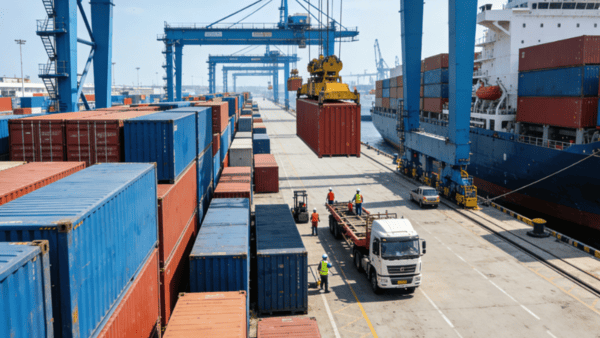
Manage Export Clearance in China: Forwarders must ensure all export documentation is accurate and complete, including commercial invoices, packing lists, and export declarations. They must also comply with Chinese customs regulations, such as verifying the Harmonized System (HS) codes of goods and ensuring no prohibited items are included in the shipment.
Arrange Sea Freight Logistics: This involves selecting reliable ocean carriers, negotiating freight rates, and managing the booking process. Forwarders should also coordinate container loading, ensure cargo is properly secured and stowed, and track the shipment throughout its journey to Australia using advanced tracking systems.
Handle Australian Import Clearance: This is one of the most complex aspects of DDP services for Shipping from China to Australia. Forwarders must prepare and submit all required import documents to the Australian Border Force (ABF), including a Biosecurity Import Declaration (BID) and any necessary permits or certificates.
Pay All Duties and Taxes: Forwarders are responsible for calculating and remitting all import duties, Goods and Services Tax (GST, currently 10% in Australia), and other fees such as biosecurity inspection fees. Accurate calculation is crucial to avoid underpayment, which can lead to penalties, fines, and shipment delays.
Coordinate Final Delivery: Once goods are cleared by Australian customs and biosecurity authorities, forwarders must arrange for local transportation (drayage) to deliver the goods to the buyer’s designated address. This may involve partnering with Australian local logistics providers (3PLs) for last-mile delivery.
What Are the Common Challenges in DDP Sea Freight from China to Australia?
While DDP services offer significant benefits, forwarders face several common challenges when providing DDP sea freight for Shipping from China to Australia, most of which relate to regulatory compliance and cost management.
Navigating Australia’s Biosecurity and Customs Regulations
Australia has strict biosecurity regulations enforced by the Department of Agriculture, Fisheries and Forestry (DAFF), which can pose challenges for DDP forwarders. These regulations require thorough inspection of goods and packaging to prevent the entry of exotic pests and diseases.
A common mistake is underestimating the time and cost required for biosecurity inspections. According to DAFF 2026 Q1 data, approximately 8.2% of containers entering Australia from China require additional biosecurity treatment, which can delay shipments by 3-5 days and add unexpected costs ranging from $380 to $520 AUD per container.
Forwarders should note that non-compliance with DAFF regulations can result in cargo seizure or fines of up to $2.1 million AUD, which can be costly and damage client trust. To mitigate this risk, forwarders should work with experienced local partners in Australia who understand biosecurity requirements.
Accurately Calculating Duties and Taxes
Calculating import duties and GST for Australian imports can be complex, as rates vary depending on the type of goods, their value, and their country of origin. Incorrect calculations can lead to underpayment or overpayment, both of which create problems for forwarders and clients.
According to the Australian Taxation Office (ATO) 2026 guidelines, GST is calculated on the total value of the goods, including the cost of goods, freight, and insurance (CIF value), plus any import duties. Forwarders must ensure they have accurate CIF values and apply the correct duty rates based on HS codes.
The recommended approach is to use reliable duty calculation tools or partner with Australian customs brokers who can provide accurate duty estimates. This helps avoid unexpected costs and ensures the DDP quote is accurate and competitive.
Managing Logistics Delays
Logistics delays are a common challenge in DDP sea freight from China to Australia, often caused by port congestion, biosecurity inspections, or documentation errors. These delays can impact client satisfaction and lead to additional costs such as storage fees.
According to Drewry 2026 Q1 data, average port congestion in Australian major ports (including Sydney, Melbourne, and Brisbane) increased by 14% compared to 2025, leading to average delays of 2-4 days for container shipments. Forwarders must factor these potential delays into their DDP service timelines and communicate them clearly to clients.
How Can Forwarders Overcome DDP Challenges for Shipping from China to Australia?
Forwarders can overcome the common challenges of DDP sea freight from China to Australia by implementing proactive strategies, leveraging local expertise, and investing in reliable tools and processes.
Partner with Local Australian Brokers and Logistics Providers: Working with licensed Australian customs brokers and local 3PLs can help forwarders navigate complex biosecurity and customs regulations. These partners have in-depth knowledge of local requirements and can handle clearance and delivery efficiently.
Invest in Documentation and Duty Calculation Tools: Using digital tools to manage documentation and calculate duties can reduce errors and streamline processes. Many forwarders use cloud-based logistics software that integrates with Australian Border Force (ABF) systems to ensure accurate and timely submissions.
Conduct Thorough Pre-Shipment Inspections: To avoid biosecurity delays, forwarders should arrange pre-shipment inspections (PSI) of goods and packaging. This includes checking for soil, plant debris, or other prohibited materials that could trigger DAFF inspections.
Communicate Transparently with Clients: Transparent communication about timelines, costs, and potential risks is essential for successful DDP services. Forwarders should provide clients with detailed quotes, regular shipment updates, and clear explanations of any additional fees that may arise.
Train Staff on DDP Best Practices and Regulations: Ensuring staff are trained on DDP requirements, Australian customs and biosecurity regulations, and duty calculation methods is crucial. Regular training updates help staff stay informed about changes in regulations that may impact DDP services.
What Are the Key Considerations for Pricing DDP Sea Freight Services?
Pricing DDP sea freight services for Shipping from China to Australia requires careful consideration of multiple cost factors to ensure profitability while remaining competitive in the market.
Break Down All Cost Components
Forwarders should note that DDP pricing must include all costs associated with the shipment, including sea freight rates, export clearance fees, import duties, GST, biosecurity inspection fees, local delivery costs, and any additional fees such as storage or treatment fees. Failing to include all costs can lead to reduced profitability or unexpected losses.
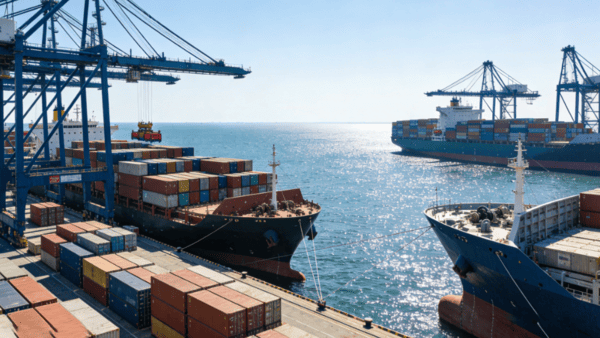
Account for Freight Rate Fluctuations
According to Freightos Baltic Index (FBX) 2026 Q1 data, average sea freight rates from China to Australia (Shanghai to Sydney) ranged from $890 to $1,150 per 20ft container, a 7% increase compared to 2025. Forwarders must factor these rate fluctuations into their pricing to avoid underquoting, especially during peak shipping seasons.
Adopt a Transparent Pricing Model
The recommended approach is to use a cost-plus pricing model, where the forwarder calculates all actual costs and adds a reasonable margin. This ensures transparency and profitability while allowing forwarders to remain competitive. Forwarders should also regularly review their pricing to account for changes in freight rates, duties, and fees.
How Can Forwarders Differentiate Their DDP Services in the China-Australia Market?
With the growing demand for DDP services for Shipping from China to Australia, forwarders need to differentiate their offerings to stand out from competitors and attract new clients.
Offer Value-Added Services
One effective way to differentiate is by offering value-added services such as real-time shipment tracking (via GPS or cloud-based platforms), dedicated client support teams, and customized solutions for specific industries (e.g., agricultural goods, electronics, machinery). Many forwarders also offer cargo insurance options to protect clients’ goods throughout the shipping process.
Emphasize Compliance Expertise
Another differentiation strategy is to emphasize compliance expertise. Forwarders who can demonstrate a strong track record of navigating Australia’s biosecurity and customs regulations are more likely to attract clients who prioritize reliability and compliance. Sharing case studies of successful DDP shipments (without using false user testimonials) can help build trust with potential clients.
Focus on Long-Term Client Relationships
Forwarders should also focus on building long-term relationships with clients by providing consistent, high-quality service. This includes meeting delivery timelines, resolving issues promptly, and keeping clients informed throughout the shipping process. Repeat clients are often the most valuable, as they generate steady business and referrals.
Mastering DDP services for Shipping from China to Australia is a strategic move for global freight forwarders looking to capitalize on the growing trade between the two countries. By understanding the key responsibilities, overcoming common challenges, pricing services accurately, and differentiating their offerings, forwarders can provide exceptional DDP services that meet client needs and drive business growth. As trade volumes continue to rise, forwarders who excel at DDP services will be well-positioned to succeed in the competitive China-Australia sea freight market.
Last
Emerging Markets: Managing the Ocean Freight Cost for Cargo Moving from China to Africa
As China maintains its status as Africa’s largest trading partner for 16 consecutive years, the Ocean Freight Cost from China to A
Next
From Shanghai to Sydney: Analyzing Transit Time Variations for Australia-Bound Sea Cargo
For global freight forwarders managing Shipping from China to Australia, understanding transit time variations between Shanghai an

