




In the dynamic landscape of global trade, a well-designed Guangzhou to Dubai Logistics Solution is essential for forwarders seeking to streamline operations, reduce costs, and meet client expectations. As two pivotal hubs in Asia-Middle East trade, Guangzhou and Dubai demand logistics strategies that address unique geographical, regulatory, and market challenges.
What Defines a Robust Guangzhou to Dubai Logistics Solution?
A robust Guangzhou to Dubai Logistics Solution is a comprehensive, flexible strategy that integrates transportation, customs clearance, warehousing, and end-to-end tracking to ensure timely, cost-effective, and compliant delivery of goods between the two cities. It adapts to market fluctuations and addresses the specific needs of different cargo types.
Forwarders should note that a robust solution is not a one-size-fits-all offering but a tailored framework that aligns with the cargo’s nature, client deadlines, and budget constraints. With Guangzhou’s position as a manufacturing and export hub in Southern China and Dubai as a gateway to the Middle East, Africa, and Europe, the solution must bridge these two markets seamlessly.
According to UN Comtrade 2025 preliminary data, trade volume between China and the UAE (with Dubai as the primary hub) reached $72.3 billion, an 8.0% year-on-year increase, highlighting the growing demand for reliable logistics solutions connecting these regions. This growth underscores the need for forwarders to invest in strategies that can handle increasing cargo volumes while maintaining efficiency.
Why Do Forwarders Need a Tailored Approach for Guangzhou to Dubai Trade?
Forwarders need a tailored approach for Guangzhou to Dubai trade because the route presents unique challenges, including varying regulatory requirements, geopolitical influences on shipping routes, and diverse cargo demands that generic logistics solutions fail to address effectively.
A common mistake is assuming that standard Asia-Middle East logistics strategies can be directly applied to the Guangzhou-Dubai route. Unlike other trade lanes, this route involves specific considerations such as Dubai’s strict customs regulations, Guangzhou’s diverse export sectors (electronics, furniture, machinery), and the impact of regional geopolitical tensions on shipping routes.
How Global Maritime Trends Impact the Guangzhou-Dubai Route
UNCTAD’s 2025 Maritime Transport Review reports that global maritime trade is expected to grow by only 0.5% in 2025, the slowest rate in recent years, due to geopolitical tensions and trade policy uncertainties. For forwarders operating on the Guangzhou-Dubai route, this means competition is intensifying, and a tailored solution is key to standing out by delivering consistent, reliable service.
Additionally, Dubai’s role as a transshipment hub means that cargo from Guangzhou often needs to be routed efficiently to other Middle Eastern or African destinations, requiring a solution that includes seamless transshipment coordination. Without a tailored approach, forwarders risk delays, increased costs, and non-compliance with local regulations.
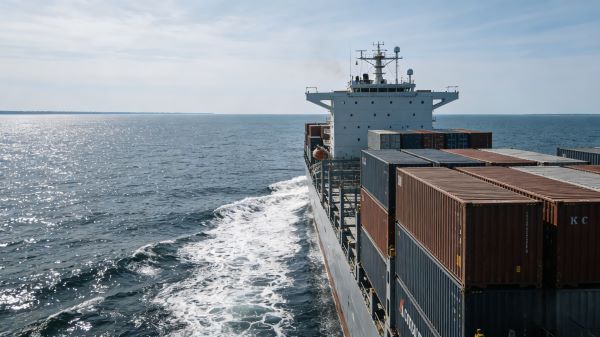
How to Choose the Right Transportation Mode for Guangzhou to Dubai Shipments?
Choosing the right transportation mode is a critical step in crafting a Guangzhou to Dubai Logistics Solution, as it directly impacts cost, delivery time, and cargo safety. The primary options include sea freight, air freight, and multimodal transport, each with distinct advantages and use cases.
Sea Freight: Often used by forwarders for large-volume, non-urgent cargo, sea freight is the most cost-effective option for Guangzhou to Dubai shipments. Key routes include direct sailings from Guangzhou’s Nansha and Huangpu ports to Dubai’s Jebel Ali Port, with 3-5 fixed sailings per week and a transit time of 13-25 days depending on whether it’s a direct or less than container load (LCL) shipment. According to the Guangzhou Port official website 2025 Q1 data, Nansha Port handled over 4.5 million TEUs in Q1 2025, with direct connections to Jebel Ali Port accounting for 13.2% of its total throughput.
Air Freight: Suitable for high-value, urgent cargo, air freight from Guangzhou Baiyun Airport to Dubai’s DXB or DWC airports offers transit times of 4-7 days, with daily direct flights operated by China Southern Airlines (CZ) and Emirates (EK). The Freightos Baltic Index (FBX) Q2 2025 data shows that air freight rates from Guangzhou to Dubai ranged from $2.6 to $3.5 per kg, with volume discounts available for shipments over 1000kg.
Multimodal Transport: A hybrid approach that combines sea and air freight, or sea/air with land transport, multimodal transport is ideal for forwarders looking to balance cost and speed. For example, sea freight to Jebel Ali Port followed by land transport to other UAE emirates (Abu Dhabi, Sharjah) is a common strategy for reaching broader markets in the region.
The recommended approach is to evaluate each shipment’s specific requirements—including cargo volume, value, deadline, and destination within Dubai or the broader UAE—and select the transportation mode that aligns with those needs. Forwarders should also consider factors such as seasonal demand fluctuations, which can impact both capacity and rates.
What Compliance Considerations Are Critical for Guangzhou to Dubai Logistics?
Compliance considerations are critical for Guangzhou to Dubai Logistics because both China and the UAE have strict regulations governing exports, imports, and customs clearance, and non-compliance can lead to delays, fines, or cargo seizure.
Dubai’s Customs and Regulatory Requirements
Forwarders should note that Dubai’s customs regulations require accurate documentation, including commercial invoices, packing lists, and certificates of origin, as well as compliance with VAT (5%) and specific product restrictions. For example, electronics require SASO (Saudi Arabian Standards Organization) certification for market access, while textiles are subject to a 12% tariff, as noted in the UAE Federal Customs Authority’s 2025 guidelines.
China’s Export Compliance for Guangzhou Shipments
On the Guangzhou side, compliance with China’s export regulations—including proper declaration of goods, adherence to export control lists, and accurate HS (Harmonized System) code classification—is essential. A common mistake is misclassifying cargo, which can lead to delays in export clearance and additional costs.
According to the WTO 2025 Trade Policy Review, trade policy uncertainties, including changing tariff regulations, are a major challenge for global forwarders. For the Guangzhou-Dubai route, this means staying updated on changes to both Chinese and UAE regulations, such as adjustments to tariff rates or product restrictions, to ensure compliance and avoid disruptions.
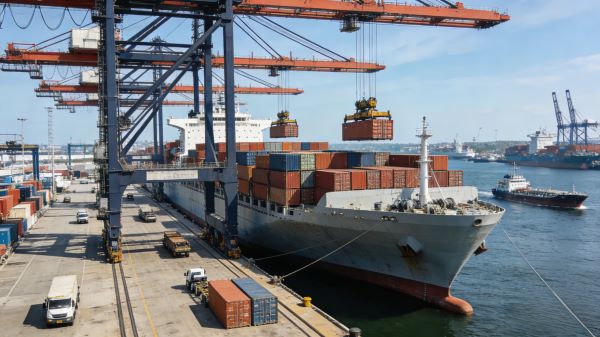
How to Optimize Cost and Efficiency in Guangzhou to Dubai Logistics?
Optimizing cost and efficiency in Guangzhou to Dubai Logistics involves strategic planning, leveraging technology, and building strong partnerships with local service providers to reduce waste, minimize delays, and lower operational costs.
Leverage Consolidation Services: For LCL shipments, consolidating cargo from multiple clients can reduce per-unit costs significantly. Many forwarders use this strategy to maximize container utilization and pass savings on to clients, while also ensuring faster transit times by avoiding long wait times for full container loads (FCL).
Invest in Digital Tracking Tools: Implementing real-time tracking systems allows forwarders to monitor cargo throughout the entire journey, from Guangzhou’s warehouses to Dubai’s delivery points. This visibility helps identify potential delays early and allows for proactive problem-solving, reducing the risk of costly disruptions.
Build Local Partnerships: Partnering with reliable local logistics providers in both Guangzhou and Dubai can streamline customs clearance, warehousing, and last-mile delivery. Local partners have in-depth knowledge of regional regulations and market conditions, which can help forwarders navigate challenges more efficiently.
Monitor Rate Fluctuations: Keeping track of freight rate trends using sources like Drewry and the Shanghai Shipping Exchange can help forwarders secure competitive rates. Drewry’s May 2025 data shows that container rates from Asia to the Middle East have declined by 9% since the start of the year, presenting opportunities for forwarders to negotiate better terms with carriers.
The recommended approach is to adopt a data-driven strategy, using historical shipment data and market trends to make informed decisions about transportation modes, consolidation, and partner selection. By focusing on efficiency and cost optimization, forwarders can enhance their competitiveness in the Guangzhou-Dubai trade lane.
What Role Does Risk Management Play in a Guangzhou to Dubai Logistics Solution?
Risk management plays a vital role in a Guangzhou to Dubai Logistics Solution by identifying and mitigating potential disruptions, such as geopolitical tensions, port congestion, cargo damage, or regulatory changes, that could impact shipment timelines and costs.
Geopolitical Risks and Route Disruptions
Forwarders should note that the Guangzhou-Dubai route is affected by geopolitical tensions in the Middle East, including the ongoing Red Sea crisis, which has led to route diversions and increased transit times. According to UNCTAD 2025 Q2 data, the Red Sea crisis has caused a 65% drop in the number of ships passing through the Suez Canal, forcing many vessels to divert around the Cape of Good Hope, which adds 10-14 additional days to transit times.
Port Congestion and Cargo Safety Risks
A common mistake is underestimating the impact of port congestion, particularly at Jebel Ali Port, which is one of the busiest transshipment ports in the world. To mitigate this risk, forwarders can schedule shipments during off-peak periods or work with carriers that have priority access to port facilities.
Another key risk is cargo damage or loss, which can be mitigated by using proper packaging (such as anti-static packaging for electronics or shock-absorbent materials for fragile goods) and purchasing adequate cargo insurance. Many forwarders also implement GPS tracking to monitor cargo safety throughout the journey.
In today’s uncertain trade environment, a robust risk management strategy is not just a safeguard—it is a competitive advantage. Forwarders that proactively identify and mitigate risks are better positioned to deliver consistent service and build long-term client trust.
Crafting a robust Guangzhou to Dubai Logistics Solution requires a deep understanding of the route’s unique challenges, compliance requirements, and market dynamics. By adopting a tailored approach, choosing the right transportation mode, prioritizing compliance, optimizing cost and efficiency, and implementing effective risk management, forwarders can navigate this important trade lane successfully. Whether handling large-volume sea freight or urgent air cargo, a well-designed solution ensures seamless trade between Guangzhou and Dubai, supporting the growing economic ties between these two global hubs and helping forwarders stay competitive in a challenging market. Ultimately, a thoughtful Guangzhou to Dubai Logistics Solution is the foundation for long-term success in Asia-Middle East trade.
Last
Cost Optimization for Long-Haul Sea Freight from China to Brazil
Long-haul sea freight involves complex cost structures, and Shipping from China to Brazil is no exception. For global freight forw
Next
How China to Saudi Arabia Sea Freight is Reshaping Global Logistics
In the evolving landscape of global trade, Shipping from China to Saudi Arabia has emerged as a pivotal link, driving significant

