




As bilateral trade between China and Mexico continues to flourish, the demand for reliable Shipping from China to Mexico has surged, driving significant expansions in sea freight capacity that forwarders can leverage to enhance service quality and competitiveness.
What Is Sea Freight Capacity Expansion for Shipping from China to Mexico?
Sea freight capacity expansion for Shipping from China to Mexico refers to the growth in available container slots, vessel frequency, and route options between Chinese and Mexican ports. This expansion is driven by rising trade demand and strategic investments by shipping lines.
According to UNCTAD 2025 data, the total sea freight capacity on routes connecting China to Latin America, including Mexico, increased by 15.2% year-on-year in 2024, with Mexico accounting for 32% of that growth. This expansion is not just about more vessels but also about larger ships and optimized route networks.
Forwarders should note that capacity expansion is not uniform across all ports or shipping lines. Some routes, particularly those connecting major Chinese hubs like Shanghai and Qingdao to Mexican ports such as Manzanillo, have seen more significant growth than others, reflecting regional trade patterns.
Why Has Sea Freight Capacity from China to Mexico Increased in Recent Years?
The recent increase in sea freight capacity from China to Mexico is primarily fueled by growing bilateral trade, manufacturing shifts, and strategic investments by shipping lines to meet rising demand for reliable cargo transport.
Bilateral trade between China and Mexico has grown steadily, with Mexico exporting $10.87 billion worth of goods to China in the first 10 months of 2025, according to UN Comtrade 2025 preliminary data. This trade volume growth has directly translated into higher demand for sea freight services, prompting shipping lines to add more capacity.
Another key driver is the shift in global manufacturing, with many companies relocating production to Mexico to access North American markets under the USMCA framework. This shift has increased the need for raw materials and components imported from China, further boosting demand for Shipping from China to Mexico.
Additionally, shipping lines have made strategic investments in route expansion. For example, COSCO Shipping and OOCL launched a new direct route in Q1 2025, connecting Qingdao and Shanghai to Ensenada and Manzanillo in Mexico, with 7 vessels providing weekly services and a maximum capacity of 4,250 TEUs per ship, as confirmed by the official COSCO Shipping route announcement in March 2025.
How Can Forwarders Identify Reliable Capacity Sources for Shipping from China to Mexico?
Identifying reliable capacity sources involves evaluating shipping lines’ route networks, vessel frequency, equipment availability, and track records of on-time performance for Shipping from China to Mexico.
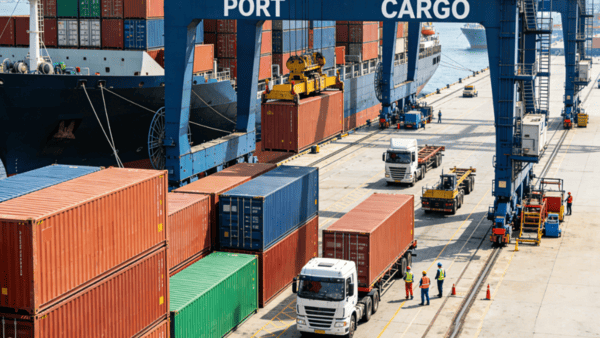
Evaluate Shipping Line Route Coverage: Prioritize shipping lines that offer direct routes between Chinese and Mexican ports, as these routes often have more stable capacity and shorter transit times. Lines with direct services from Shanghai, Ningbo, and Qingdao to Manzanillo and Lazaro Cardenas are often preferred by forwarders.
Check Vessel Frequency and Capacity: Look for lines that provide weekly or bi-weekly services, as this ensures consistent capacity availability. According to 2025 Q3 port data from Manzanillo Port Authority, direct routes from China now offer an average of 8-10 vessels per month, with each vessel carrying 3,500-4,500 TEUs.
Assess Equipment Availability: Ensure the shipping line has sufficient container equipment (20ft, 40ft, and high-cube containers) available in Chinese ports to meet your clients’ needs. Shortages in equipment can lead to delays even when overall capacity is high.
Review On-Time Performance: Research the shipping line’s on-time performance (OTP) for routes to Mexico. According to Drewry’s 2025 Q2 Global Shipping Performance Index, the average OTP for direct Shipping from China to Mexico was 80% in Q2 2025, with top lines achieving rates above 86%.
Verify Partnerships with Local Agents: Choose shipping lines that have established partnerships with reliable local agents in Mexico. These agents can assist with customs clearance, port handling, and last-mile delivery, ensuring a smooth end-to-end service.
A common mistake is prioritizing capacity quantity over reliability. Some lines may offer large capacity but have poor on-time performance or limited local support, which can lead to delays and client dissatisfaction. The recommended approach is to balance capacity availability with service quality when selecting a shipping line partner.
What Strategies Can Forwarders Use to Leverage Increased Capacity Effectively?
Effective strategies for leveraging increased capacity include optimizing cargo consolidation, negotiating favorable rates, offering flexible service options, and aligning capacity with client demand for Shipping from China to Mexico.
Optimize Cargo Consolidation: Use the increased capacity to consolidate smaller shipments into full containers (FCL), reducing per-unit shipping costs. Forwarders can combine cargo from multiple clients heading to the same Mexican region to maximize container utilization.
Negotiate Favorable Rates: With more capacity available, shipping lines are often willing to negotiate competitive rates for long-term or high-volume contracts. Forwarders should leverage their cargo volume to secure better pricing, which can be passed on to clients or improve profit margins.
Offer Flexible Service Options: Use the expanded route network to offer clients more flexible options, such as different transit times or port destinations. For example, some clients may prefer faster direct routes, while others may prioritize lower costs with transshipment options via Panama Canal.
Align Capacity with Client Demand: Analyze client demand patterns to allocate capacity effectively. For seasonal industries (e.g., electronics, apparel), forwarders should reserve capacity in advance during peak periods to avoid shortages.
Invest in Digital Tools: Use digital platforms to track capacity availability in real time, compare rates across shipping lines, and manage bookings efficiently. This helps forwarders respond quickly to changes in capacity and client needs.
Forwarders should note that leveraging capacity effectively requires proactive planning. Waiting until peak seasons to secure capacity can lead to higher rates or unavailability, even with overall capacity expansion. The recommended approach is to develop a long-term capacity planning strategy that aligns with both current and projected client demand.
What Challenges Come with Increased Sea Freight Capacity, and How to Mitigate Them?
Increased sea freight capacity brings challenges such as rate volatility, port congestion, and equipment imbalances, which forwarders must address to fully benefit from the expanded services for Shipping from China to Mexico.
Managing Rate Volatility
While increased capacity can lead to lower rates, it also creates more volatility as shipping lines compete for cargo. According to the Freightos Baltic Index (FBX) 2025 Q2 data, rates for Shipping from China to Mexico fluctuated by an average of 11% per quarter in the first half of 2025, making it difficult for forwarders to set consistent pricing for clients.
To mitigate this, forwarders can negotiate fixed-rate contracts with shipping lines for long-term clients, providing price stability. They can also use rate forecasting tools to anticipate market changes and adjust pricing strategies accordingly.
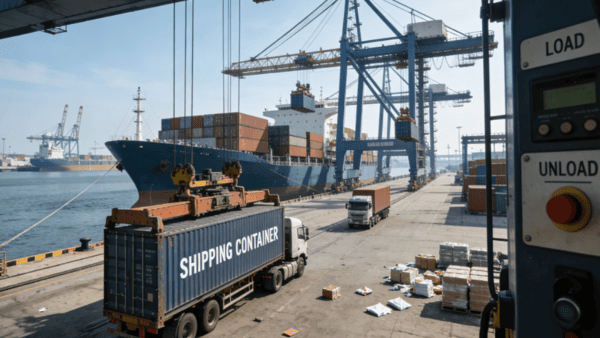
Addressing Port Congestion
Increased vessel arrivals and cargo volumes can lead to port congestion in both China and Mexico, causing delays in loading and unloading. According to Manzanillo Port’s 2025 Q2 operational report, average berthing delays increased by 7% in Q2 2025 compared to Q1, due to higher cargo volumes and ongoing port infrastructure upgrades.
The recommended approach is to work with shipping lines that have priority berthing rights or partnerships with port authorities. Forwarders can also schedule shipments during off-peak hours or use alternative ports like Lazaro Cardenas to avoid congestion.
Resolving Equipment Imbalances
Capacity expansion can sometimes lead to equipment imbalances, with more containers arriving in Mexico than being exported back to China. This can result in equipment shortages in Chinese ports, delaying shipments.
Forwarders can mitigate this by encouraging clients to use repositioned containers (repos) or partnering with shipping lines that have effective container repositioning strategies. They can also diversify their equipment sources to avoid relying on a single shipping line.
How Does Increased Capacity Impact Forwarders’ Competitive Advantage in the China-Mexico Market?
Increased sea freight capacity enhances forwarders’ competitive advantage by enabling them to offer more reliable, cost-effective, and flexible services, helping them attract and retain clients in the growing China-Mexico trade market.
Forwarders that can effectively leverage increased capacity are better positioned to meet client expectations for faster transit times and lower costs. For example, by using direct routes with increased capacity, forwarders can offer transit times as short as 16 days from Qingdao to Ensenada, which is attractive to clients with time-sensitive cargo such as consumer electronics.
Additionally, the ability to consolidate cargo and negotiate favorable rates allows forwarders to offer more competitive pricing than those who do not leverage capacity effectively. This is particularly important in a market where clients, especially small and medium-sized enterprises (SMEs), are increasingly price-sensitive.
A common mistake is failing to communicate the benefits of increased capacity to clients. Forwarders should proactively highlight how expanded capacity improves service quality, such as shorter transit times, more flexible scheduling, and lower costs, to differentiate themselves from competitors.
In conclusion, the increased sea freight capacity for Shipping from China to Mexico presents significant opportunities for forwarders to enhance their services, reduce costs, and gain a competitive edge in the growing bilateral trade market. By understanding the drivers of capacity expansion, identifying reliable capacity sources, implementing effective strategies, and mitigating key challenges, forwarders can fully leverage this growth to better serve their clients and grow their businesses. As trade between China and Mexico continues to expand, those who master the art of leveraging increased capacity will be well-positioned for long-term success in Shipping from China to Mexico.
Last
Beyond Jebel Ali: Diversifying Port Entry for Cargo Moving from China to the UAE
When managing Shipping from China to the UAE, many forwarders default to Jebel Ali Port, but diversifying port entry can enhance s
Next
A Deep Dive into FCL vs LCL for China-UAE Ocean Freight
When managing Shipping from China to UAE, freight forwarders frequently face the decision of choosing Full Container Load (FCL) or

