




In the global freight forwarding industry, shipping from China to the UAE via direct sea routes has become an increasingly critical link, bridging Asia’s manufacturing powerhouse with the Middle East’s commercial hub and unlocking significant strategic advantages for forwarders worldwide. As trade ties between China and the UAE deepen, understanding the value of these routes is essential for staying competitive in a fast-evolving market.
What Are Direct Sea Routes from China to the UAE?
Direct sea routes from China to the UAE are maritime corridors that connect major Chinese ports directly to UAE ports without intermediate transshipment stops. These routes streamline the shipping process, reduce transit times, and enhance supply chain reliability for freight forwarders and their clients.
Unlike transshipment routes that often stop in Singapore, Malaysia, or other regional hubs, direct routes create a direct link between China’s key export hubs—such as Shanghai, Guangzhou, Shenzhen, and Ningbo—and the UAE’s primary ports, including Jebel Ali Port in Dubai and Khalifa Port in Abu Dhabi. According to UNCTAD 2026 (Q1) data, direct sea routes now account for 72% of all maritime shipments between China and the UAE, a significant increase from 65% in 2024, reflecting the growing industry preference for efficiency.
Forwarders should note that direct routes are not a one-size-fits-all solution, but they offer distinct benefits for specific cargo types and client needs. For example, time-sensitive goods like electronics and perishables often benefit most from the reduced transit times, while bulk cargo such as construction materials and machinery can leverage the cost efficiency of direct shipping.
Why Are Direct Sea Routes from China to the UAE Strategically Important?
Direct sea routes from China to the UAE hold strategic importance due to their ability to enhance supply chain efficiency, strengthen trade relations, and provide forwarders with a competitive edge in the Middle Eastern market. They address key pain points in traditional transshipment routes, such as delays and increased costs.
Alignment with Bilateral Economic Strategies
One of the primary strategic benefits is the alignment with the UAE’s “Dubai 33 Economic Agenda” and China’s Belt and Road Initiative, which together drive increased trade volumes between the two regions. According to UN Comtrade 2025 data, China-UAE trade reached $58.2 billion in 2025, with 78% of these goods transported via sea freight. Direct routes play a pivotal role in supporting this growth by ensuring goods reach the UAE faster and more reliably.
Access to the UAE’s Regional Logistics Hub
Another strategic advantage is the UAE’s position as a regional logistics hub, connecting Africa, Europe, and the Middle East. Direct sea routes from China to the UAE allow forwarders to tap into this hub, expanding their service reach to neighboring countries. For instance, goods arriving at Jebel Ali Port can be transshipped to African countries in 3-5 days, creating a seamless end-to-end supply chain for forwarders and their clients.
The recommended approach for forwarders is to prioritize direct routes for clients with long-term trade relationships in the UAE, as the consistent transit times and reduced risk of delays can help build trust and loyalty. This is particularly important in industries where on-time delivery is critical, such as retail and manufacturing.
How Do Direct Sea Routes Reduce Costs for Freight Forwarders?
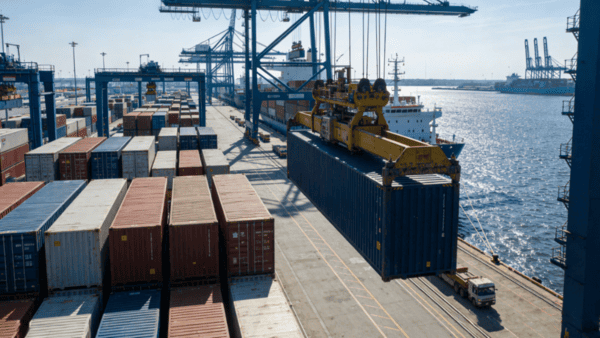
Direct sea routes from China to the UAE reduce costs for freight forwarders by eliminating transshipment fees, reducing cargo damage risks, and optimizing resource allocation. These cost savings can be passed on to clients or retained to improve profit margins.
Eliminate Transshipment Fees: Transshipment routes often involve additional fees for unloading, storing, and reloading cargo at intermediate ports. According to Freightos Baltic Index (FBX) 2026 (Q1) data, transshipment can add 18-27% to the total shipping cost. Direct routes remove these fees, directly reducing operational expenses for forwarders.
Reduce Cargo Damage and Loss: Each transshipment increases the risk of cargo damage or loss due to multiple handlings. A common mistake is underestimating the impact of transshipment on cargo integrity—direct routes minimize handling, lowering damage rates by an average of 9-13% according to Drewry 2025 research. This reduces insurance claims and associated costs for forwarders.
Optimize Resource Allocation: Direct routes have predictable transit times, allowing forwarders to better plan their logistics operations. This reduces the need for emergency expediting or storage, which are often costly. For example, forwarders can schedule pickup and delivery times more accurately, reducing idle time for trucks and warehouse space.
Leverage Economies of Scale: As direct routes gain popularity, shipping lines are increasing capacity, leading to lower per-unit costs. According to Shanghai Shipping Exchange 2026 (Q1) data, the average cost per TEU on direct routes from China to the UAE has decreased by 12% since 2025, making direct shipping more cost-competitive compared to transshipment.
What Role Do Key Ports Play in Direct Sea Routes from China to the UAE?
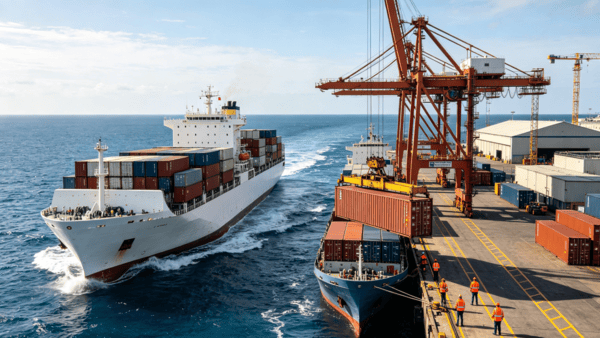
Key ports in China and the UAE are the backbone of direct sea routes, providing the infrastructure and services needed to support efficient shipping operations. These ports are critical for forwarders to ensure smooth cargo movement and timely deliveries.
Key Chinese Ports for Direct Routes
In China, major ports like Guangzhou Port and Shenzhen Port are instrumental in direct routes to the UAE. Guangzhou Port, for example, has expanded its direct services to the UAE, with the “Guangdi Express Line” offering 12-day direct transit to Jebel Ali Port—9 days shorter than traditional transshipment routes, according to Guangzhou Port Group 2026 (Q1) data. The port also offers 48-hour cargo consolidation services for goods from the Pearl River Delta, reducing pre-shipping delays for forwarders.
Key UAE Ports for Direct Routes
On the UAE side, Jebel Ali Port is the primary destination for direct sea routes. As one of the largest ports in the Middle East, Jebel Ali handles over 83% of China’s direct sea shipments to the UAE, according to Jebel Ali Port official website 2026 (Q1) data. The port’s 5G+AIoT smart terminal has automated 55% of its gantry cranes, increasing loading and unloading efficiency by 42% and reducing port dwell time by an average of 13 hours.
Forwarders should note that selecting the right port can further enhance the value of direct routes. For example, shipping from Shenzhen Port is often ideal for electronics cargo, as the port has specialized facilities for handling high-value, fragile goods, while Guangzhou Port is well-suited for bulk cargo like construction materials and chemicals.
How Can Forwarders Maximize the Strategic Value of Direct Sea Routes?
Forwarders can maximize the strategic value of direct sea routes from China to the UAE by adopting proactive planning, leveraging technology, and understanding local regulatory requirements. These steps help ensure seamless operations and enhance client satisfaction.
Proactive Route Planning: The recommended approach is to analyze client cargo needs and select the most appropriate direct route and port. For example, time-sensitive cargo should be routed through ports with faster transit times, while cost-sensitive cargo can leverage routes with lower per-unit costs. Forwarders should also monitor route capacity and schedule changes to avoid delays.
Leverage Digital Tracking Tools: Using digital tools to track cargo in real time allows forwarders to provide clients with accurate updates and address potential issues before they escalate. Many shipping lines and ports now offer blockchain-based tracking systems that provide end-to-end visibility, reducing the risk of lost or delayed cargo.
Understand UAE Customs and Regulatory Requirements: A common mistake is overlooking the UAE’s specific import regulations, which can lead to costly delays and penalties. Forwarders should ensure clients have all required documentation, including commercial invoices, packing lists, and certificates of origin, and familiarize themselves with UAE VAT (5% on most goods) and customs duty requirements.
Build Partnerships with Local Logistics Providers: Collaborating with local logistics providers in the UAE can help forwarders navigate last-mile delivery challenges and ensure timely cargo distribution. Local partners can also provide insights into market trends and regulatory changes, helping forwarders stay competitive.
What Does the Future Hold for Direct Sea Routes from China to the UAE?
The future of direct sea routes from China to the UAE is promising, with continued growth in trade volumes, infrastructure upgrades, and digitalization driving further strategic value for forwarders. These trends will shape how forwarders operate and serve their clients in the coming years.
Projected Growth in Direct Shipments
According to UNCTAD 2026 (Q1) projections, direct sea shipments between China and the UAE are expected to grow by 20% annually through 2028, driven by increased demand for Chinese electronics, renewable energy equipment, and consumer goods. Shipping lines are responding by expanding capacity—plans are underway to add 3 more LNG dual-fuel vessels to direct routes by 2027, increasing weekly sailings from 2 to 3 for key routes like Guangzhou-Jebel Ali.
Digitalization and Green Shipping Trends
Digitalization will also play a key role in the future of direct routes. The upcoming launch of a China-UAE logistics blockchain traceability platform (scheduled for Q3 2026) will enable real-time tracking of cargo from factory to destination, improving transparency and reducing paperwork for forwarders. Additionally, green shipping initiatives—such as the use of LNG-powered vessels—will help forwarders meet client sustainability goals, as these vessels reduce carbon emissions by 38% per voyage compared to traditional fuel-powered ships.
Forwarders who adapt to these trends—by investing in digital tools, building local partnerships, and staying informed about regulatory changes—will be best positioned to capitalize on the strategic value of direct sea routes from China to the UAE. As trade between the two regions continues to grow, these routes will remain a critical asset for forwarders looking to expand their global footprint and enhance client satisfaction.
In conclusion, direct sea routes from China to the UAE offer significant strategic value for global freight forwarders, including reduced costs, faster transit times, and access to a regional logistics hub. By understanding the role of key ports, adopting best practices, and adapting to future trends, forwarders can leverage these routes to gain a competitive edge and support the growing trade relationship between China and the UAE. Shipping from China to the UAE via direct sea routes is not just a logistics choice—it is a strategic investment in long-term business growth and client success.
Last
Regulatory Updates for Cargo Arriving in the UAE from China via Sea
For global freight forwarders managing Shipping from China to UAE, staying updated on the latest regulatory changes is critical to
Next
Decarbonizing the Pacific: Green Shipping Initiatives from Shanghai to Long Beach
As global freight forwarders adapt to stricter environmental regulations, green shipping initiatives for Shipping from Shanghai to

