




For global freight forwarders, effectively managing transit times and selecting the right carrier are critical to delivering reliable services for Shipping from China to India, a route that handles significant trade volume between the two economies.
What Are Transit Times for Shipping from China to India?
Transit times for Shipping from China to India refer to the total duration from when cargo departs a Chinese port to when it arrives at an Indian port, influenced by route type, port efficiency, and external factors like weather or congestion.
Transit times vary significantly based on the departure and arrival ports, as well as whether the route is direct or involves transshipment. Direct routes between major ports are typically faster, while transshipment through hubs like Colombo or Singapore adds extra days to the journey.
According to Drewry 2025 Q3 data, direct transit times from southern Chinese ports (e.g., Shenzhen, Xiamen) to western Indian ports (e.g., Nhava Sheva, Mundra) range from 18 to 25 days. Transshipment routes, by contrast, can take 28 to 32 days or longer, depending on the transshipment hub’s efficiency.
Forwarders should note that transit time estimates provided by carriers often exclude additional delays from port congestion, customs inspection, or documentation errors, which can add 3 to 7 days to the total journey time.
Why Do Transit Times Vary for Shipping from China to India?
Transit times for Shipping from China to India vary due to a combination of route design, port performance, seasonal factors, and operational inefficiencies, all of which impact the reliability of cargo delivery.
Route Type: Direct vs. Transshipment
One key factor is the choice between direct and transshipment routes. Direct routes, such as the CSX and CIX8 services operated by Emirates Shipping Line and Evergreen Line, bypass transshipment hubs and reduce transit times by 5 to 10 days compared to indirect routes. This is because transshipment requires additional time for vessel unloading, cargo storage, and reloading at the hub port.
Port Efficiency Differences
Port efficiency also plays a major role. According to UNCTAD 2025 Q2 data, major Chinese ports (e.g., Yantian, Da Chan Bay) have an average berthing and loading/unloading efficiency of 35 containers per hour, while Indian ports like Nhava Sheva average 28 containers per hour, leading to longer turnaround times. Slower port operations extend the time vessels spend at berth, directly increasing overall transit times.
Seasonal and Congestion Factors
Seasonal factors further contribute to variability. The Indian Ocean monsoon season (June to September) often brings severe weather, slowing vessel speeds and potentially adding 3 to 5 days to transit times. Additionally, peak trade periods (e.g., before Diwali) cause port congestion in India, extending transit times by up to a week.
A common mistake is assuming transit times are fixed; forwarders should account for these variables when quoting delivery dates to clients, as unanticipated delays can damage client trust and lead to financial penalties.
What Factors Should Forwarders Consider When Selecting Carriers for China-India Sea Freight?
When selecting carriers for Shipping from China to India, forwarders should consider factors beyond just freight rates, including route frequency, transit time reliability, port coverage, and additional service offerings.
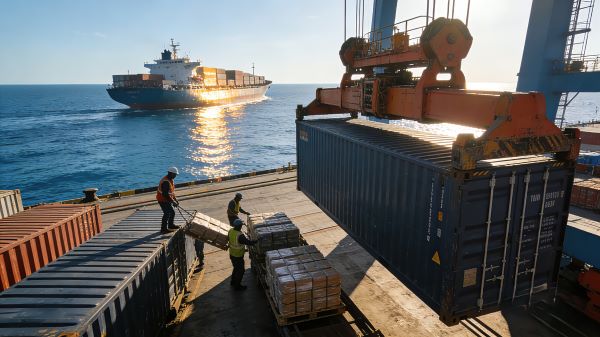
Route Frequency and Coverage: Choose carriers with regular weekly sailings to key Indian ports. For example, COSCO Shipping added a direct route to Nhava Sheva in June 2025, increasing capacity by 25% and offering fixed weekly sailings, which enhances schedule reliability.
Transit Time Consistency: Prioritize carriers with a track record of consistent transit times, even if their rates are slightly higher. According to Freightos Baltic Index (FBX) 2025 Q3 carrier performance data, carriers with direct routes maintain transit time consistency of 85% or higher, compared to 65% for carriers relying on transshipment.
Port Handling Capabilities: Select carriers that partner with efficient ports. Da Chan Bay Port in Shenzhen, which added a new India-focused route in July 2025, offers fast berthing and unloading, reducing vessel turnaround time by 15% compared to other southern Chinese ports.
Additional Service Offerings: Look for carriers that provide value-added services, such as real-time cargo tracking, documentation support, and coordination with local agents in India. These services help streamline the entire shipping process and reduce the risk of delays.
Cost Transparency: Choose carriers that provide clear, detailed quotes including all surcharges (e.g., BAF, CIC), as hidden fees can significantly increase the total cost of Shipping from China to India. Avoid carriers that offer vague pricing or refuse to disclose surcharge details.
The recommended approach is to evaluate carriers based on a balanced scorecard of these factors, rather than focusing solely on freight rates. This ensures that the selected carrier can deliver reliable service that meets client expectations.
How Can Forwarders Reduce Transit Times for Shipping from China to India?
Forwarders can reduce transit times for Shipping from China to India by optimizing route selection, improving documentation efficiency, and collaborating with carriers and local partners to minimize delays.
Choose Direct Routes When Possible: Prioritize direct routes for time-sensitive cargo. For example, the ECSX/CIX8 route from Xiamen to Mundra offers direct weekly sailings with a transit time of 20 days, significantly shorter than transshipment routes.
Optimize Port Selection: Select departure ports close to the cargo’s origin and arrival ports that are less congested. For instance, using Da Chan Bay or Xiamen Port instead of busier ports like Yantian can reduce pre-departure delays by 1 to 2 days.
Streamline Documentation: Ensure all documentation (e.g., B/L, commercial invoice, CO) is accurate and complete before cargo departure. A common mistake is rushing documentation, which can lead to customs delays that add 3 to 5 days to transit times.
Collaborate with Local Indian Agents: Partner with reputable local agents in India who can coordinate with ports and customs to expedite cargo handling. Local agents can also help navigate port congestion, reducing post-arrival delays by up to 40%.
Avoid Peak Congestion Periods: Plan shipments to avoid peak trade periods, such as Diwali (typically October-November) or Chinese New Year, when ports in both countries are often congested. Scheduling shipments 2 to 3 weeks before or after these peaks can reduce transit times by 5 to 7 days.
Forwarders should note that reducing transit times requires proactive planning and collaboration across the supply chain. Cutting corners, such as choosing unreliable carriers to save time, can lead to more significant delays and higher costs in the long run.
What Are the Risks of Poor Carrier Selection for China-India Sea Freight?
Poor carrier selection for Shipping from China to India can lead to costly delays, damaged cargo, hidden fees, and reputational damage, all of which can impact a forwarder’s ability to retain clients.
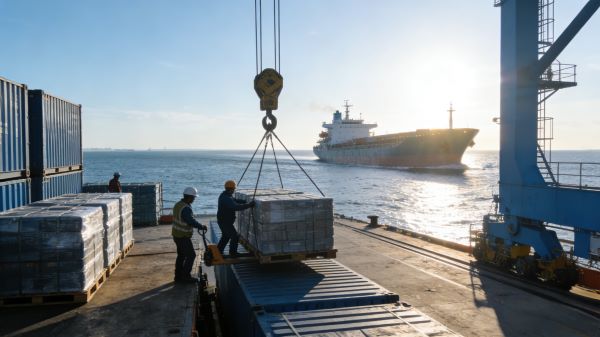
Inconsistent Transit Times
One major risk is inconsistent transit times, which can cause clients to miss production deadlines or incur penalties for late delivery. According to a 2025 industry survey by the International Federation of Freight Forwarders Associations (FIATA), 68% of forwarders reported losing clients due to carrier-related delays, highlighting the importance of reliable carrier selection.
Hidden Fees and Cost Volatility
Another risk is hidden fees. Some carriers offer low initial freight rates but add excessive surcharges (e.g., port congestion fees, documentation fees) that increase the total cost of shipping. A common mistake is failing to request a detailed breakdown of fees, leading to unexpected costs that eat into profit margins.
Cargo Damage and Liability
Cargo damage is also a concern with unreliable carriers. Carriers with poor vessel maintenance or inadequate cargo handling procedures are more likely to cause damage, leading to insurance claims and client dissatisfaction. According to UNCTAD 2025 Q2 data, cargo damage rates are 30% higher with carriers that have below-average operational ratings.
The recommended approach is to conduct thorough due diligence on carriers, including reviewing their performance history, client feedback, and service offerings. This reduces the risk of poor carrier selection and ensures a smoother shipping process.
How Can Forwarders Negotiate Better Terms with Carriers for China-India Sea Freight?
Forwarders can negotiate better terms with carriers for Shipping from China to India by leveraging their shipping volume, demonstrating long-term commitment, and focusing on total cost rather than just freight rates.
Leverage Shipping Volume: Use consistent shipping volume to negotiate discounted rates. Forwarders who ship 5 or more containers per month can often secure 10% to 15% discounts on base freight rates, according to 2025 carrier contract data from Drewry.
Sign Long-Term Contracts: Commit to 6-12 month contracts with carriers, which often include better rates and priority sailings. Long-term contracts also provide stability, as rates are locked in and less susceptible to market fluctuations.
Negotiate Surcharge Caps: Request caps on common surcharges (e.g., BAF, CIC) to avoid unexpected cost increases. Many carriers are willing to negotiate surcharge caps for long-term clients, reducing cost volatility.
Bundle Services: Negotiate bundled services, such as free cargo tracking or documentation support, to add value without increasing costs. These services can improve efficiency and reduce the forwarder’s administrative burden.
Compare Multiple Carriers: Obtain quotes from 2-3 carriers and use them to negotiate better terms. Carriers are often willing to match or beat competitors’ offers to secure a forwarder’s business, especially for high-volume clients.
Forwarders should note that negotiation is a two-way process. Being transparent about shipping needs and demonstrating a willingness to commit to a carrier can lead to more favorable terms and a stronger partnership.
In conclusion, managing transit times and selecting the right carrier are essential for forwarders looking to succeed in Shipping from China to India. By understanding the factors that influence transit times, carefully evaluating carriers, and implementing strategies to reduce delays, forwarders can deliver reliable, cost-effective services to their clients.
As China-India trade continues to grow—with UN Comtrade 2025 preliminary data showing a 2.7% year-on-year increase in 2024—forwarders who master these skills will be better positioned to capitalize on market opportunities. By prioritizing reliability, cost transparency, and proactive planning, forwarders can build long-term client relationships and thrive in the competitive landscape of Shipping from China to India.
Last
Documentation Mastery: Ensuring a Smooth LCL Shipping Process from Shanghai to USA
Mastering documentation is the cornerstone of a seamless Shanghai to USA LCL Shipping Process, as even minor discrepancies can lea
Next
Reducing Delays in the Shanghai to USA LCL Shipping Process: Tips for Global Forwarders
Reducing Delays in the Shanghai to USA LCL Shipping Process: Tips for Global ForwardersNavigating the Shanghai to USA LCL Shipping

