




For global freight forwarders, mastering customs clearance for Shipping from China to India is essential to avoid delays, penalties, and client dissatisfaction, as this process is often complex and governed by strict regulations from both countries.
What Is Customs Clearance for Ocean Cargo from China to India?
Customs clearance for ocean cargo from China to India is the formal process of complying with customs regulations in both countries to ensure cargo is legally allowed to leave China and enter India, involving documentation, inspection, and duty payment.
This process involves multiple stakeholders, including Chinese exporters, Indian importers, freight forwarders, carriers, and customs authorities in both nations. It covers everything from pre-shipment documentation in China to post-arrival inspection in India, with each step requiring strict adherence to local rules.
According to UNCTAD 2025 Q2 data, approximately 28% of delays in Shipping from China to India are caused by incomplete or incorrect customs clearance procedures, highlighting the importance of getting this process right for forwarders.
Why Is Smooth Customs Clearance Critical for Forwarders Handling Shipping from China to India?
Smooth customs clearance is critical for forwarders handling Shipping from China to India because it minimizes delays, reduces additional costs like detention fees, and maintains client trust in a market where compliance errors are costly and common.
India’s customs regulations are known for their complexity, and even minor mistakes can lead to significant consequences. According to Jawaharlal Nehru Port Trust (JNPT) 2025 Q2 operational data, cargo detained due to customs clearance issues incurs an average of $18 to $25 per day in storage and detention fees, which often fall to the forwarder if the error is theirs.
Forwarders should note that clients, especially those with time-sensitive cargo, prioritize reliable customs clearance as much as competitive pricing. A single clearance delay can damage a forwarder’s reputation and lead to lost long-term business, even if other aspects of the service are strong.
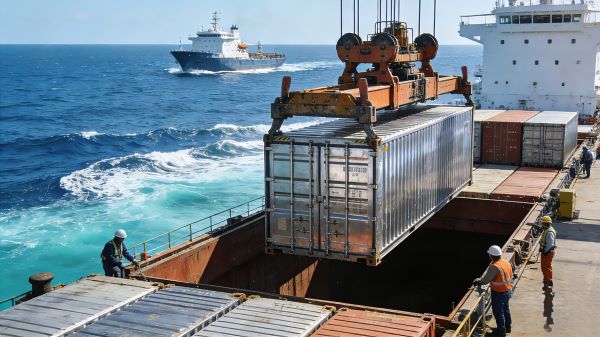
A common mistake is underestimating the time required for customs clearance in India. Many forwarders assume clearance takes 1-2 days, but in reality, it can take 3-7 days for standard cargo and longer for specialized goods, leading to missed client deadlines.
What Key Documentation Is Required for Customs Clearance in Shipping from China to India?
The key documentation required for customs clearance in Shipping from China to India includes export and import declarations, commercial documents, certificates of compliance, and additional paperwork specific to cargo type and Indian regulations.
Bill of Lading (B/L): A critical document issued by the carrier, proving receipt of cargo and outlining the terms of transport. The consignee name on the B/L must match the Importer of Record (IOR) and their Import Export Code (IEC) exactly, as even minor abbreviation differences (e.g., “Pvt. Ltd.” vs. “Private Limited”) can lead to rejection.
Commercial Invoice: A detailed document specifying cargo description, quantity, value, HS code, and origin (e.g., “Made in China”). According to Indian Customs 2025 regulations, the invoice must include the importer’s IEC and cannot declare a value lower than the customs minimum threshold for the product category.
Packing List: A detailed list of cargo contents, including weight, volume, and packaging type, sorted by product category. Mixed cargo without clear categorization often triggers mandatory inspections, delaying clearance.
Certificate of Origin (CO): A document proving the cargo’s origin, required for duty calculation and compliance with trade agreements. For China-India trade, a general CO is often sufficient, but some products may require additional certification.
Import Export Code (IEC): A mandatory 10-digit code issued by India’s Directorate General of Foreign Trade (DGFT) for all importers; cargo cannot enter India without a valid IEC, except for personal use items.
Product-Specific Certifications: Additional documents for specialized goods, such as BIS certification for electronics (per IS 13252 standards), FSSAI certification for food products, and CAS/IUPAC details for chemicals (per CBIC 2024 Circular No. 18/2024).
The recommended approach is to verify all documentation at least 48 hours before cargo departure, cross-checking details like HS codes, IEC numbers, and cargo descriptions to ensure consistency across all documents. This reduces the risk of customs rejection or delays.
How Do Chinese and Indian Customs Regulations Differ for Shipping from China to India?
Chinese and Indian customs regulations differ in documentation requirements, inspection priorities, and duty structures, which forwarders must understand to ensure seamless clearance for Shipping from China to India.
Chinese Customs Requirements for Export
Chinese customs focus on export declaration accuracy, restricted goods control, and compliance with global trade sanctions. As of 2025, China’s General Administration of Customs (GAC) has streamlined processes through the “Single Window” platform, allowing electronic declaration and self-printing of customs documents.
Forwarders should note that China requires an Export Declaration Form for all ocean cargo, which must be submitted electronically via the Single Window platform. Restricted goods, such as certain electronics or chemicals, require additional permits from relevant Chinese authorities before export.
Indian Customs Requirements for Import
Indian customs prioritize import compliance, duty collection, and product safety, with strict rules for documentation, labeling, and product certifications. The Indian Central Board of Indirect Taxes and Customs (CBIC) oversees these regulations, with frequent updates to procedures.
A common mistake is neglecting India’s labeling requirements: all cargo labels must include English and a local language (e.g., Hindi for northern India), and food products must display a vegetarian/non-vegetarian symbol (green/red dot). Plastic packaging must also be labeled with recyclability information per 2025 Indian environmental protection rules.
According to India’s Ministry of Ports, Shipping and Waterways 2025 Q2 data, Indian customs conduct random inspections on approximately 30% of standard cargo and 80% of first-time imports or under-declared goods, making compliance even more critical.
What Are the Common Customs Clearance Challenges for Shipping from China to India?
Common customs clearance challenges for Shipping from China to India include documentation errors, HS code misclassification, product certification gaps, and delays due to port congestion or inspection backlogs.
Documentation Errors: The most frequent issue, including typos in IEC numbers, inconsistent cargo descriptions across documents, or missing signatures. These errors can lead to customs holds, with an average resolution time of 4-5 days, per JNPT 2025 Q2 data.
HS Code Misclassification: Incorrect HS codes lead to wrong duty calculations, penalties, or cargo detention. Forwarders should use India’s official HS code database (HS 2022) and consult with local experts for specialized products like chemicals or electronics.
Missing Product Certifications: Failure to provide mandatory certifications (e.g., BIS for electronics, FSSAI for food) results in cargo seizure or rejection. As of 2025, BIS certification applications take up to 45 days to process, so forwarders must plan accordingly.
Port Congestion and Inspection Delays: Major Indian ports like Mumbai and Chennai often face congestion, leading to longer clearance times. According to UNCTAD 2025 Q3 data, average customs clearance time at Indian ports is 4.2 days, compared to 2.8 days at major Chinese ports.
The recommended approach is to proactively address these challenges by investing in documentation verification tools, partnering with local Indian customs brokers, and avoiding peak shipping periods (e.g., before Diwali) when ports are most congested.
How Can Forwarders Streamline Customs Clearance for Shipping from China to India?
Forwarders can streamline customs clearance for Shipping from China to India by adopting proactive documentation practices, leveraging technology, partnering with local experts, and staying updated on regulatory changes.
Adopt Electronic Declaration Tools: Use China’s Single Window and India’s ICEGATE platform for electronic declaration, which reduces processing time by 30-40% compared to paper-based methods. These platforms also allow real-time tracking of clearance status.
Partner with Local Indian Customs Brokers: Collaborate with reputable local brokers who understand India’s complex customs regulations and have established relationships with customs authorities. This often speeds up inspection processes and resolves issues more efficiently.
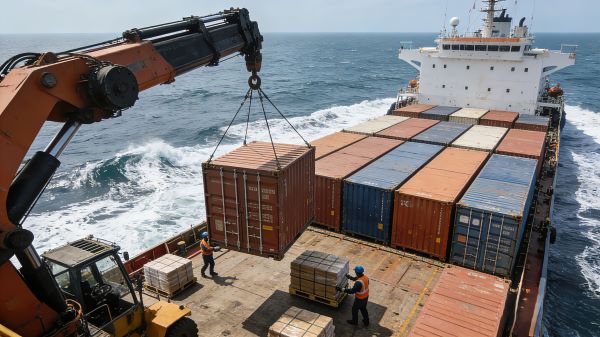
Conduct Pre-Clearance Checks: Perform a thorough review of all documentation, HS codes, and certifications before cargo departs China. This includes verifying IEC validity, ensuring label compliance, and confirming duty calculations are accurate.
Stay Updated on Regulatory Changes: Indian customs regulations change frequently—for example, CBIC updated chemical import requirements in 2024, and 2025 saw new plastic packaging rules. Forwarders should subscribe to official updates from DGFT and CBIC to avoid non-compliance.
Opt for Pre-Declaration: Take advantage of India’s pre-declaration facility, which allows customs declaration up to 30 days before cargo arrival. This reduces clearance time by 1-2 days and minimizes the risk of detention due to documentation gaps.
Forwarders should note that streamlining clearance is an ongoing process, not a one-time task. Regularly reviewing processes, training staff on new regulations, and gathering feedback from clients and local partners helps identify areas for improvement.
What Penalties Can Forwarders Face for Customs Clearance Non-Compliance in Shipping from China to India?
Forwarders can face a range of penalties for customs clearance non-compliance in Shipping from China to India, including monetary fines, cargo detention, seizure, and even temporary bans from handling certain cargo types.
Monetary Fines: Fines vary based on the violation—for example, under-declaring cargo value can result in fines up to 300% of the under-declared amount, while missing documentation may incur fines of $500 to $2,000 per shipment.
Cargo Detention and Storage Fees: Detained cargo incurs daily storage fees (up to $25 per day per cubic meter) and detention fees, which can quickly escalate if the issue is not resolved promptly. These fees are often the responsibility of the forwarder.
Cargo Seizure: Severe violations, such as shipping prohibited goods (e.g., beef products, uncertified electronics) or fraudulent documentation, can lead to cargo seizure. Recovering seized cargo is a lengthy and costly process, if possible at all.
Reputational and Business Risks: Non-compliance can damage a forwarder’s reputation with both clients and customs authorities, leading to lost business and increased scrutiny of future shipments. In some cases, repeated violations can result in temporary bans from operating in India.
A common mistake is assuming that minor violations will not be penalized. Indian customs authorities are strict about compliance, and even small errors (e.g., missing a signature on a CO) can trigger fines or delays. The recommended approach is to prioritize compliance over speed to avoid these costly consequences.
In conclusion, navigating customs clearance for Shipping from China to India requires careful planning, strict attention to detail, and a deep understanding of both Chinese and Indian regulations. Forwarders who invest in documentation accuracy, leverage technology, and partner with local experts can minimize delays, avoid penalties, and provide reliable service to their clients.
As China-India bilateral trade continues to grow—with UN Comtrade 2025 preliminary data showing a 2.7% year-on-year increase in 2024—mastering customs clearance will remain a key differentiator for forwarders looking to succeed in Shipping from China to India. By staying updated on regulatory changes, addressing common challenges proactively, and prioritizing compliance, forwarders can build trust, reduce costs, and thrive in this dynamic market.
Last
A Step-by-Step Guide to the LCL Shipping Process Between Shanghai and USA Hubs
Mastering the Shanghai to USA LCL Shipping Processis essential for global freight forwarders aiming to serve clients shipping smal
Next
Streamlining the LCL Shipping Process for Consolidators Moving Cargo from Shanghai to USA
A well-structured and fully compliant Shanghai to USA LCL Shipping Processserves as the fundamental operational backbone for globa

