



Transit Time from Shenzhen to Europe by Sea is a core operational balancing metric for global freight forwarders handling containerized export cargo amid the unstable 2025 to 2026 maritime market. Logistics providers must align cargo delivery priorities, realistic sailing schedules and current freight pricing to create practical solutions that meet both shipper delivery demands and budgetary cost limits.
What Does the Speed and Cost Trade-off Mean for Shenzhen-Europe Sea Freight?
The speed and cost trade-off in ocean freight describes the direct operational correlation between container transit duration and total logistics expenditure on the Far East to Europe main shipping lane. Faster liner services naturally incur higher carrier charges, while economy routing options extend overall cargo transit cycles to reduce direct shipping expenses.
According to Freightos Baltic Index (FBX) 2026 Q1 Asia-Europe lane performance data, premium direct liner strings with fixed weekly port rotations carry higher spot market rates compared to indirect transshipment alternatives on the Shenzhen-Europe trade corridor. This stable market trend requires forwarders to deploy customized routing plans for each shipper’s cargo profile.
Forwarders should note that overemphasizing either transit speed or freight cost without comprehensive balance assessment frequently results in client budget overruns or avoidable order fulfillment delays. Most long-term manufacturing shippers expect forwarders to provide practical middle-ground solutions with controllable spend and predictable transit performance.
How Do Fast Transit Liner Options Affect Freight Budget Planning?
Fast transit sea freight solutions for Shenzhen-originated Europe cargo rely on premium direct liner services with stable weekly deployments and minimal terminal anchorage waiting time. These time-efficient routing choices require higher freight budget allocation yet lower indirect supply chain inventory holding and capital occupation costs.
What Core Transit and Pricing Traits Define Premium Direct Liner Services?
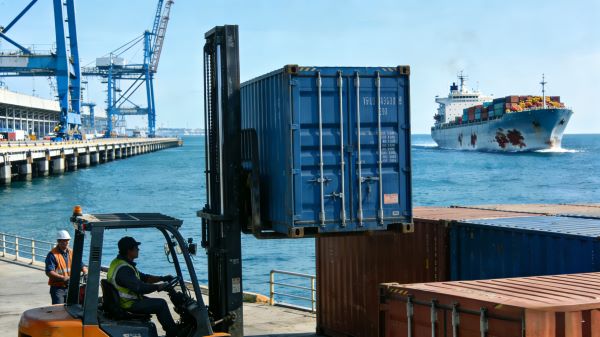
Premium direct liner routes connecting Shenzhen to Northern Europe and Mediterranean Europe deliver the shortest baseline transit cycles with consistent vessel rotations and no intermediate cargo transloading operations. These services are one of the commonly adopted approaches for time-sensitive retail restock and production-critical container shipments.
According to UNCTAD 2025 Review of Maritime Transport official statistics, premium direct Shenzhen to Northern Europe liner routes maintain standard transit cycles of 28 to 32 calendar days. These direct services carry a steady freight rate premium above conventional economy liner options, helping shippers cut warehouse storage pressure and European distribution lead times.
What Indirect Operational Savings Come with Faster Transit Schedules?
A common mistake is focusing solely on direct ocean freight costs while overlooking hidden supply chain expenses caused by prolonged cargo transit and terminal dwell time. Extended shipment cycles lead to increased inventory capital lockup, delayed goods availability and potential European market sales opportunity losses.
How Do Low-Cost Shipping Solutions Impact Transit Schedule Reliability?
Budget-focused sea freight arrangements for Shenzhen to Europe cargo primarily consist of economy liner services and multi-hub transshipment routing designed to lower initial carrier booking costs. These cost-effective options reduce upfront shipping spend but introduce longer transit lead times and higher schedule deviation risks.
What Cost and Timeline Profiles Apply to Economy Transshipment Routes?
Economy transshipment shipping routes feature reduced base freight rates via intermediate hub port cargo transfer and feeder vessel reloading. This routing structure extends total transit time due to extra navigational mileage and additional terminal cargo handling procedures at third-party hub ports.
FBX 2026 quarterly freight monitoring data confirms that transshipment-based economy services lower direct freight expenditure noticeably, while adding 7 to 10 extra transit days compared to premium direct liner voyages. Forwarders must clearly explain this core trade-off during client quotation and shipment confirmation stages.
Why Do Low-Cost Transshipment Routes Carry Higher Disruption Exposure?
UNCTAD 2025 maritime supply chain disruption reports verify that transshipment routing faces greater exposure to port congestion and carrier schedule restructuring than fixed direct liner strings. Every additional transshipment hub creates extra delay nodes that weaken overall transit time stability for cost-sensitive shipments.
Which Key Market Factors Reshape the 2026 Speed and Cost Balance?
A range of dynamic maritime market factors continuously reshape the balance between shipment transit speed and overall freight cost on the Shenzhen-Europe trade lane in 2026. Forwarders must monitor these real-time variables to adjust routing optimization and client quotation strategies accordingly.
Seasonal peak and off-peak cargo volume cycles: Annual peak shipping periods from September to November drive freight rate hikes and terminal congestion-related transit delays due to massive export cargo surges. The recommended approach is to prioritize direct speed-focused bookings during peak seasons to avoid compounded shipment hold-ups.
Red Sea diversions and major maritime chokepoint adjustments: Persistent geopolitical shipping diversions force Asia-Europe vessels to adopt longer alternative navigation routes with extra fuel consumption and sailing days. Forwarders should note that diversion periods make balanced speed-cost planning essential to avoid dual time and financial losses.
Carrier capacity deployment and liner schedule restructuring: Major shipping lines adjust vessel fleet allocation and weekly sailing frequencies based on fluctuating market cargo demand. These revisions affect both spot freight pricing and overall liner schedule reliability for Shenzhen-Europe container cargo.
European destination port terminal operational efficiency changes: Fluctuating berth occupancy rates and container handling productivity at European gateway ports alter final cargo arrival timelines regardless of selected route type. Stable terminal performance helps forwarders maintain predictable speed-cost balance for all client shipments.
What Practical Forwarder Tactics Optimize Speed and Cost Allocation?
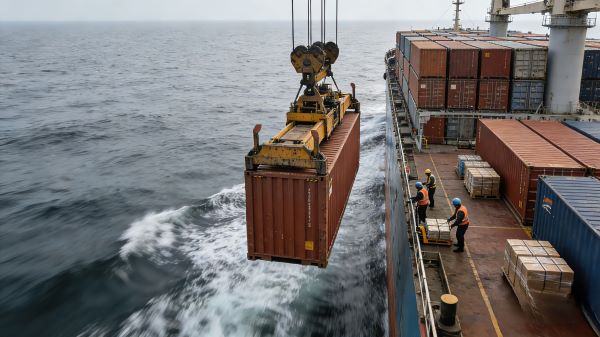
Forwarders need standardized operational tactics to optimize both transit efficiency and freight expenditure instead of adopting one-size-fits-all extreme routing solutions. These practical optimization measures match different cargo characteristics and long-term client business requirements.
Match liner service type with cargo value and shipment urgency: Deploy premium direct liner services for high-value, time-sensitive consumer goods and economy transshipment routing for low-value, inventory-tolerant bulk industrial cargo. This classified allocation method prevents unnecessary freight overspending and schedule wastage.
Arrange mixed peak and off-peak shipment planning cycles: Schedule time-critical shipments during off-peak periods for lower premium rates and arrange non-urgent cargo well ahead of peak seasons to avoid surge pricing and severe terminal congestion delays.
Negotiate long-term contract rates for high-volume regular clients: Secure stable annual carrier contracted rates to maintain balanced transit reliability and controllable logistics costs for repeat shipper partnerships. Contract pricing delivers higher budget predictability than volatile spot market fluctuations.
Apply customized buffer days based on individual route risk levels: Set minimal buffer periods for stable direct routes and increased contingency allowances for high-risk transshipment routing. The recommended approach reduces client disputes without raising overall logistics operational costs excessively.
What Common Matching Errors Reduce Forwarder Operational Profit Margins?
Most forwarder profit compression issues result from improper speed and cost routing matching decisions rather than external market pressure. Avoiding these frequent operational errors helps forwarders sustain stable profit margins and reliable client service quality.
Allocating premium fast routes for low-value non-urgent cargo: A common mistake is assigning high-cost direct liner services to ordinary bulk cargo without strict delivery deadlines. This practice generates unnecessary freight waste and reduces forwarder gross profit margins significantly.
Using low-cost slow routes for time-critical client replenishment cargo: Routing urgent production restock cargo via economy transshipment services often causes delivery delays and client compensation claims. Short-term cost savings lead to long-term client trust and reputation damage.
Over-relying on spot bookings instead of long-term contracted rates: Depending entirely on volatile spot market pricing without utilizing long-term carrier contracts fails to stabilize speed and cost balance throughout market fluctuation cycles.
Omitting transparent speed-cost trade-off communication with clients: Failing to clearly explain the correlation between transit time and freight cost leads to client expectation misunderstandings during shipment adjustments. Poor communication creates extra negotiation and after-sales workload.
Amid the continuously shifting 2026 global maritime logistics environment, professionally balancing cargo delivery speed and logistics expenditure by scientifically managing Transit Time from Shenzhen to Europe by Sea enables global forwarders to deliver tailored, cost-effective and schedule-stable sea freight solutions for all supply chain partners and long-term shipper clients.
Last
Mitigating Cold Weather Delays for Canadian Sea Freight from China
Shipping from China to Canada faces unique challenges during winter months, with cold weather often causing significant delays tha
Next
How to Accurately Estimate Transit Time When Shipping from Shenzhen to Europe by Sea
Transit Time from Shenzhen to Europe by Sea is a core operational metric that professional global freight forwarders must proficie