




Recently, the strike alert at Felixstowe Port, the largest container port in the UK, has continued to escalate, bringing great uncertainty to the backend delivery of shipping from China to the UK. Many global freight forwarders have fallen into the dilemma of "easy shipping but difficult delivery". How to avoid the impact of the strike and ensure delivery timeliness through multi-port linkage has become the core focus of the current freight forwarding industry.
I. Felixstowe Port Strike: Why Does It Directly Impact Shipping Delivery from China to the UK?
Felixstowe Port is the core container port in the UK and the main transit hub for goods shipped from China to the UK by sea. Its strike directly leads to the suspension of port operations and cargo accumulation, thereby dragging down the overall delivery timeliness. According to the latest announcement on the official website of Felixstowe Port in May 2026, the port workers' strike has entered the preparation stage, which is expected to last 7-14 days and will seriously affect the efficiency of cargo unloading, customs clearance, and transshipment.
1. The Core Influence of Felixstowe Port on Shipping from China to the UK
First of all, it should be clear that the influence of Felixstowe Port on shipping from China to the UK is irreplaceable. According to the first-quarter 2026 data from the UK Ports Association, the port accounts for 43% of the UK's total container throughput, 62% of cross-border e-commerce goods from China to the UK are transshipped here, and about 59% of direct shipping goods from China to the UK call at this port. Once the strike occurs, cargo unloading delays will reach 3-7 days, customs clearance efficiency will drop by more than 60%, and the backend delivery timeliness will also be delayed by 5-10 days simultaneously.
2. The Nature and Impact of the Strike: Freight Forwarders Need to Avoid Fluke Psychology
Freight forwarders need to note that this strike is not a temporary incident, but a result of the intensification of long-term contradictions between port workers and management over salaries and working hours. There is still the possibility of continuous or repeated strikes in the future, so do not hold the fluke psychology of "short-term recovery". A common misunderstanding is that some freight forwarders only adjust their plans urgently after the strike occurs, leading to cargo accumulation at the port that cannot be cleared. This not only results in customer complaints but also may incur high demurrage and detention fees.
3. Actual Impact Data Caused by the Strike Alert
According to the latest May 2026 data from the Freightos Baltic Index, affected by the strike alert, the backend delivery timeliness of shipping from China to the UK has been delayed by an average of 4.5 days, demurrage fees have increased by an average of 38%, and the loss rate of some sensitive goods (such as fresh food and emergency orders) exceeds 16%. For global freight forwarders, the transportation mode that relies solely on Felixstowe Port is no longer sustainable, and multi-port linkage has become the only feasible path to solve the dilemma.
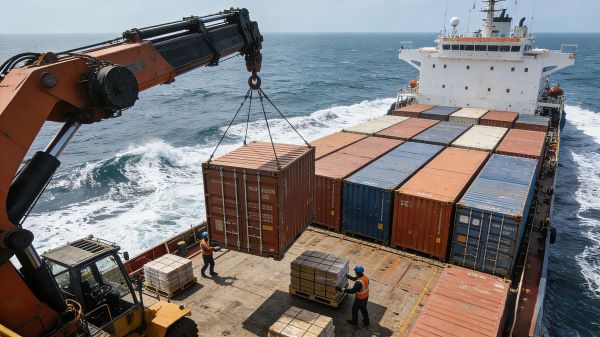
II. Multi-Port Linkage: What is the Core Logic to Avoid Strike Risks in Shipping from China to the UK?
Multi-port linkage refers to a mode where freight forwarders integrate resources of China's core export ports and multiple UK destination ports, and avoid risks such as strikes and congestion at a single port through "diversion transportation, flexible transshipment, and complementary distribution", so as to ensure the stability of the backend delivery timeliness of shipping from China to the UK.
1. Core Operation Ideas of Multi-Port Linkage
The recommended approach is that freight forwarders need to break the inherent thinking of "direct shipping to a single port" and build a linkage system of "direct shipping from multiple Chinese ports + diversion from multiple UK ports" by combining the route advantages of Chinese export ports and the operational capabilities of UK destination ports. On the one hand, rely on the route resources of China's core ports such as Shanghai Port, Shenzhen Port, and Ningbo-Zhoushan Port to realize multi-channel shipment of goods; on the other hand, link alternative UK ports such as Southampton Port, London Port, and Liverpool Port to divert the cargo pressure of Felixstowe Port and ensure smooth backend delivery.
2. Key Notes for Multi-Port Linkage: Precise Matching Rather Than Blind Diversion
Freight forwarders need to note that the core of multi-port linkage is not "random selection of multiple ports" but "precise matching of cargo types, timeliness needs, and port advantages". For example, high-timeliness goods can give priority to routes directly to Southampton Port, bulk goods can be transshipped through Liverpool Port, and cross-border e-commerce goods can rely on the smart logistics park of London Port to achieve fast customs clearance and distribution, so as to avoid timeliness delays or cost increases caused by blind diversion.
III. Practical Guide: How Can Freight Forwarders Build a Multi-Port Linkage System for Shipping from China to the UK?
Building a multi-port linkage system needs to start from three core links: "selection of Chinese export ports, diversion of UK destination ports, and optimization of linkage processes". Combined with cargo characteristics and timeliness needs, a feasible practical plan can be formulated, which can be divided into the following 4 steps:
Step 1: Screen China's Core Export Ports and Lock in Advantageous Routes. Prioritize Chinese export ports with rich route resources and direct shipping to multiple UK ports to avoid route congestion or insufficient space at a single port. Shanghai Port can rely on 32 weekly direct routes to the UK, covering major destination ports such as Felixstowe Port and Southampton Port, which is suitable for high-value and high-timeliness goods; Shenzhen Port focuses on cross-border e-commerce goods, which can directly reach London Gateway Port and cooperate with local UK delivery resources to achieve "door-to-door" timeliness guarantee; Ningbo-Zhoushan Port can rely on the China-Europe Arctic Container Express Route, with a one-way journey of only 18 days, which is more than 20 days shorter than traditional routes, making it suitable for "new three-piece" goods and e-commerce goods.
Step 2: Link Alternative UK Ports and Clarify Diversion Standards. Combine the operational capabilities, customs clearance efficiency, and geographical location of various UK ports to clarify the diversion direction of different goods and avoid diversion chaos. The upgraded smart logistics park of Southampton Port in 2026 can provide "24-hour customs clearance + warehousing and distribution" integrated services, suitable for high-timeliness and high-value-added goods; the container throughput of London Port in the first quarter of 2026 increased by 8.3% year-on-year, equipped with automatic loading and unloading systems, suitable for goods such as automobiles and food; Liverpool Port optimized its Arctic route services in 2026, with the annual transportation volume of chemicals and new energy equipment increasing by 20%, and its supporting cold chain warehousing capacity ranking first in the UK, suitable for bulk goods and special goods.
Step 3: Optimize the Linkage Process and Open Up the "Shipping-Customs Clearance-Delivery" Closed Loop. Establish in-depth cooperation with Chinese export ports, UK destination ports, local customs brokers, and delivery companies in advance, and clarify the docking timeliness and responsibility division of each link. Freight forwarders need to sort out cargo information in advance, assist customers in preparing customs clearance documents, and arrange professional personnel to follow up the whole process for complex customs clearance scenarios such as UK PVA deferred customs clearance; at the same time, build a cargo tracking system to synchronize the in-transit, arrival, customs clearance, and delivery status of goods in real time and respond to emergencies in a timely manner.
Step 4: Formulate Emergency Plans to Respond to Sudden Strike Situations. In view of the possible continuous strike at Felixstowe Port, formulate a cargo transshipment emergency plan in advance. If the goods have docked at Felixstowe Port, coordinate with the shipping company to transship the goods to alternative ports such as Southampton Port and London Port; if the goods have not been shipped, directly adjust the route and choose the route directly to the alternative port to avoid cargo accumulation; at the same time, communicate with customers in advance, inform them of possible fluctuations in timeliness, seek customer understanding, and reduce the risk of complaints.
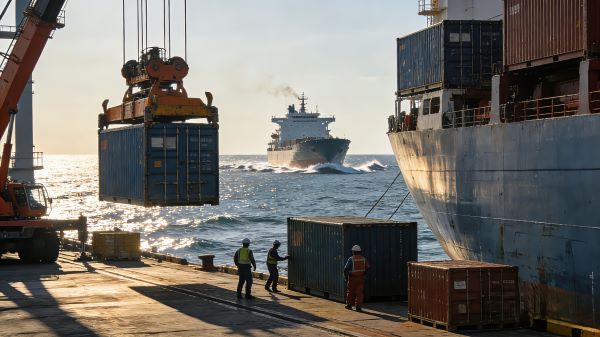
IV. Pitfall Reminder: What Common Problems Should Freight Forwarders Avoid When Building a Multi-Port Linkage System?
In the process of building a multi-port linkage system for shipping from China to the UK, many freight forwarders experience timeliness delays and cost increases due to improper operations. The following 4 common misunderstandings need to be focused on avoiding, and targeted suggestions are given:
Misunderstanding 1: Blindly Selecting Alternative Ports and Ignoring Port Compatibility. To avoid the strike risk at Felixstowe Port, some freight forwarders blindly divert goods to other ports but ignore the operational capabilities and cargo compatibility of the ports. For example, diverting cold chain goods to ports without cold chain warehousing facilities leads to cargo spoilage; diverting oversized goods to ports without heavy equipment makes it impossible to unload the goods smoothly. Freight forwarders need to note that before selecting an alternative port, they must confirm the port's facilities and equipment, operational capabilities, and customs clearance specifications to ensure that it matches the cargo type.
Misunderstanding 2: Failing to Lock in Space in Advance, Leading to Route Congestion. Affected by the strike at Felixstowe Port, the space on the routes to alternative UK ports for shipping from China to the UK is tight. Some freight forwarders do not sign space agreements with shipping companies in advance. Temporary booking not only leads to price increases but also may face insufficient space. The recommended approach is to sign long-term space agreements with leading shipping companies such as Maersk and Hapag-Lloyd to lock in space on various linked routes for shipping from China to the UK, and reserve 10%-15% emergency space to respond to emergencies.
Misunderstanding 3: Ignoring Linkage in the Customs Clearance Link, Leading to Customs Clearance Delays. The core of multi-port linkage is "smooth whole process". Many freight forwarders only focus on shipment and diversion but ignore the differences in customs clearance at various UK ports, leading to goods being unable to clear customs smoothly after arriving at the port. Freight forwarders need to note that they should understand the customs clearance specifications of various UK destination ports in advance, especially the customs clearance requirements for special goods such as dangerous goods and temperature-controlled goods, establish in-depth cooperation with local customs brokers, and prepare customs clearance documents in advance to ensure efficient and smooth customs clearance.
Misunderstanding 4: Failing to Establish a Cargo Tracking System, Unable to Respond to Emergencies in a Timely Manner. Multi-port linkage involves multiple ports and links. If there is no perfect cargo tracking system, once cargo delays or abnormalities occur, freight forwarders cannot find and handle them in a timely manner, which may lead to expanded losses. The recommended approach is to build a digital cargo tracking system to synchronize the in-transit, arrival, customs clearance, and delivery status of goods in real time, arrange special personnel to be responsible for tracking, and immediately activate the emergency plan once an abnormality occurs.
V. Conclusion: Multi-Port Linkage to Build a Timeliness Defense Line for Shipping Delivery from China to the UK
The strike alert at Felixstowe Port is not a short-term crisis. It reflects the long-term contradictions in UK port operations and also sounds the alarm for global freight forwarders: the transportation mode relying on a single port can no longer adapt to the complex market environment, and multi-port linkage is the core path to ensure the delivery timeliness of shipping from China to the UK and reduce operational risks. As global freight forwarders, we need to take the initiative to break the inherent thinking, integrate resources of China's core export ports and UK destination ports, build a precise, efficient, and flexible multi-port linkage system, select appropriate routes and ports according to cargo characteristics, optimize the whole process operation, and avoid common misunderstandings. Only in this way can we calmly respond to emergencies such as strikes, retain customer trust, gain a firm foothold in the fierce market competition, continue to do a good job in shipping services from China to the UK, and achieve a win-win situation for ourselves and customers.
Last
High-Value Over-Sized Cargo Operation Handbook: How a Piece of Chinese-Manufactured Large-Scale Equipment Safely Arrives at a UK Construction Site via Sea Freight
In the wave of Chinese manufacturing going global, the export demand for large-scale engineering equipment continues to rise. Chin
Next
China to Germany Sea Freight LCL Direct Shipment: Logistics Solution Design to Reduce Transit Losses
With the continuous deepening of Sino-German trade exchanges, China to Germany sea freight has become one of the core business seg

