




In the international freight market, shipping from China to Germany has become a core business focus for freight forwarders due to its mature routes and stable cargo volume. However, many freight forwarders only pay attention to the level of basic sea freight when cooperating with shipping companies and serving shippers, but ignore various hidden surcharges, which ultimately leads to quotation losses and shipper complaints. Today, combined with industry practices, we will analyze the common hidden surcharges in shipping from China to Germany to help freight forwarders avoid risks and optimize quotations.
What Exactly Are the Hidden Shipping Surcharges from China to Germany?
The hidden shipping surcharges from China to Germany refer to various additional fees charged by shipping companies or relevant institutions in addition to the basic sea freight that are not clearly marked in the initial quotation. They are mostly related to routes, goods, ports and other factors, and have the characteristics of concealment and randomness.
Which Hidden Shipping Surcharges from China to Germany Are Most Easily Overlooked by Freight Forwarders?
Combined with the latest market dynamics in 2026, the hidden shipping surcharges from China to Germany are mainly concentrated in ports, fuel, special cargo handling and other links. Among them, the following 4 types are most easily overlooked by freight forwarders, directly affecting quotation profits.
1. Port-Related Hidden Surcharges: Most Prone to Temporary Addition, Losses Hard to Control
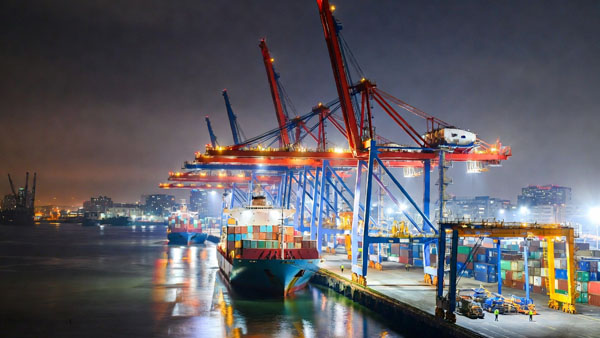
Port-related surcharges are the most common type of hidden surcharges. They are mostly caused by port congestion, facility use, etc., and some fees will be adjusted temporarily. If freight forwarders do not predict them in advance, it is easy to cause cost overruns.
Port Congestion Surcharge (PCS): When core German ports such as Hamburg and Bremerhaven are congested, shipping companies will temporarily charge this fee, which is calculated by a fixed amount per container or a proportion of the cargo value and is often not notified in advance. According to the latest data from the Shanghai Shipping Exchange in June 2026, due to recent cargo backlogs at the Port of Hamburg, the PCS fee has risen to 250-350 US dollars per container, and some shipping companies even temporarily add an "Emergency Port Congestion Surcharge", further increasing costs.
International Ship and Port Facility Security Code (ISPS) Surcharge: Although it is a regular surcharge, some freight forwarders omit it when quoting, especially for LCL (Less than Container Load) cargo. Shipping companies may charge an additional fee per shipment, which is about 60-80 euros per shipment. According to the latest notice on the official website of the Port of Hamburg in May 2026, this fee has been slightly increased since March 2026, and failing to include it in the quotation will directly reduce profits.
Destination Port Demurrage/Dispatch Fee: If a freight forwarder fails to confirm the pickup time with the shipper in advance, and the goods exceed the free storage period (usually 7-10 days, excluding weekends) after arriving at the port, demurrage fees will be incurred. Demurrage fees are calculated on a daily basis, and the demurrage standard at German ports is higher than that at other European ports. According to the Q2 2026 report by Drewry, the demurrage fee at the Port of Hamburg is about 85-130 euros per container per day, and the longer the delay, the greater the loss.
A common misunderstanding is that some freight forwarders believe port surcharges are only charged in peak seasons and can be ignored in off-seasons. In fact, core German ports have varying degrees of congestion all year round. Especially after March 2026, while leading shipping companies such as MSC and Maersk raised route rates, they also increased the frequency of port surcharge collection. Temporary additional fees may also occur in off-seasons.
2. Fuel-Related Hidden Surcharges: Frequent Fluctuations, Easy Miscalculations
Fuel surcharges are the most frequently fluctuating surcharges in shipping from China to Germany. Although most freight forwarders are aware of this fee, they easily ignore its adjustment cycle and calculation standards, leading to a disconnect between the quotation and the actual cost.
According to the latest data from the Freightos Baltic Index (FBX) in June 2026, the Low Sulphur Surcharge (LSS) for shipping from China to Germany has been adjusted to 260-520 US dollars per container, and it is fine-tuned every week according to fluctuations in international oil prices. In addition, some shipping companies additionally charge a Bunker Adjustment Factor (BAF), which is collected in parallel with LSS. If freight forwarders only calculate LSS, they will miss the BAF fee, which is about 180-220 US dollars per container.
Freight forwarders need to note: The calculation standard of fuel surcharges varies by shipping company. Some are charged at a fixed rate per container type, while others are calculated based on the weight or volume of the goods. Before quoting, it is necessary to confirm the specific calculation method with the shipping company and reserve a 5%-10% fluctuation space to avoid losses caused by rising oil prices.
3. Special Cargo Handling Surcharges: Easy to Miss Due to Details, High Complaint Rate
For special goods (such as fragile goods, oversized goods, dangerous goods), shipping companies will charge additional special handling surcharges. These fees are highly concealed. If freight forwarders do not verify the cargo attributes in advance, they are easy to miss and may also cause shipper complaints.
Oversized/Overweight Surcharge: If a single piece of cargo weighs more than 20 tons or is longer than 12 meters, this fee will be charged. It is graded according to the size and weight of the cargo. The oversized surcharge for shipping from China to Germany is about 600-2500 US dollars per container. If the shipper is not informed in advance, subsequent additional fees are likely to cause disputes.
Reefer Container Surcharge (REEFER): When transporting refrigerated goods, in addition to the basic refrigeration fee, shipping companies also charge a reefer container inspection fee and additional refrigeration energy consumption fee. Some freight forwarders only calculate the basic refrigeration fee and ignore the inspection fee (about 120-180 euros per container), which will accumulate a lot of losses in the long run.
Dangerous Goods (DG) Surcharge: For dangerous goods shipped from China to Germany, additional dangerous goods declaration fees and warehousing fees need to be charged. The fees vary greatly according to the dangerous goods class. The surcharge for Class 1 dangerous goods is about 900-1500 US dollars per container. If freight forwarders do not verify the dangerous goods class in advance, the quotation will be seriously low.
The recommended approach is: When cooperating with shippers, freight forwarders should take the initiative to verify the detailed attributes of the goods, including weight, size, and whether they are special goods, clearly include special handling surcharges in the quotation, and indicate the fee adjustment terms in the contract to avoid subsequent disputes.
4. End-to-End Delivery Hidden Surcharges: "Hidden Traps" in the Last Mile
After the goods arrive at the German port, the hidden surcharges in the end-to-end delivery link are most easily overlooked. Although the single amount of these fees is not large, they will significantly increase the total cost when accumulated and may also affect the shipper's experience.
Remote Area Delivery Surcharge: If the shipper's receiving address is located in a remote area of Germany (such as the eastern border or the southern Bavarian mountains), the delivery company will charge a remote fee of about 25-40 US dollars per shipment, and the definition standard is opaque. Freight forwarders need to check the division of German delivery areas in advance to avoid omission.
Re-delivery Fee: After the goods arrive at the destination port, if the consignee's address is incorrect or no one signs for the goods, a re-delivery fee will be incurred, which is usually 1.5 times the initial delivery fee. Freight forwarders need to confirm the receiving information with the shipper in advance to reduce the risk of re-delivery.
Signature Confirmation Fee: If the shipper requires a paper signature certificate, the delivery company will additionally charge 5-10 euros per shipment. Such small fees are easy to overlook, but they will increase costs when accumulated and need to be explained in advance when quoting.
How Can Freight Forwarders Avoid the Risks of Hidden Shipping Surcharges from China to Germany?
The core of avoiding the risks of hidden surcharges is "advance prediction, clear labeling, and active communication". Combined with the actual operation scenarios of freight forwarders, we can start from the following 4 aspects to not only ensure profits but also improve shipper trust.
Verify Surcharge Details in Advance: When cooperating with shipping companies, it is necessary to take the initiative to request a complete list of surcharges for shipping from China to Germany, clarify the charging standards and adjustment cycles of various fees, and pay special attention to the notification channels for temporary surcharges to avoid omission.
Clearly Label All Fees When Quoting: In the quotation, it is necessary to list the basic sea freight and various surcharges separately, indicate the calculation standards and adjustment terms of the fees, avoid "one-price" quotations, and prevent disputes caused by subsequent additional fees.
Proactively Communicate Cargo Details with Shippers: Verify the weight, size, attributes, receiving address and other information of the goods in advance, predict the possible special surcharges, take the initiative to explain them to the shipper, and sign the contract after reaching a consensus.
Establish a Surcharge Tracking Mechanism: Arrange special personnel to track international oil prices, German port dynamics, and shipping company surcharge adjustment notices, update the quotation template in a timely manner, and reserve a reasonable cost fluctuation space to avoid losses caused by fee adjustments.
Freight forwarders need to note: Some shipping companies will hide surcharge clauses in the contract. When signing a cooperation agreement, it is necessary to carefully check each fee clause, clarify the scope of surcharge collection and exemption conditions, and avoid being bound by "unfair clauses", which may cause unnecessary losses.
Common Misunderstandings: These Wrong Practices Will Cause Freight Forwarders to Lose Money in Vain
Combined with industry practical experience, the following 3 common misunderstandings are being made by many freight forwarders, which not only lead to cost overruns but also may affect shipper cooperation and need to be avoided.
Misunderstanding 1: Only Compare Basic Sea Freight and Ignore Surcharges: Some freight forwarders blindly lower the basic sea freight quotation to compete for customers but ignore various hidden surcharges, which ultimately leads to the quotation being lower than the actual cost and losses. The recommended approach is: When quoting, comprehensively calculate the basic sea freight and surcharges, give a reasonable total quotation, and explain the cost composition to the shipper to reflect professionalism.
Misunderstanding 2: Believing There Are No Hidden Surcharges in Off-Seasons: Many freight forwarders believe that hidden surcharges are only generated when ports are congested and oil prices rise in peak seasons and can be ignored in off-seasons. In fact, German ports have the risk of congestion all year round, and fuel surcharges will also be adjusted with fluctuations in oil prices. Temporary additional fees may also occur in off-seasons, so vigilance must be maintained at all times.
Misunderstanding 3: Relying on Shipping Companies' Default Quotations Without Active Verification: Some freight forwarders directly use the default quotations of shipping companies without actively verifying the surcharge details, leading to the omission of some hidden surcharges. The correct approach is: Before each quotation, confirm the latest surcharge list with the shipping company and adjust the quotation according to the shipper's needs to ensure accuracy.
In a word, the hidden shipping surcharges from China to Germany, although seemingly "small fees", can directly affect the quotation profits and customer reputation of freight forwarders. For freight forwarding companies, instead of just focusing on the low price of basic sea freight, it is better to delve into the details, accurately control various hidden surcharges, predict risks in advance, and communicate clearly. This can not only ensure their own profits but also provide more professional and transparent services for shippers, so as to gain a firm foothold in the fierce market competition. In the future, with the continuous optimization of the shipping market from China to Germany and the steady recovery of the European consumer market, shippers who lay out in advance will gain more significant competitive advantages, and freight forwarders will also achieve the upgrading and development of their own businesses in the process of assisting shippers in their layout.
Last
Aftermath of the Hamburg Port Strike: Which Ocean Freight Route is the Most Stable for Containers Shipped from China Now?
Although the recent Hamburg Port strike has reached a salary agreement and operations are gradually resuming, the aftermath persis
Next
Avoid LB Port Congestion: After Departing from Shanghai Port, How to Ensure the Efficiency of Ocean Freight Devanning in Los Angeles Through Flexible Routing?
As one of the core ocean shipping routes for Sino-US trade, Shanghai to Los Angeles ocean freight carries a large volume of cross-

