




The shipping route from China to Europe is a crucial artery in international trade, facilitating the movement of a vast array of goods between two major economic powerhouses. Freight forwarders play a pivotal role in ensuring the smooth flow of these shipments. This guide aims to provide in-depth insights into various aspects of shipping from China to Europe.
What is the Trade Overview between China and Europe?
China, the world's largest exporter, and Europe, a major consumer and industrial region, have a robust trade relationship. China exports a diverse range of products to Europe, with electronics, textiles, furniture, and toys being among the top categories. Chinese electronics, such as smartphones and home appliances, are highly competitive in the European market due to their cost-effectiveness and technological innovation. Textiles, known for their variety and quality, also find a large customer base. On the other hand, Europe exports high-end machinery, automotive products, luxury goods, and chemicals to China. European high-end machinery is valued for its precision and advanced technology, while luxury goods appeal to China's growing middle-class consumers.
What are the Main Departure Ports in China for Shipping to Europe?
Shanghai Port: As one of the world's busiest ports, Shanghai Port offers a comprehensive range of shipping services. It has state-of-the-art container-handling facilities and an efficient operational system. Its strategic location at the mouth of the Yangtze River enables it to easily gather goods from the vast Chinese hinterland. Shanghai Port has a high frequency of shipping lines to Europe, providing shippers with multiple options for shipping schedules.
Shenzhen Port: Comprising several port areas like Yantian and Shekou, Shenzhen Port is a major shipping hub in southern China. It benefits from its proximity to the Pearl River Delta's manufacturing base, ensuring a stable supply of export goods. Shenzhen Port is well-equipped to handle large-volume container shipments and has a good reputation for its efficient operations. It also offers a variety of shipping routes to Europe, catering to different customer needs.
Ningbo-Zhoushan Port: This combined port is known for its large-scale infrastructure and high-capacity terminals. It can handle a wide variety of cargo types, from containers to bulk goods. Located on the east coast of China, it has convenient access to international shipping lanes. Ningbo-Zhoushan Port has been expanding its services to Europe, with an increasing number of direct and indirect shipping lines.
What are the Key Destination Ports in Europe?
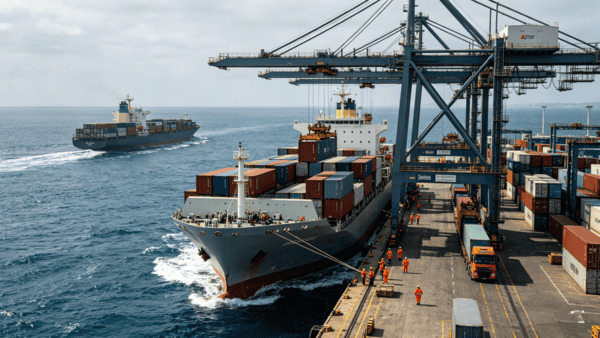
Rotterdam Port: Situated in the Netherlands, Rotterdam Port is one of the largest ports in Europe and a major logistics hub. It has excellent connectivity with inland waterways, railways, and roads, facilitating the distribution of goods across Europe. Rotterdam Port can handle various types of cargo, including containers, bulk commodities, and liquid bulk. It offers a high level of service and advanced cargo-handling technology.
Hamburg Port: As a key port in Germany, Hamburg Port is an important gateway to central and eastern Europe. It has a wide range of specialized terminals, such as container terminals, bulk cargo terminals, and roll-on/roll-off terminals. Hamburg Port is known for its efficient operations and strict compliance with European regulations. It also serves as a transshipment point for many goods destined for other parts of Europe.
Antwerp Port: Located in Belgium, Antwerp Port is a major port in north-western Europe. It is highly specialized in handling containerized cargo, chemicals, and automobiles. Antwerp Port has a strategic location, being close to major European markets. It offers a large number of shipping connections to China and has modern facilities to ensure smooth cargo handling.
What is the Transit Time from China to Europe?
Direct Voyages: Direct voyages from China to Europe generally take around 25-35 days, depending on the specific departure and destination ports. For example, a direct shipment from Shanghai to Rotterdam may take approximately 30 days. Direct voyages are preferred for high-value, time-sensitive goods, as they minimize the risk of damage and delays associated with transshipment.
Transit Voyages: Most shipments from China to Europe are via transit routes. These usually involve transshipment at major international hub ports, such as Singapore or ports in the Middle East. Transit voyages generally take around 40-50 days. Although they take longer, transit voyages offer more flexibility in terms of shipping schedules and can be more cost-effective for some types of goods, especially large-volume, less time-sensitive cargo.
What are the Shipping Costs and What Factors Influence Them?
The shipping costs from China to Europe vary widely, generally ranging from $1500-$5000 per 40-foot container. The cost components include ocean freight, terminal handling charges (THC), bunker adjustment factor (BAF), currency adjustment factor (CAF), and other possible surcharges.
Market Supply and Demand: This is a significant factor influencing shipping costs. During peak seasons, such as the pre-Christmas period in Europe and major trade fairs, the demand for shipping space increases, leading to an upward adjustment of ocean freight rates. Conversely, in the off-season, when demand is lower, rates tend to decline.
Fuel Prices: Fluctuations in international fuel prices directly impact the bunker adjustment factor. When fuel prices rise, shipping companies increase the BAF to cover the higher fuel costs, resulting in an overall increase in shipping costs.
Goods Type and Volume: The type of goods being shipped affects the cost. Oversized, overweight, or hazardous goods may require special handling and transportation arrangements, incurring additional charges. Additionally, large-volume shipments may sometimes be eligible for volume-based discounts.
What Key Considerations Should Freight Forwarders Keep in Mind?
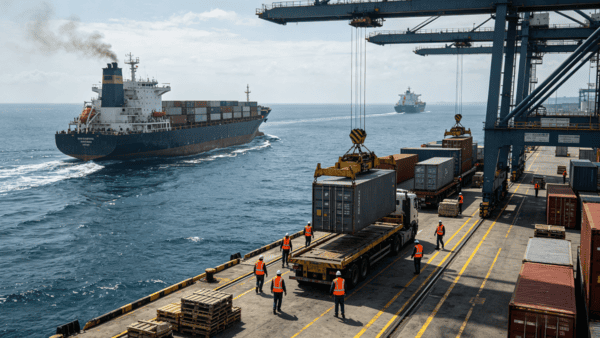
Peak Season Planning: The peak season for shipping from China to Europe is usually from September to January. Freight forwarders should plan ahead and book shipping space at least 2-3 weeks in advance. They should also communicate with clients about potential delays and cost increases during this period, helping them adjust their production and shipping schedules accordingly.
Documentation Accuracy: Ensuring the accuracy of shipping documents is of utmost importance. Errors in commercial invoices, such as incorrect product descriptions or inaccurate value declarations, can lead to customs clearance issues in Europe. Freight forwarders need to double-check all documents and stay updated on any changes in European customs regulations.
Compliance with Regulations: Freight forwarders must ensure that the goods comply with all European regulations, including product safety standards, environmental regulations, and import restrictions. For example, certain electronic products need to meet the Restriction of Hazardous Substances (RoHS) directive. Staying informed about these regulations and communicating with clients about compliance requirements is crucial.
Conclusion
Shipping from China to Europe is a complex but essential part of international trade. By understanding the trade overview, main ports, transit times, shipping costs, and key considerations, freight forwarders can better navigate this shipping route. This knowledge enables them to provide more efficient services, ensure the timely delivery of goods, and contribute to the growth of trade between China and Europe.
Last
When Is the Peak Season for Shipping from China to the US_
In China-US cross-border trade, shipping from China to the US is the core and most commonly used transportation method. Its shippi
Next
How to Choose a Freight Forwarder for China to US Shipping_
As the core cross-border logistics carrier for Sino-US trade, China to US shipping undertakes the transportation needs of a large

