




The shipping route from China to Malaysia is a significant artery in the Southeast Asian trade network. Given the strong economic ties between the two countries, freight forwarders play a crucial role in ensuring the seamless transportation of goods. This guide will delve into various aspects of shipping from China to Malaysia, covering trade overview, ports, transit times, costs, and key considerations.
What is the Trade Overview between China and Malaysia?
China and Malaysia have a long-standing and robust trade relationship. China is one of Malaysia's largest trading partners. China exports a diverse range of products to Malaysia, with electronics, machinery, textiles, and furniture being among the top categories. Chinese electronics, such as smartphones, laptops, and consumer electronics, are highly sought-after in the Malaysian market due to their competitive prices and technological features. Machinery exports include industrial machinery, construction equipment, and agricultural machinery, which support Malaysia's industrial development, infrastructure building, and agricultural modernization.
Textiles from China, known for their quality and variety, are popular in Malaysia for both domestic consumption and re-export. Furniture, with its stylish designs and reasonable prices, also contributes significantly to China's exports to Malaysia. On the other hand, Malaysia exports palm oil, rubber products, natural gas, and electronic components to China. Palm oil is in high demand in China for the food, cosmetics, and bio-fuel industries. Rubber products, given China's large-scale manufacturing needs, are used in various sectors such as automotive and construction. Malaysian-made electronic components are also important for China's electronics manufacturing supply chain. Additionally, Malaysia exports tropical fruits like durian, which have gained popularity in the Chinese market in recent years.
What are the Main Departure Ports in China for Shipping to Malaysia?
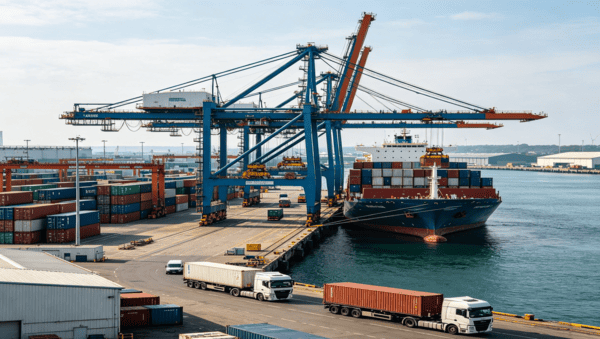
Shanghai Port: As one of the world's busiest and largest ports, Shanghai Port offers comprehensive shipping services. It is equipped with state-of-the-art facilities for handling different types of cargo, including containers, bulk, and break-bulk goods. Its strategic location at the mouth of the Yangtze River allows it to collect goods from a vast hinterland across China. Shanghai Port has a high frequency of shipping lines to Malaysia, providing shippers with a wide range of shipping schedules. The port's advanced terminal management system ensures efficient loading and unloading operations, reducing the turnaround time for vessels bound for Malaysia. Moreover, Shanghai Port has a well-developed logistics ecosystem, with numerous freight forwarders, customs brokers, and warehousing services available to support the shipping process.
Shenzhen Port: Comprising multiple port areas such as Yantian and Shekou, Shenzhen Port is a major shipping hub in southern China. Benefiting from its proximity to the Pearl River Delta's manufacturing base, it can ensure a stable supply of export goods. Shenzhen Port is highly efficient in handling containerized cargo and has a reputation for its fast-paced operations. It offers a variety of shipping options to Malaysia, catering to different customer requirements. The port also has strong connectivity with inland transportation networks, facilitating the movement of goods from manufacturing sites to the port. Additionally, Shenzhen Port is constantly upgrading its facilities to handle larger vessels and increasing cargo volumes, making it an attractive choice for shipping to Malaysia.
Guangzhou Port: Located in the heart of the Pearl River Delta, Guangzhou Port has a long-standing history in international trade. It has modern terminals capable of handling large volumes of cargo. The port's location provides easy access to the rich manufacturing resources in the region. Guangzhou Port has regular shipping services to Malaysia, making it a popular choice for shippers in southern China. In recent years, Guangzhou Port has been focusing on improving its environmental performance and implementing sustainable development measures. This not only benefits the local environment but also aligns with the growing global trend towards green shipping, which may be appealing to environmentally-conscious shippers sending goods to Malaysia.
What are the Key Destination Ports in Malaysia?
Port Klang: As the largest port in Malaysia, Port Klang is a major international shipping hub. It serves as a gateway for goods entering and leaving Malaysia. The port has a wide range of specialized terminals, including container terminals, bulk cargo terminals, and liquid bulk terminals. Port Klang's strategic location on the west coast of Peninsular Malaysia allows it to handle a large volume of transshipment cargo as well. It has excellent connectivity with Malaysia's railway and road networks, enabling efficient distribution of goods across the country. The port also offers a high level of service, with advanced cargo-handling technology and experienced staff. Moreover, Port Klang is constantly expanding and upgrading its facilities to meet the growing demand for shipping in the region.
Penang Port: Situated on the northwest coast of Peninsular Malaysia, Penang Port is an important port for the northern region of the country. It has a long-established reputation for handling various types of cargo, including containers, break-bulk, and liquid bulk. Penang Port is known for its efficient operations and its ability to handle niche cargoes. It has good connectivity with the local industrial areas, facilitating the import and export of goods for local industries. In addition, the port has been investing in modernizing its infrastructure to improve its competitiveness, such as upgrading its berths and installing advanced cargo-handling equipment.
Johor Port: Located in the southern part of Peninsular Malaysia, Johor Port is strategically positioned near the Straits of Malacca. It is mainly focused on handling containerized cargo and bulk commodities. Johor Port has a growing role in Malaysia's trade, especially with neighboring countries and regions. The port has been developing its facilities to handle larger vessels and increasing cargo volumes. It also offers value-added services such as container stuffing and unstuffing, warehousing, and logistics solutions, which are beneficial for shippers using this port for their goods from China.
What is the Transit Time from China to Malaysia?
Direct Voyages: Direct voyages from China to Malaysia are common. Depending on the departure port in China and the destination port in Malaysia, the transit time usually ranges from 5-10 days. For example, a direct shipment from Shanghai to Port Klang may take around 7-10 days, while from Shenzhen to Penang Port could take approximately 5-8 days. Direct voyages are preferred for time-sensitive goods, as they minimize the risk of damage and delays associated with transshipment. The relatively short transit time also means that goods can reach the Malaysian market quickly, which is beneficial for businesses that need to restock their inventory promptly.
Transit Voyages: Transit voyages are sometimes chosen by shippers for various reasons. These may involve transshipment at regional ports such as Singapore. Although direct services are frequent, transit voyages can offer more flexibility in terms of shipping schedules or cost-effectiveness for certain types of cargo. Transit voyages may take slightly longer, around 8-15 days, depending on the transit port and the shipping schedule. Shippers might opt for transit voyages if they need to combine cargo from different origins or if they are looking for more cost-efficient shipping options. However, it's important to note that transit voyages may carry a slightly higher risk of delays due to potential issues at the transit port.
What are the Shipping Costs and What Factors Influence Them?
The shipping costs from China to Malaysia vary, typically ranging from $600-$2500 per 40-foot container. The cost components include ocean freight, terminal handling charges (THC), bunker adjustment factor (BAF), currency adjustment factor (CAF), and other possible surcharges.
Market Supply and Demand: Market fluctuations have a significant impact on shipping costs. During peak seasons, such as Malaysia's festive periods like Hari Raya or when there is high demand for specific products, the demand for shipping space increases, leading to an upward adjustment of ocean freight rates. Conversely, in the off-season, rates may decline. For instance, during the lead-up to Hari Raya, the demand for consumer goods from China, such as clothing, electronics, and food items, surges, driving up the shipping costs.
Fuel Prices: International fuel price changes directly affect the bunker adjustment factor. When fuel prices rise, shipping companies increase the BAF to cover the higher fuel costs, resulting in an overall increase in shipping costs. Any geopolitical tensions in major oil-producing regions or natural disasters that disrupt the global oil supply can cause fuel price fluctuations, which in turn impact the shipping costs from China to Malaysia.
Goods Type and Volume: The type of goods being shipped plays a crucial role in determining the cost. Oversized, overweight, or hazardous goods may require special handling and transportation arrangements, incurring additional charges. Large-volume shipments may sometimes be eligible for volume-based discounts. For example, shipping a large quantity of standardized building materials may be more cost-effective per unit due to volume discounts, while shipping hazardous chemicals will involve extra safety measures and higher costs.
Shipping Route and Service Level: The choice of shipping route and service level also affects the cost. Direct voyages generally cost more than transit voyages due to the convenience and shorter transit time. Additionally, premium shipping services that offer faster transit times, more reliable schedules, and better cargo handling may come at a higher cost. Shippers need to balance their requirements for speed, reliability, and cost when choosing a shipping service.
What Key Considerations Should Freight Forwarders Keep in Mind?
Documentation Accuracy: Ensuring the accuracy of shipping documents is of utmost importance. Errors in commercial invoices, bills of lading, or packing lists can lead to delays in customs clearance in Malaysia. Freight forwarders should double-check all documents and stay updated on any changes in Malaysian customs regulations. They need to ensure that the product descriptions, quantities, values, and other details are accurately stated. For example, incorrect HS codes can result in misclassification of goods, leading to incorrect duty calculations and potential delays.
Compliance with Regulations: Shippers must ensure that the goods comply with Malaysia's import regulations. This includes product safety standards, environmental regulations, and import restrictions. For example, certain electronics may need to meet Malaysia's SIRIM (Standards and Industrial Research Institute of Malaysia) certification requirements. Food products must adhere to strict regulations regarding hygiene and labeling. Freight forwarders should communicate these requirements clearly to their clients and help them ensure compliance. They should also keep an eye on any changes in regulations, such as new restrictions on certain chemicals or updated safety standards for consumer products.
Weather and Seasonal Considerations: Weather conditions can impact shipping schedules. The South China Sea, where the shipping route from China to Malaysia lies, is prone to typhoons and monsoon rains during certain seasons. Freight forwarders should be aware of these seasonal weather patterns and communicate potential delays to clients in advance. They can work with shipping lines to develop contingency plans, such as alternative routes or storage options in case of weather-related disruptions. For example, during the typhoon season, it may be necessary to hold the shipment at the port of origin until the weather improves to avoid potential damage to the goods and delays at sea.
Cultural and Business Etiquette: Given the cultural differences between China and Malaysia, freight forwarders should also be aware of cultural and business etiquette. For example, during religious festivals in Malaysia, business operations may slow down. Freight forwarders should plan their shipments accordingly and respect the local customs and traditions. This can help build better relationships with local partners and ensure smoother shipping operations.
Conclusion
Shipping from China to Malaysia is a complex yet essential part of the Southeast Asian trade landscape. By understanding the trade overview, main ports, transit times, shipping costs, and key considerations, freight forwarders can better manage shipments between the two countries. This knowledge enables them to provide more efficient services, ensure the timely delivery of goods, and strengthen the trade relationship between China and Malaysia. It's important for freight forwarders to stay updated on market trends, regulatory changes, and any other factors that may impact the shipping process to remain competitive in this dynamic trade route.
Last
China to US Sea Freight_ West Coast Ports vs East Coast Ports Comparison
As the core and most economical logistics method in Sino-US cross-border trade, China to US sea freight carries more than 70% of t
Next
Shipping from China to South Korea: The Vital Maritime Link in Northeast Asian Trade
China and South Korea, being important economies in Northeast Asia, enjoy a close-knit trade relationship. Sea freight acts as a c

