




Effective communication is a cornerstone of smooth international freight operations, especially when navigating the Customs Inspection Process. It bridges gaps between forwarders, customs authorities, clients, and other stakeholders, minimizing delays and ensuring compliance.
What Is Communication Management in the Customs Inspection Process?
Communication management in the Customs Inspection Process refers to the strategic coordination of information exchange between all parties involved in a shipment’s inspection. It ensures clear, timely, and accurate sharing of details to avoid misunderstandings and streamline procedures.
Forwarders should note that communication management is not just about relaying messages—it involves proactive listening, careful documentation, and adaptive responses to changing circumstances during inspections. Poor communication often leads to unnecessary delays, increased costs, and compliance risks, which can damage client trust and operational efficiency.
According to UNCTAD 2025 data, ineffective communication contributes to 38% of all customs inspection delays globally, resulting in an average of 52 extra hours of holding time per affected shipment. This highlights the critical role of intentional communication management in the Customs Inspection Process.
Why Is Effective Communication Critical During Customs Inspections?
Effective communication during customs inspections is critical because it ensures all parties have consistent information, reduces the risk of errors, and accelerates the inspection process. It also helps resolve discrepancies quickly and maintains positive relationships with customs authorities.
The recommended approach is to view communication as a proactive tool rather than a reactive measure. By establishing clear communication channels early, forwarders can anticipate potential issues, address concerns promptly, and keep all stakeholders informed—from the moment a shipment is selected for inspection to its final clearance.
A common mistake is treating communication as an afterthought, only engaging with stakeholders once a problem arises. This reactive approach often exacerbates delays, as critical information may be missing or miscommunicated, leading to repeated follow-ups and extended inspection times.
According to the World Customs Organization (WCO) 2025 data, shipments handled by forwarders with robust communication protocols experience 32% shorter inspection times compared to those with inconsistent communication practices. This data underscores the tangible benefits of prioritizing communication in the Customs Inspection Process. The WCO’s 2025 Interconnectivity Framework for Certificates of Origin also emphasizes that standardized communication protocols are key to streamlining cross-border trade and reducing inspection delays.
Who Are the Key Stakeholders in Customs Inspection Communication?
The key stakeholders in customs inspection communication include freight forwarders, customs authorities, clients (shippers/receivers), customs brokers, port operators, and laboratory personnel (for sampled goods). Each plays a unique role in information exchange.
Freight Forwarders: Act as the central hub of communication, coordinating between all stakeholders, relaying information from customs to clients, and ensuring compliance with inspection requirements, including proper documentation of all communication exchanges.
Customs Authorities: Issue inspection notifications, clarify regulatory requirements, and share inspection findings with forwarders or customs brokers. Clear communication from customs helps forwarders address non-compliance issues promptly and avoid penalties.
Clients (Shippers/Receivers): Provide accurate shipment details (including HS codes and commodity descriptions), respond to requests for additional information, and make decisions related to discrepancies or corrective actions such as supplementary documentation.
Customs Brokers: Facilitate communication between forwarders and customs authorities, interpret regulatory language, verify that documentation aligns with local customs requirements, and assist in resolving communication-related discrepancies.
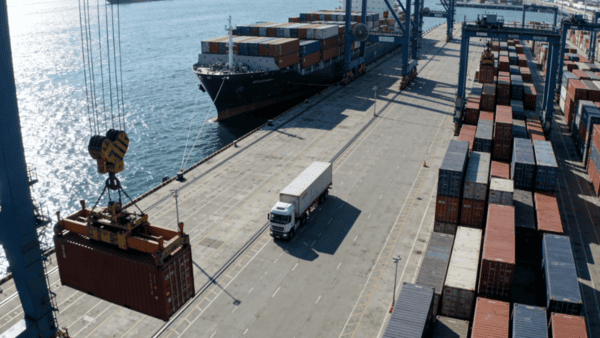
Port Operators: Share real-time information about shipment location, container storage availability, and handling requirements, which is critical for coordinating on-site inspections and avoiding demurrage fees.
Laboratory Personnel: Communicate sample test results and turnaround times to forwarders, helping them manage client expectations and plan subsequent steps in the supply chain.
Forwarders should note that neglecting any stakeholder in the communication process can lead to gaps in information. For example, failing to update port operators on inspection timelines may result in missed handling windows, while not engaging clients promptly about discrepancies can delay corrective actions and increase storage costs.
What Are the Common Communication Challenges During Customs Inspections?
Common communication challenges during customs inspections include language barriers, inconsistent information sharing, delayed responses, unclear regulatory guidance, and misaligned stakeholder expectations. These challenges often lead to inefficiencies and compliance risks.
Language Barriers: Differences in language between forwarders, customs officers, and international clients can lead to misinterpretation of regulatory requirements or inspection findings. This is particularly common in cross-border shipments involving non-English speaking countries, where technical terminology may be mistranslated.
Inconsistent Information Sharing: Discrepancies in information between shipping documents (e.g., bill of lading vs. commercial invoice) or between stakeholders create confusion and may trigger additional inspections or cargo holds.
Delayed Responses: Slow responses from clients or brokers to customs requests for additional information can extend inspection times, leading to demurrage or storage fees. According to Ecer Freight 2025 Q1 data, delayed client responses account for 45% of inspection-related cost overruns, with an average additional expense of $1,200 per affected shipment.
Unclear Regulatory Guidance: Ambiguous or frequently changing customs regulations, when not communicated clearly, can lead to unintentional non-compliance. Forwarders often struggle to keep up with updates across multiple jurisdictions, especially as digitalization of customs processes introduces new protocols.
Misaligned Expectations: Clients may have unrealistic timelines for customs clearance, while customs authorities prioritize regulatory compliance over speed. Poor communication about these priorities can lead to client dissatisfaction and strained business relationships.
A common mistake is assuming that all stakeholders have the same level of knowledge about the Customs Inspection Process. Forwarders often fail to explain inspection timelines, risk factors, or regulatory requirements clearly to clients, leading to frustration when delays occur.
How to Establish Effective Communication Channels for Customs Inspections?
Establishing effective communication channels involves selecting appropriate tools, defining clear protocols, and ensuring all stakeholders have access to the information they need. This structured approach reduces confusion and accelerates the inspection process.
Select Appropriate Communication Tools: Use a mix of tools tailored to stakeholder needs, such as email for formal documentation (e.g., inspection notifications), instant messaging platforms for urgent updates, and cloud-based TMS (Transportation Management Systems) for real-time shipment tracking. Many forwarders use cloud-based systems to centralize communication and ensure all parties have access to the latest information.
Define Clear Communication Protocols: Establish guidelines for when and how to communicate, including response time expectations (e.g., 24-hour response for non-urgent requests, 4-hour response for urgent issues such as customs holds). The recommended approach is to document these protocols and share them with all stakeholders at the start of a shipment.
Assign Dedicated Communication Contacts: Designate a single point of contact (SPOC) within the forwarder’s team for each shipment, as well as a backup contact. This avoids confusion from multiple team members communicating with customs authorities or clients.
Use Standardized Communication Templates: Create templates for common communications, such as inspection notifications to clients, requests for additional documentation, and updates on inspection progress. This ensures consistency and reduces the risk of missing critical details such as shipment IDs or inspection reference numbers.
Integrate Communication with Documentation: Link communication records (e.g., emails, messages, call logs) to shipment documentation in a centralized system. This allows forwarders to quickly reference past communications if questions arise during inspections or audits.
Forwarders should note that communication channels should be adaptable. For example, in regions with limited internet access, phone calls or fax may be more reliable than digital tools, while in major ports, electronic communication systems (such as the WCO’s recommended digital platforms) are often preferred by customs authorities.
How to Communicate Effectively with Customs Authorities During Inspections?
Communicating effectively with customs authorities requires professionalism, clarity, and preparedness. It involves providing accurate information, responding promptly to requests, and maintaining a cooperative attitude to build trust and facilitate smooth clearance.
Be Prepared with Documentation: Before engaging with customs authorities, ensure all required shipping documents are complete, organized, and accurate. This includes the bill of lading (B/L), commercial invoice, packing list, certificate of origin (COO), and any necessary permits or licenses. Having documentation readily available demonstrates professionalism and speeds up the inspection process.
Speak Clearly and Concisely: When communicating with customs officers, use clear, straightforward language and avoid industry jargon that may be unfamiliar to non-specialists. If language is a barrier, use a professional translator or work with a customs broker who is fluent in the local language and familiar with customs terminology.
Respond Promptly to Requests: Customs authorities often have tight timelines for processing shipments, so responding to requests for additional information or clarification within the specified timeframe is critical. The recommended approach is to acknowledge requests immediately and provide updates if additional time is needed to gather required details.
Be Transparent About Discrepancies: If discrepancies are identified between declared and actual goods (e.g., quantity mismatches or incorrect commodity descriptions), communicate them proactively to customs authorities. Hiding discrepancies can lead to penalties, cargo seizure, or damage to trust, while transparency often results in more collaborative resolution.
Build Long-Term Relationships: Regular, respectful communication with local customs officers can help forwarders navigate complex inspections more smoothly. Taking the time to understand customs priorities, such as compliance with digital documentation standards, demonstrates a commitment to regulatory adherence.
A common mistake is becoming defensive when customs officers identify issues. Instead, forwarders should approach communication with a problem-solving mindset, focusing on resolving discrepancies rather than arguing about them. This cooperative approach often leads to faster clearance and more positive interactions with customs authorities.
How to Communicate with Clients During Customs Inspections?
Communicating with clients during customs inspections involves setting realistic expectations, providing regular updates, and explaining complex information in accessible terms. This helps maintain client trust and manage frustration during delays.
Set Expectations Early: Before a shipment departs, inform clients about the possibility of customs inspections, typical timelines (e.g., 24–72 hours for standard inspections), and potential delays due to high-risk cargo or regulatory changes. This reduces surprise and frustration if an inspection occurs.
Provide Regular Updates: During an inspection, update clients at key milestones (e.g., when inspection is notified, when on-site checks begin, when results are expected). The recommended approach is to provide updates at least once every 24 hours, even if there are no changes, to maintain transparency.
Explain Inspection Findings Clearly: If discrepancies are found, explain them to clients in simple language, avoiding technical jargon. Clearly outline the required corrective actions, timelines, and potential costs (e.g., fines, storage fees, or reclassification of goods).
Involve Clients in Decision-Making: When corrective actions are needed (e.g., providing additional documentation, adjusting the customs declaration), involve clients in the decision-making process. This ensures they understand the implications and can provide necessary information promptly.
Follow Up After Clearance: After the shipment is cleared, follow up with clients to confirm receipt, provide a summary of the inspection process, and address any remaining questions. This demonstrates accountability and reinforces trust.
Forwarders should note that clients often care more about transparency than perfection. Even if an inspection leads to delays, consistent, honest communication can help maintain long-term client relationships. According to a 2025 pre-survey preview from the International Federation of Freight Forwarders Associations (FIATA), 91% of clients prioritize transparent communication over faster clearance when issues arise, reflecting a growing emphasis on reliability in global logistics.
How to Resolve Communication-Related Discrepancies During Inspections?
Resolving communication-related discrepancies involves identifying the root cause, clarifying information with all stakeholders, and taking corrective actions to prevent future issues. This proactive approach minimizes delays and ensures compliance.
Identify the Root Cause: When a discrepancy arises (e.g., mismatched documentation, misinterpreted regulatory requirements), first determine whether it stems from poor communication, inaccurate information provided by the client, or a misunderstanding of local customs regulations. This helps target the correct solution.
Clarify Information with Customs: If the discrepancy is due to miscommunication with customs authorities, request a clear written explanation of the issue and the required corrective actions. The recommended approach is to document this clarification in writing to avoid future misunderstandings and maintain a record for audits.
Update Stakeholders Promptly: Once the root cause is identified, inform all relevant stakeholders (e.g., clients, customs brokers, port operators) about the discrepancy and the steps being taken to resolve it. This keeps everyone aligned and reduces confusion.
Implement Corrective Actions: Take immediate steps to address the discrepancy, such as updating documentation, providing additional information, or adjusting the customs declaration to reflect accurate shipment details. Ensure all actions are documented for future reference and audit purposes.
Prevent Future Discrepancies: After resolving the issue, review communication protocols to identify areas for improvement. For example, if a discrepancy occurred due to unclear client instructions, update client onboarding processes to collect more detailed information upfront, such as specific commodity characteristics or regulatory requirements.
A common mistake is rushing to resolve a discrepancy without first clarifying the issue with all stakeholders. This can lead to incorrect corrective actions, further delays, and additional costs. Taking the time to gather all information and align on the solution is critical for effective resolution.
How to Leverage Technology to Improve Communication During Customs Inspections?
Leveraging technology can streamline communication during customs inspections by centralizing information, enabling real-time updates, and reducing manual errors. Many forwarders use digital tools to enhance collaboration and efficiency, aligning with industry trends toward digitalization.
Use Cloud-Based Communication Platforms: Cloud-based TMS (Transportation Management Systems) and collaboration tools allow all stakeholders to access real-time information, including inspection status, documentation, and communication records. This eliminates the need for multiple email chains and ensures everyone has the latest updates.
Implement Automated Notification Systems: Automated systems can send instant alerts to forwarders, clients, and brokers when an inspection is notified, when a request for information is made, or when inspection results are available. This reduces the risk of missed updates and ensures timely responses.
Utilize Electronic Documentation Portals: Electronic portals (such as those aligned with the WCO’s Interconnectivity Framework) allow forwarders to submit documentation to customs online, track its status, and receive feedback in real time. According to Shanghai Shipping Exchange 2025 data, forwarders using electronic documentation portals experience 35% faster document processing times during inspections, with blockchain technology further enhancing traceability and trustworthiness of records.
Adopt Translation Tools for Multilingual Communication: AI-powered translation tools (specialized in logistics and customs terminology) can help bridge language barriers, providing accurate translations of regulatory requirements, inspection findings, and client communications. This is particularly useful for forwarders operating in multiple international markets.
Use Data Analytics to Identify Communication Gaps: Data analytics tools integrated into TMS platforms can track communication metrics (e.g., response times, frequency of updates) to identify areas for improvement. For example, if client response times are consistently slow, forwarders can adjust their communication protocols to encourage faster feedback, such as automated reminders.
Forwarders should note that while technology can greatly improve communication, it should not replace human interaction. Critical issues, such as complex discrepancies or sensitive compliance matters, often require direct communication to ensure clarity and understanding.
What Are the Best Practices for Communication Compliance During Customs Inspections?
Communication compliance during customs inspections involves ensuring all communications are accurate, transparent, and aligned with regulatory requirements. This helps forwarders avoid penalties, cargo holds, and damage to their reputation.
Document All Communications: Keep detailed records of all communications with customs authorities, clients, brokers, and other stakeholders. This includes emails, instant messages, phone call notes, and meeting minutes. These records may be required for customs audits, dispute resolution, or compliance reviews.
Ensure Accuracy in All Information: Avoid providing false or misleading information to any stakeholder. Inaccurate communication can lead to compliance violations, substantial penalties, and damage to the forwarder’s reputation. The recommended approach is to verify all information (e.g., commodity descriptions, quantities, values) before sharing it with customs or clients.
Comply with Data Privacy Regulations: When sharing sensitive information (e.g., client data, shipment details, trade secrets), ensure compliance with data privacy laws, such as the General Data Protection Regulation (GDPR) in the EU or China’s Personal Information Protection Law (PIPL). This includes securing communication channels with encryption and limiting access to sensitive data to authorized personnel only.
Avoid Misrepresenting Inspection Outcomes: Be honest with clients about inspection results, even if they are unfavorable. Misrepresenting outcomes (e.g., downplaying delays or discrepancies) can lead to legal issues, lost trust, and long-term damage to client relationships.
Train Staff on Communication Compliance: Provide regular training to staff on communication best practices, regulatory requirements, and data privacy rules. This ensures all team members understand their responsibilities and can communicate effectively while maintaining compliance, especially as digital communication tools and regulations evolve.
A common mistake is failing to document verbal communications, such as phone calls with customs officers or client discussions. These verbal exchanges can be critical in resolving disputes or demonstrating compliance during audits, so it is important to record key details immediately after the call.
Key Compliance Reminders for Verbal Communications
When engaging in verbal communications with customs authorities or stakeholders, forwarders should document the date, time, participants, key discussion points, and any agreed-upon actions. This documentation should be stored in the same centralized system as other shipment records to ensure easy access during inspections or audits.
In conclusion, effective communication management is an essential component of navigating the Customs Inspection Process successfully. By understanding the key stakeholders, addressing common challenges, establishing clear channels, and leveraging technology aligned with industry standards, forwarders can minimize delays, ensure compliance, and maintain strong relationships with clients and customs authorities. Prioritizing proactive, transparent communication not only streamlines the inspection process but also strengthens the forwarder’s reputation as a reliable partner in international freight operations. Mastering communication during the Customs Inspection Process is key to long-term success in the global logistics industry, especially as digitalization continues to reshape cross-border trade practices.
Last
Crisis Response: How to Effectively Handle a Customs Inspection
In the dynamic landscape of international freight forwarding, customs inspection is an inevitable part of cross-border trade. Forw
Next
Navigating the Physical Customs Inspection Process at the Port
For global freight forwarders, mastering the Customs Inspection Process is essential to ensuring smooth port operations, minimizin

