






In the complex landscape of international freight forwarding, mastering the Import Customs Clearance Process is critical for ensuring smooth, compliant, and cost-effective cargo movement. For forwarders worldwide, understanding each step of this process not only minimizes delays but also builds trust with clients and avoids costly penalties.
What Is the Import Customs Clearance Process?
The Import Customs Clearance Process refers to the formal procedures that goods must go through when entering a country, involving declaration to customs authorities, document verification, duty assessment, and final release. It ensures compliance with local laws, regulations, and trade policies, serving as a bridge between global trade and national border control.
This process is not a one-size-fits-all procedure; it varies by country, commodity type, and trade agreements, but the core principles of compliance, documentation, and transparency remain consistent across jurisdictions. Forwarders should note that overlooking even a single step in this process can lead to cargo detention, fines, or even the seizure of goods, which directly impacts client relationships and business profitability.
According to UNCTAD 2025 data, global trade is expected to reach 35 trillion US dollars for the first time, with a significant portion of this trade involving complex import clearance procedures that require meticulous attention to detail. As global supply chains continue to recover from disruptions, the efficiency of the Import Customs Clearance Process has become a key differentiator for forwarders competing in the international market.
Why Is Compliant Import Customs Clearance Critical for Forwarders?
Compliant import customs clearance is essential for forwarders because it ensures cargo moves through borders without unnecessary delays, avoids legal penalties, and upholds the reputation of both the forwarder and their clients. Non-compliance can result in financial losses, damaged credibility, and even suspension of business operations in some regions.
A common mistake is assuming that compliance is a one-time task rather than an ongoing commitment. In reality, customs regulations are constantly evolving—for example, China’s General Administration of Customs (GAC) regularly updates its declaration requirements, as seen in its official circulars that outline specific scenarios for modifying or revoking customs declarations. Forwarders who fail to stay updated on these changes risk non-compliance, even if they have followed established procedures in the past.
The recommended approach is to view compliant clearance as a strategic investment rather than a bureaucratic burden. According to the latest China Customs data (2025), imports reached 19.2 trillion yuan, with 6.1% growth in mechanical and electrical products—categories that often require complex clearance documentation. Forwarders who prioritize compliance are better positioned to handle these high-value shipments and attract clients looking for reliable, low-risk partners.
What Are the Core Stages of the Import Customs Clearance Process?
The Import Customs Clearance Process consists of several sequential stages, each with specific requirements and documentation. These stages are designed to ensure that goods are properly declared, inspected (if necessary), and cleared for entry, while adhering to all relevant laws and regulations.
1. Pre-Arrival Preparation: What Do Forwarders Need to Do Before Cargo Arrives?
Pre-arrival preparation is the foundation of a smooth clearance process, involving document collection, commodity classification, and compliance checks before the cargo reaches the destination port. This stage is critical for avoiding delays once the goods arrive.
Collect and Verify Key Documents: Gather all required documents, including the commercial invoice, packing list, bill of lading (B/L) or airway bill (AWB), certificate of origin, and any special permits (e.g., for restricted goods). Forwarders should note that incomplete or inaccurate documents are the leading cause of clearance delays, as highlighted by common declaration errors identified by China Customs.
Classify Commodities Correctly: Use the appropriate Harmonized System (HS) code for each commodity, as this determines the applicable duties, taxes, and regulatory requirements. A common mistake is misclassifying goods, which can lead to underpayment or overpayment of duties, as well as potential penalties. The recommended approach is to consult the latest HS code updates and, if necessary, seek guidance from customs authorities or professional classification services.
Check for Restrictions or Prohibitions: Verify if the goods are subject to any import restrictions, quotas, or prohibitions in the destination country. For example, certain electronic components may require additional certifications, while agricultural products often need inspection certificates to ensure compliance with food safety standards. According to the ITC Market Access Map 2025, approximately 18% of global imports involve goods with specific regulatory restrictions, making this step essential for forwarders.
2. Cargo Arrival and Declaration: How to Submit a Compliant Declaration?
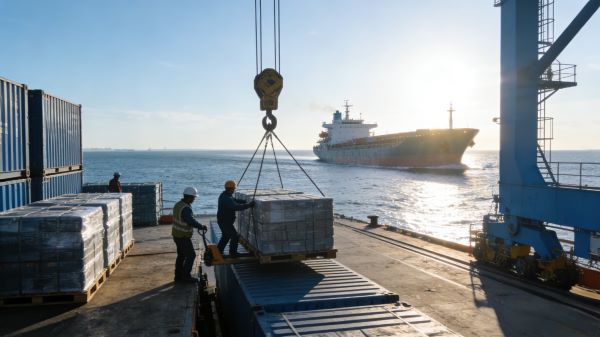
Once the cargo arrives at the destination port, the next stage involves submitting a formal declaration to the customs authorities, providing detailed information about the goods, their value, and their origin. This stage requires accuracy and adherence to local declaration rules.
Submit Electronic or Paper Declaration: Most countries, including China, require electronic data declarations through a customs portal, as specified in the Administrative Regulations on the Declaration of Import and Export Goods of the People's Republic of China. Electronic declarations are processed faster than paper ones, but forwarders must ensure that the electronic data matches any accompanying paper documents. In special cases, paper declarations may be allowed with prior customs approval.
Provide Accurate Cargo Details: Include detailed information such as the commodity name, quantity, unit of measurement, value, origin, and intended use. A common mistake is inaccurately reporting the cargo value or quantity—for example, confusing metric and imperial units or failing to include all costs (e.g., shipping, insurance) in the declared value. Forwarders should note that customs authorities often verify these details against the commercial invoice and packing list, and discrepancies can lead to delays or audits.
Adhere to Declaration Timelines: Import declarations must be submitted within the timeframe specified by local customs. For example, in China, import cargo declarations must be submitted within 14 days of the transport vehicle’s entry into the country, as outlined in the Administrative Regulations on the Declaration of Import and Export Goods. Failure to meet these timelines can result in demurrage fees and additional penalties.
3. Customs Inspection and Verification: What to Expect During Inspection?
Customs inspection is a routine part of the clearance process, where authorities verify that the declared information matches the actual goods. Inspections can be random or targeted, based on risk assessment, commodity type, or prior non-compliance history.
Prepare for Inspection: Ensure that the cargo is easily accessible for inspection and that all documents are readily available. Forwarders should note that cooperating with customs inspectors and providing prompt responses to their questions can speed up the inspection process. The recommended approach is to assign a dedicated team member to handle inspection-related tasks, ensuring continuity and efficiency.
Address Discrepancies Promptly: If inspectors identify discrepancies between the declared information and the actual goods, forwarders must act quickly to resolve them. This may involve submitting additional documentation, correcting the declaration, or providing explanations for the discrepancies. According to China Customs 2025 data, approximately 9.2% of import declarations require some form of correction or additional documentation following inspection, emphasizing the importance of thorough pre-declaration checks.
Understand Inspection Types: Inspections can range from document checks (verifying the accuracy of submitted documents) to physical inspections (examining the cargo itself) and laboratory tests (for goods such as food, chemicals, or electronics). Forwarders should familiarize themselves with the different inspection types and prepare accordingly—for example, arranging for specialized testing if the cargo is subject to quality or safety standards.
4. Duty and Tax Assessment: How Are Duties Calculated and Paid?
Duty and tax assessment is the stage where customs authorities calculate the amount of duty, value-added tax (VAT), and other fees applicable to the imported goods. The calculation is based on the commodity’s HS code, declared value, and origin, as well as any applicable trade agreements.
Key Principles of Duty Calculation
Duties are typically calculated as a percentage of the goods’ declared value (ad valorem duty), but they can also be based on quantity (specific duty) or a combination of both (compound duty). Forwarders should note that the declared value must include all costs associated with bringing the goods to the destination port, including shipping, insurance, and any other fees, as specified by the WTO Agreement on Customs Valuation.
Maximizing Trade Agreement Benefits
Many countries have free trade agreements (FTAs) that reduce or eliminate duties for goods originating from member countries. For example, goods originating from ASEAN countries may qualify for reduced duties when imported into China, provided they meet the FTA’s rules of origin. The recommended approach is to verify the origin of the goods and apply for FTA benefits where applicable, as this can significantly reduce costs for clients.
Ensuring Timely Duty Payment
Once duties and taxes are assessed, they must be paid within the timeframe specified by customs. Delayed payments can result in interest charges, penalties, or even cargo detention. Forwarders should work closely with their clients to ensure timely payment, and consider offering payment solutions to streamline the process.
5. Cargo Release: What Happens After Clearance Is Approved?
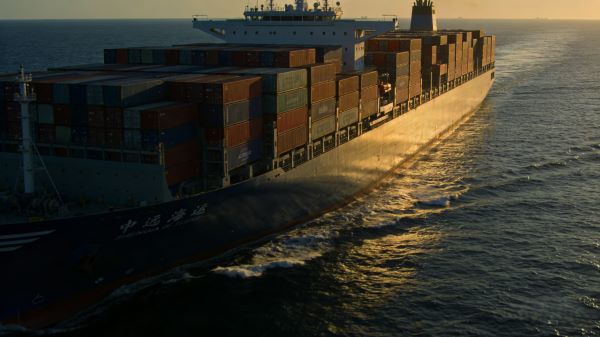
Cargo release is the final stage of the Import Customs Clearance Process, where customs authorities issue a release order, allowing the goods to be picked up, transported, or distributed to their final destination. This stage marks the successful completion of the clearance process.
Obtain the Release Order: Once all duties and taxes are paid and all inspections are completed, customs will issue a release order. Forwarders should verify that the release order is accurate and includes all relevant information, such as the cargo description, quantity, and destination.
Arrange for Cargo Pickup: Coordinate with the carrier or warehouse to pick up the cargo as soon as the release order is obtained. Delaying pickup can result in storage fees, especially at busy ports where warehouse space is limited. According to the Shanghai Shipping Exchange 2025 data, storage fees at major Chinese ports can increase by 18-22% for each additional day of delay, making timely pickup a priority.
Maintain Documentation for Post-Clearance Audits: Forwarders should retain all clearance documents, including the declaration form, commercial invoice, packing list, and release order, for a minimum of 3-5 years (depending on local regulations). Customs authorities may conduct post-clearance audits to verify compliance, and missing or incomplete documentation can lead to penalties even after the cargo has been released.
What Are the Most Common Compliance Challenges for Forwarders?
Forwarders face numerous compliance challenges when managing the Import Customs Clearance Process, from evolving regulations to documentation errors and communication gaps. Understanding these challenges is key to developing effective solutions and ensuring smooth operations.
Evolving Customs Regulations: Customs regulations are constantly changing, with updates to HS codes, duty rates, and documentation requirements. A common mistake is relying on outdated information, which can lead to non-compliance. Forwarders should note that subscribing to regulatory updates from customs authorities and industry associations is an effective way to stay informed. The recommended approach is to establish a dedicated compliance team or partner with a regulatory expert to monitor changes and update procedures accordingly.
Documentation Errors: Incomplete, inaccurate, or missing documentation is one of the most common causes of clearance delays and non-compliance. For example, incorrect currency codes, misreported quantities, or missing certificates of origin can all lead to issues, as highlighted by common declaration error alerts from China Customs. The recommended approach is to implement a document verification process, where all documents are checked for accuracy and completeness before submission.
Communication Gaps Between Stakeholders: The Import Customs Clearance Process involves multiple stakeholders, including forwarders, clients, carriers, and customs authorities. Communication gaps between these stakeholders can lead to misunderstandings, delays, and non-compliance. Forwarders should note that establishing clear communication channels and providing regular updates to all stakeholders can help mitigate these risks. For example, informing clients of documentation requirements early in the process can reduce the likelihood of missing or incorrect documents.
Complex Commodity Classification: Classifying commodities correctly is a complex task, especially for goods with multiple components or uses. A common mistake is misclassifying goods to reduce duty costs, which can result in severe penalties if detected by customs. The recommended approach is to use reliable classification tools, consult with customs experts, and maintain detailed records of classification decisions for future reference.
How Can Forwarders Optimize the Import Customs Clearance Process?
Optimizing the Import Customs Clearance Process involves implementing best practices, leveraging technology, and building strong partnerships, all while maintaining strict compliance. These strategies can help forwarders reduce delays, lower costs, and improve client satisfaction.
Leverage Technology for Automation: Using customs clearance software can automate repetitive tasks, such as document collection, declaration submission, and duty calculation. This not only reduces the risk of human error but also speeds up the clearance process. According to Freightos 2025 Q2 results, forwarders who use automation tools for clearance processes experience a 35% reduction in delays and a 28% reduction in documentation errors.
Build Strong Relationships with Customs Authorities: Establishing positive relationships with local customs authorities can help forwarders resolve issues more quickly and stay informed about regulatory changes. Forwarders should note that regular communication with customs officials, participation in industry meetings, and compliance with all regulations are key to building these relationships.
Train Staff on Compliance and Best Practices: Investing in staff training is essential for ensuring compliance and efficiency. Training should cover topics such as commodity classification, documentation requirements, and regulatory updates. The recommended approach is to provide regular training sessions and refresher courses, as well as encourage staff to obtain professional certifications in customs clearance.
Partner with Local Agents in Destination Countries: Working with local customs agents in the destination country can provide forwarders with valuable insights into local regulations, procedures, and cultural nuances. Local agents can help navigate complex clearance processes, handle inspections, and resolve issues on the ground, reducing the burden on the forwarder and ensuring a smoother experience for clients.
What Role Does Data Play in the Import Customs Clearance Process?
Data plays an increasingly important role in the Import Customs Clearance Process, helping forwarders make informed decisions, improve efficiency, and maintain compliance. From trade data to shipment tracking, data-driven insights can significantly enhance the clearance experience.
Leveraging Trade and Market Data
Forwarders should note that leveraging trade data can help identify trends, optimize routing, and anticipate potential compliance issues. For example, UN Comtrade 2025 data provides detailed information on global import volumes, commodity trends, and trade flows, which can help forwarders prepare for seasonal fluctuations or changes in demand. Similarly, the Freightos Baltic Index (FBX) 2025 data tracks freight rate trends, with the composite index falling 19.7% week-over-week in early July 2025, allowing forwarders to advise clients on cost-saving opportunities.
Avoiding Common Data-Related Mistakes
A common mistake is underutilizing data or relying on inaccurate data, which can lead to poor decision-making and non-compliance. The recommended approach is to invest in data analytics tools that integrate with customs clearance software, providing real-time insights into shipment status, compliance risks, and duty costs. This not only improves efficiency but also helps forwarders proactively address potential issues before they become problems.
Conclusion: Mastering the Import Customs Clearance Process for Long-Term Success
For global货代 companies, mastering the Import Customs Clearance Process is not just a matter of compliance—it is a strategic imperative that drives efficiency, reduces risk, and builds client trust. In an increasingly complex global trade environment, forwarders who prioritize compliance, leverage technology, and stay informed about regulatory changes are better positioned to succeed.
By following the core stages of the process, addressing common compliance challenges, and implementing optimization strategies, forwarders can ensure that their clients’ cargo moves through borders smoothly and cost-effectively. Remember, the Import Customs Clearance Process is a collaborative effort that requires attention to detail, clear communication, and a commitment to continuous improvement. By embracing these principles, forwarders can turn clearance from a bureaucratic burden into a competitive advantage in the global freight industry.
Last
Expediting Cargo: Speeding Up the Import Customs Clearance Process
In the fast-paced world of global freight forwarding, streamlining the Import Customs Clearance Process is a top priority for forw
Next
Faster Dispatch: Optimizing the Export Customs Clearance Process
For global freight forwarders, mastering the Export Customs Clearance Process is critical to ensuring smooth, on-time cargo delive

