






For global freight forwarders, navigating the Export Customs Clearance Process is a critical part of ensuring smooth, on-time shipments and maintaining client trust. In an era of evolving trade regulations and supply chain disruptions, mastering this process is essential to avoiding delays, penalties, and lost business opportunities.
What Exactly Is the Export Customs Clearance Process?
The Export Customs Clearance Process refers to the formal procedures that goods must go through before leaving a country, involving declarations to customs authorities, document verification, and compliance checks to ensure all legal requirements are met. It is a mandatory step for all international shipments, designed to regulate trade, collect duties, and enhance security.
Forwarders should note that the Export Customs Clearance Process varies slightly by country, as each jurisdiction has its own regulations, documentation requirements, and enforcement standards. However, the core structure—documentation, declaration, inspection, and release—remains consistent across most major trading nations. This consistency allows forwarders to develop standardized practices while adapting to local nuances.
According to UNCTAD 2025 data (released in March 2026), over 82% of world trade volume is carried by sea, and delays in the Export Customs Clearance Process are among the top three causes of supply chain disruptions for maritime shipments. This highlights the importance of streamlining clearance procedures to keep goods moving efficiently.
The Impact of Geopolitical and Climate Disruptions on Clearance Timelines
Ongoing geopolitical tensions and climate-related disruptions to key shipping chokepoints—such as the Suez Canal and Panama Canal—have further amplified the need for efficient clearance. For instance, Red Sea shipping disruptions in late 2025 led to a 40% increase in rerouted vessels, putting additional pressure on customs clearance timelines for shipments originating from or destined to Europe and Asia.
Why Is Mastering the Export Customs Clearance Process Critical for Forwarders?
Mastering the Export Customs Clearance Process is critical for forwarders because it directly impacts shipment timelines, client satisfaction, and operational costs. Poorly managed clearance can lead to costly delays, seized goods, or penalties, all of which damage a forwarder’s reputation and bottom line.
In 2025, China’s export volume reached 27.32 trillion yuan, a year-on-year increase of 7.3%, with growth recorded for exports to more than 165 countries and regions, according to Chinese Customs data released in January 2026. For forwarders working with Chinese exports, a solid grasp of the country’s clearance regulations is even more vital.
Key Regulatory Updates for Chinese Exports in 2025
The 2025 Customs Import and Export Goods Declaration Management Regulations introduced revised rules for electronic declarations and pre-shipment filing, including stricter data validation requirements for high-value and high-risk goods. Non-compliance with these regulations can result in significant setbacks in one of the world’s largest export markets.
A common mistake is underestimating the impact of clearance delays on overall supply chain efficiency. UNCTAD 2025 data shows that rerouting ships around chokepoints like the Suez Canal has increased global vessel ton-mile demand by 4.2% and container ship demand by 13.5%, making timely clearance even more critical to avoid compounding delays. Forwarders that prioritize clearance expertise are better positioned to mitigate these risks and deliver reliable service to their clients.
What Are the Core Stages of the Export Customs Clearance Process?
The Export Customs Clearance Process consists of several interconnected stages, each with specific requirements and potential pitfalls. Understanding these stages is key to streamlining operations and ensuring compliance with local and international regulations.
1. Pre-Shipment Preparation: What Do Forwarders Need to Do First?
Pre-shipment preparation is the foundation of a smooth clearance process, involving document collection, goods classification, and compliance checks before the shipment is submitted to customs. This stage sets the tone for the entire process and helps avoid last-minute delays.
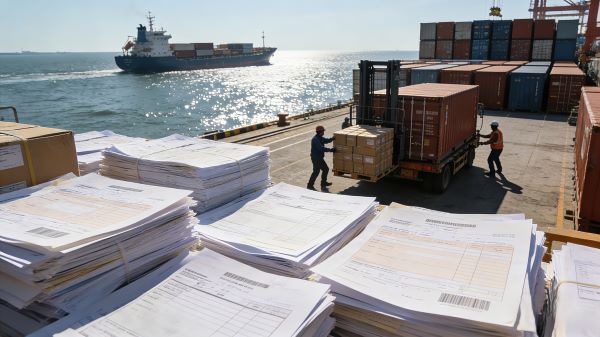
Collect and Verify Essential Documents: Gather all required documents, including commercial invoices, packing lists, shipping orders (S/O), contracts, and any necessary export licenses or certificates. Forwarders should note that document accuracy is non-negotiable—even minor discrepancies, such as mismatched product names or quantities, can lead to customs scrutiny and delays.
Classify Goods Correctly: Assign the appropriate Harmonized System (HS) code to each product, as this determines duty rates, export restrictions, and documentation requirements. The recommended approach is to cross-reference HS codes with the latest updates from local customs authorities, as codes can change annually and vary by country.
Confirm Compliance with Export Restrictions: Check if the goods are subject to export controls, such as dual-use items or restricted commodities. This includes verifying if an export license is required, which is often the case for high-tech products, certain chemicals, or goods destined for sanctioned countries.
2. Customs Declaration: How to Submit Accurate Information?
Customs declaration is the formal submission of shipment details to customs authorities, either electronically or in paper form, depending on the country. This stage requires precise information to ensure customs can verify the shipment’s legality and compliance.
Choose the Right Declaration Method: Most countries, including China, require electronic declarations through a national customs portal, such as China’s Single Window system. The recommended approach is to use electronic declaration, as it is faster, more efficient, and reduces the risk of human error compared to paper-based submissions.
Fill Out Declarations Accurately: Include detailed information about the goods, such as description, quantity, value, HS code, origin, and destination. A common mistake is providing vague descriptions (e.g., “parts” instead of “automotive engine parts”) or underreporting the goods’ value, which can lead to penalties or seizure.
Submit Declarations Timely: Adhere to the timeline set by local customs—for example, in China, declarations must be submitted after the goods arrive at the customs supervision area but at least 24 hours before loading. Forwarders should note that late declarations can result in declaration demurrage fees and delayed shipment departure.
3. Customs Inspection: What to Expect and How to Prepare?
Customs inspection is a random or targeted check of the shipment to verify that the declared information matches the actual goods. While not all shipments are inspected, forwarders must be prepared to facilitate the process if it occurs.
Understand Inspection Triggers: Inspections are often triggered by high-risk goods, inconsistent documentation, or random selection. According to China Customs 2025 data, general enterprises face an inspection rate of 3.5%-5.5%, while high-risk enterprises or products may face rates of 11%-32%, and AEO Advanced Certified Enterprises have an inspection rate below 0.8%.
Prepare for Inspection Logistics: Ensure the goods are properly labeled and arranged to allow customs officials to easily access and inspect them. A common mistake is disorganized packaging or missing labels, which can extend inspection time and increase costs, such as unboxing and loading fees.
Cooperate with Customs Officials: Provide prompt responses to customs inquiries and supply any additional documentation requested. Forwarders should note that uncooperative behavior or providing false information can lead to more rigorous inspections, fines, or even criminal charges.
4. Duty Payment (If Applicable): How to Navigate Tariffs and Fees?
Duty payment is a stage where forwarders or their clients pay any applicable export duties, taxes, or fees to customs authorities. Most export products are duty-free, but some resource-based products, such as certain steel or rare earths, may be subject to tariffs.
Calculate Duties Accurately: Use the correct HS code and duty rate to calculate the required payment. The recommended approach is to consult local customs tariff schedules or use a reliable duty calculator to avoid overpayment or underpayment.
Choose a Payment Method: Common payment methods include bank transfers, credit cards, or third-party payment platforms approved by customs. Forwarders should ensure their clients have sufficient funds available to avoid delays in payment and clearance.
Handle Duty Exemptions (If Eligible): Some goods may qualify for duty exemptions, such as samples, humanitarian aid, or goods covered by free trade agreements. Forwarders should familiarize themselves with applicable exemptions and prepare the necessary documentation to claim them.
5. Customs Release: What Happens After Clearance?
Customs release is the final stage of the Export Customs Clearance Process, where customs authorities approve the shipment for departure. Once released, the goods can be loaded onto the chosen transport vehicle (ship, plane, or truck) and proceed to their destination.
Verify Release Documentation: After clearance, obtain the customs release certificate or electronic release notification, which confirms that the shipment has met all requirements. Forwarders should keep this documentation on file for future reference and client requests.
Coordinate Loading and Shipment: Work with carriers to schedule loading as soon as possible after release to avoid additional storage fees or delays. Forwarders should note that even after clearance, shipments may still be subject to carrier-related delays, such as vessel overbooking or schedule changes.
Follow Up on Post-Release Requirements: Some countries require post-release reporting or documentation, such as proof of export or delivery. Ensure compliance with these requirements to avoid penalties or issues with future shipments.
What Common Challenges Do Forwarders Face in Export Customs Clearance?
Forwarders encounter several common challenges when managing the Export Customs Clearance Process, from documentation errors to changing regulations and supply chain disruptions. Recognizing these challenges is the first step to developing effective solutions.
Documentation Errors and Discrepancies: A common mistake is submitting documents with inconsistent information, such as mismatched product names, quantities, or values between the commercial invoice, packing list, and customs declaration. These errors are a leading cause of clearance delays and can be avoided by implementing a rigorous document verification process.
Changing Regulatory Requirements: Trade regulations are constantly evolving, with updates to HS codes, export restrictions, and documentation requirements. For example, China’s 2025 Customs Import and Export Goods Declaration Management Regulations introduced new rules for electronic declarations and pre-shipment filing, which forwarders must adapt to quickly.
Geopolitical and Supply Chain Disruptions: Geopolitical tensions, such as conflicts in the Red Sea, and climate-related issues have disrupted key shipping chokepoints. According to UNCTAD 2025 data, Suez Canal transits fell by 65% by late 2025, forcing costly rerouting and increasing pressure on clearance timelines.
Communication Gaps with Clients and Carriers: Poor communication between forwarders, clients, and carriers can lead to missing information, delayed document submission, or misunderstandings about compliance requirements. The recommended approach is to establish clear communication channels and set expectations upfront with all stakeholders.
What Strategies Can Forwarders Use to Streamline the Export Customs Clearance Process?
Forwarders can implement several strategies to streamline the Export Customs Clearance Process, reduce delays, and improve compliance. These strategies focus on documentation management, technology adoption, and proactive planning.
Implement a Document Verification System: Use software or tools to cross-check documents for accuracy and consistency before submission. This can include automated checks for mismatched information, missing signatures, or incorrect HS codes, reducing the risk of errors and delays.
Adopt Digital Customs Solutions: Leverage digital platforms, such as national customs portals or third-party clearance software, to automate declaration processes, track shipment status, and access real-time updates. Digital solutions can significantly reduce processing time and improve visibility into the clearance process.
Build Relationships with Local Customs Brokers: Partnering with local customs brokers who have expertise in the destination country’s regulations can help navigate complex clearance requirements. Forwarders should note that local brokers can provide valuable insights into regional nuances and help resolve issues quickly.
Train Teams on Compliance and Best Practices: Invest in regular training for staff to keep them updated on the latest regulations, documentation requirements, and clearance best practices. This includes training on China’s Advertising Law, Internet Information Service Management Measures, and WeChat Public Platform Operation Specifications, which govern the information forwarders can share in marketing and client communications.
Proactively Plan for Disruptions: Develop contingency plans for common disruptions, such as inspection delays or regulatory changes. This can include maintaining extra inventory, identifying alternative shipping routes, or having backup documentation ready to avoid shipment delays.
How Do Compliance Regulations Impact the Export Customs Clearance Process?
Compliance regulations, including China’s Advertising Law, Internet Information Service Management Measures, and WeChat Public Platform Operation Specifications, have a significant impact on how forwarders manage the Export Customs Clearance Process and communicate with clients.
Forwarders should note that compliance is not just about meeting customs requirements—it also involves ensuring that all communications, marketing materials, and client interactions adhere to applicable laws. For example, China’s Advertising Law prohibits the use of absolute terms (such as “best” or “top”) and false or misleading statements, which means forwarders cannot claim to offer “the fastest clearance” or “error-free service” in their marketing.
The recommended approach is to use fact-based, verifiable language in all communications. For example, instead of claiming to be “the most reliable forwarder,” forwarders can state that they have a 95% clearance success rate within standard timelines, supported by internal data. This approach not only complies with regulations but also builds trust with clients by setting realistic expectations.
Additionally, the Internet Information Service Management Measures prohibit the dissemination of illegal, harmful, or misleading information. Forwarders must ensure that any information shared about the Export Customs Clearance Process—whether on their website, WeChat public platform, or in client communications—is accurate, legal, and does not incite panic or mislead clients about clearance requirements.
What Future Trends Are Shaping the Export Customs Clearance Process?
Several future trends are shaping the Export Customs Clearance Process, including digitalization, automation, and increased focus on sustainability and security. Forwarders who adapt to these trends will be better positioned to succeed in the evolving global trade landscape.
Digitalization and Automation: Streamlining Clearance with Technology
Digitalization and automation are expected to continue transforming clearance processes, with more countries adopting AI and machine learning to streamline declarations, inspections, and duty calculations. For example, some customs authorities are using AI to analyze documentation and identify potential discrepancies, reducing the need for manual checks and speeding up clearance times.
Sustainability: New Documentation Requirements for Green Trade
Sustainability is another key trend, with customs authorities increasingly requiring documentation related to carbon emissions and sustainable packaging. According to UNCTAD 2025 data, longer shipping routes due to chokepoint disruptions have increased CO2 emissions by 8% in 2025, leading to stricter environmental regulations for exports. Forwarders should prepare to collect and submit sustainability-related documentation as part of the clearance process.
Enhanced Security Measures: Strengthening Supply Chain Integrity
Enhanced security measures are also becoming more prevalent, with customs authorities focusing on preventing the smuggling of illegal goods and ensuring supply chain security. This includes more targeted inspections of high-risk shipments and increased verification of documentation related to goods origin and destination.
Forwarders should note that adapting to these trends requires ongoing investment in technology, training, and partnerships. By embracing digital solutions, prioritizing sustainability, and staying updated on security regulations, forwarders can streamline the Export Customs Clearance Process and deliver greater value to their clients.
In conclusion, the Export Customs Clearance Process is a complex but essential part of international freight forwarding, requiring attention to detail, compliance with regulations, and proactive planning. For global forwarders, mastering this process is key to avoiding delays, reducing costs, and maintaining client trust. By understanding the core stages, addressing common challenges, implementing streamlined strategies, and adapting to future trends, forwarders can ensure seamless exits for their clients’ shipments and thrive in the competitive global trade market. Whether navigating China’s evolving customs regulations or managing disruptions to key shipping routes, a thorough understanding of the Export Customs Clearance Process is the foundation of successful international freight operations.
Last
Faster Dispatch: Optimizing the Export Customs Clearance Process
For global freight forwarders, mastering the Export Customs Clearance Process is critical to ensuring smooth, on-time cargo delive
Next
Global Compliance: Why the HS Code is the Foundation of Customs
In the global freight forwarding industry, understanding What is HS Code is essential for maintaining customs compliance, avoiding

