



In international freight forwarding, understanding the difference between EXW and FOB is critical for accurate cost calculation and smooth transaction execution. These two Incoterms define distinct responsibilities for sellers and buyers, directly impacting logistics costs, risk allocation, and operational efficiency for forwarders worldwide.
What Are EXW and FOB Incoterms, and Why Do They Matter for Forwarders?
EXW (Ex Works) and FOB (Free On Board) are two widely used Incoterms under Incoterms 2020, governing cost and risk allocation between sellers and buyers in international trade. For forwarders, mastering their differences ensures accurate quoting and avoids costly disputes.
Incoterms, published by the International Chamber of Commerce (ICC), are pre-defined commercial terms that clarify the tasks, costs, and risks associated with the transportation and delivery of goods internationally. They are widely accepted by governments, legal authorities, and practitioners worldwide, making them a foundational element of global trade contracts.
Among these terms, EXW and FOB are frequently utilized, but their distinct cost structures and liability scopes often lead to confusion if not properly understood—especially for forwarders tasked with coordinating shipments and managing client expectations. According to UNCTAD 2025 data, global maritime trade is projected to grow by 2.3%, with approximately 45% of these transactions utilizing either EXW or FOB terms.
This growth means forwarders are increasingly tasked with navigating the nuances of these Incoterms to optimize cost efficiency and reduce operational risks. Forwarders should note that misinterpreting EXW and FOB can result in unexpected costs, delayed shipments, or legal disputes between buyers and sellers, all of which can damage a forwarder’s reputation and client relationships.
How Are EXW and FOB Defined Under Incoterms 2020?
EXW requires the seller to make goods available at their premises, while FOB mandates the seller to deliver goods on board a buyer-specified vessel at a named port of shipment. Both terms shift risk at different points, directly affecting cost allocation.
What Is EXW (Ex Works) and Its Core Cost Implications?
EXW, or Ex Works, is the Incoterm where the seller’s responsibility is minimal—they only need to prepare the goods at their premises (such as a factory or warehouse) for the buyer to collect. The buyer bears all subsequent costs and risks.
Under EXW, the seller’s obligations are limited to making the goods available for collection at a specified location, typically their own factory, warehouse, or another agreed-upon site. The seller is not responsible for loading the goods onto the buyer’s transportation vehicle, clearing the goods for export, or arranging any local or international transportation.
This minimal responsibility translates to lower costs for the seller, but it places the full burden of logistics and compliance on the buyer—and by extension, the buyer’s chosen forwarder. A common mistake is for forwarders to assume the seller will assist with loading or export clearance under EXW.
In reality, the seller has no obligation to provide these services unless explicitly agreed upon in the contract. This can lead to delays if the forwarder arrives at the seller’s premises expecting assistance that is not provided, resulting in additional labor costs or missed shipment deadlines.
According to the Shanghai Shipping Exchange 2025 data, forwarders handling EXW shipments often incur unexpected local logistics costs, such as labor fees for loading goods onto trucks, which can add 6-12% to the total local logistics budget. These costs are easy to overlook but can significantly impact a forwarder’s profit margins if not accounted for in initial quotes.
What Is FOB (Free On Board) and Its Core Cost Implications?
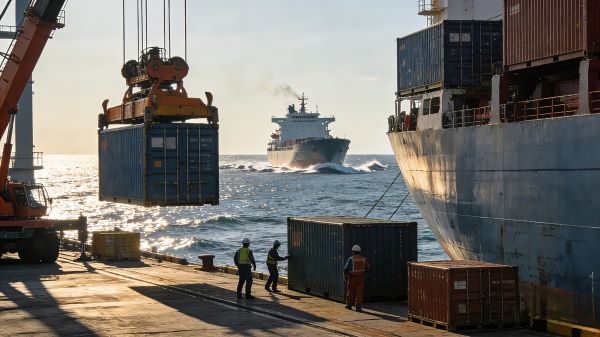
FOB, or Free On Board, requires the seller to deliver goods on board a vessel nominated by the buyer at a specified port of shipment, covering export clearance and loading costs up to that point.
Unlike EXW, FOB places additional responsibilities on the seller, including clearing the goods for export and loading them onto the buyer’s specified vessel at the named port of shipment. Under Incoterms 2020, the “on board” requirement no longer refers to goods crossing the ship’s rail; instead, it is defined by the contract based on the nature of the goods.
The seller bears the cost of export clearance, local transportation from their premises to the port, and loading the goods onto the vessel. Forwarders should note that FOB is only applicable to maritime and inland waterway transport, making it unsuitable for container shipments where goods are delivered to a carrier’s yard or warehouse rather than directly onto a vessel.
This limitation is often overlooked, leading to misapplication of the term and subsequent cost disputes. The recommended approach for forwarders handling FOB shipments is to verify the seller’s ability to complete export clearance and arrange port loading.
According to Freightos Baltic Index (FBX) 2025 Q1 data, FOB shipments account for approximately 38% of global maritime trade, with export clearance and port loading costs representing 13-19% of the total local logistics cost for these shipments. Understanding these cost components is essential for accurate quoting.
What Are the Key Cost Differences Between EXW and FOB?
The primary cost differences between EXW and FOB stem from who bears export clearance, local transportation, and loading costs. These differences directly impact forwarders’ quoting strategies and client cost expectations.
Who Bears Export Clearance Costs in EXW vs. FOB?
In EXW, the buyer (and their forwarder) bears all export clearance costs, while in FOB, the seller is responsible for export clearance and its associated expenses. This is a critical cost distinction for forwarders.
Export clearance involves obtaining the necessary documentation, paying customs duties, and complying with local export regulations. Under EXW, the buyer’s forwarder must handle all these tasks, which can be time-consuming and costly—especially in countries with complex export procedures.
According to ITC Trade Map 2025 data, export clearance costs average $160-$320 per shipment, depending on the country of origin and the type of goods being exported. In contrast, FOB requires the seller to cover export clearance costs, relieving the forwarder of this responsibility.
However, forwarders should note that sellers may pass these costs on to the buyer through higher product prices. A common mistake is for forwarders to fail to clarify whether export clearance costs are included in the seller’s quote, leading to unexpected charges for the buyer.
The recommended approach is for forwarders to confirm in writing whether export clearance costs are included in the transaction, regardless of the Incoterm used. This clarity helps avoid disputes and ensures accurate cost forecasting for both the forwarder and the client.
Who Covers Local Transportation Costs From Seller to Port?
Local transportation costs from the seller’s premises to the port are borne by the buyer in EXW and by the seller in FOB. These costs can vary significantly based on distance, cargo volume, and local logistics rates.
Under EXW, the buyer’s forwarder is responsible for arranging and paying for local transportation from the seller’s factory or warehouse to the port. This includes trucking fees, fuel surcharges, and any tolls or permits required for transportation.
According to the Shanghai Shipping Exchange 2025 data, local transportation costs for a 20-foot container from a factory to a major Chinese port range from $210-$520, depending on the distance. In FOB, the seller covers these local transportation costs, as their responsibility includes delivering the goods to the port and loading them onto the vessel.
However, forwarders should note that sellers may use less reliable local carriers to cut costs, which can lead to delays or damage to the cargo. This risk is particularly relevant in regions with underdeveloped logistics infrastructure.
A common mistake is for forwarders to assume that local transportation costs are fixed. In reality, these costs can fluctuate due to factors such as fuel prices, labor shortages, and seasonal demand. According to the Baltic Exchange Dry Index 2025 Q1 data, local transportation costs increased by an average of 9% between 2024 and 2025, driven by rising fuel prices and increased demand for trucking services.
Who Pays for Loading Costs in EXW vs. FOB?
Loading costs—including labor and equipment to load goods onto transportation vehicles or vessels—are the buyer’s responsibility in EXW and the seller’s responsibility in FOB. These costs are often underestimated but can add up significantly.
Under EXW, the seller is not obligated to load the goods onto the buyer’s transportation vehicle. This means the forwarder must arrange for loading labor and equipment, which can cost $55-$210 per shipment, depending on the cargo volume and type.
For heavy or oversized cargo, loading costs can be even higher, requiring specialized equipment such as cranes or forklifts. In FOB, the seller is responsible for loading the goods onto the buyer’s nominated vessel. This includes the cost of labor, equipment, and any stowage fees required to secure the cargo on the ship.
According to UNCTAD 2025 data, loading costs for a standard 40-foot container average $105-$155 at major ports worldwide. Forwarders should note that these costs may vary by port, with some ports charging higher fees during peak seasons.
The recommended approach for forwarders handling EXW shipments is to include loading costs in their initial quote, based on the specific cargo requirements. This avoids unexpected charges and ensures the client is aware of all associated costs upfront.
How Do Risk Allocation Differences Impact Forwarders’ Operations?
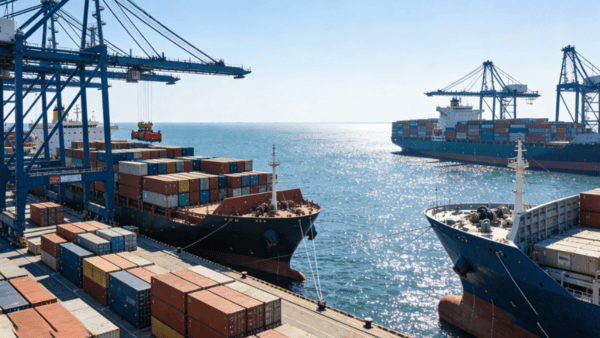
Risk allocation between EXW and FOB directly affects forwarders’ liability and operational strategies. Understanding when risk shifts from seller to buyer helps forwarders mitigate potential losses and protect their interests.
Under EXW, risk shifts from the seller to the buyer once the goods are made available for collection at the seller’s premises. This means the forwarder, acting on behalf of the buyer, assumes all risks associated with transportation, loading, export clearance, and any damage or loss that occurs after collection.
For example, if the cargo is damaged during loading or local transportation, the forwarder (and the buyer) bears the cost of the damage, unless the damage is due to the seller’s negligence. In contrast, under FOB, risk shifts from the seller to the buyer once the goods are loaded onto the vessel.
This means the seller bears the risk of damage or loss during local transportation from their premises to the port and during loading. The forwarder’s liability under FOB is limited to the period after the goods are on board the vessel, reducing their exposure to risk compared to EXW.
Forwarders should note that risk allocation can be modified through additional contract terms. For example, a buyer and seller may agree that the seller will assist with loading under EXW, which would shift some of the risk back to the seller. However, such modifications must be clearly stated in the contract to avoid disputes.
A common mistake is for forwarders to overlook risk allocation when quoting for EXW or FOB shipments. Forgetting to account for potential risk-related costs, such as cargo insurance, can lead to significant financial losses. The recommended approach is to recommend appropriate cargo insurance coverage to clients, based on the Incoterm used and the nature of the cargo.
What Practical Steps Should Forwarders Take to Navigate EXW and FOB Costs?
Forwarders can take specific steps to accurately calculate costs, mitigate risks, and ensure smooth operations when handling EXW and FOB shipments. These steps focus on clarity, documentation, and proactive communication.
Verify Incoterm Details in Contracts: Always review the sales contract to confirm the exact Incoterm used and any additional terms that may modify cost or risk allocation. This includes checking whether the seller is obligated to provide loading assistance or export clearance under EXW, or whether the buyer has specified any special requirements for FOB shipments.
Conduct Detailed Cost Breakdowns: For each shipment, create a detailed cost breakdown that includes all components relevant to the Incoterm. For EXW, this should include local transportation, loading, export clearance, and any other costs borne by the buyer. For FOB, this should include the seller’s costs (export clearance, local transportation, loading) and any additional costs borne by the buyer.
Communicate Clearly with All Parties: Maintain open communication with both the buyer and seller to clarify responsibilities and expectations. For example, inform the buyer of their obligations under EXW, such as arranging export clearance and loading, and confirm with the seller that they will fulfill their responsibilities under FOB, such as delivering goods to the port.
Account for Fluctuating Costs: Monitor market trends and fluctuating costs, such as local transportation fees, fuel prices, and port charges. According to the Freightos Baltic Index (FBX) 2025 Q1 data, freight rate fluctuations can impact total shipment costs by up to 16% in a single quarter, so forwarders should build flexibility into their quotes to accommodate these changes.
Recommend Insurance Coverage: Advise clients on appropriate cargo insurance coverage based on the Incoterm used. For EXW shipments, recommend comprehensive insurance that covers damage or loss during loading, local transportation, and export clearance. For FOB shipments, recommend insurance that covers damage or loss during maritime transportation.
What Are the Common Pitfalls Forwarders Face with EXW and FOB?
Forwarders often encounter specific pitfalls when handling EXW and FOB shipments, many of which stem from misinterpretation of Incoterms or inadequate planning. Recognizing these pitfalls can help forwarders avoid costly mistakes.
One common pitfall is misapplying FOB to non-maritime shipments. As noted earlier, FOB is only applicable to maritime and inland waterway transport, but some forwarders use it for air or road shipments, leading to confusion and disputes. This mistake can result in incorrect cost allocation and increased liability for the forwarder.
Another common pitfall is failing to confirm the seller’s ability to complete export clearance under FOB. Some sellers, particularly small or medium-sized enterprises, may not have the expertise or resources to handle export clearance, leading to delays and additional costs for the forwarder and buyer.
Forwarders should verify the seller’s export capabilities before agreeing to FOB terms. A third common pitfall is overlooking hidden costs in EXW shipments, such as storage fees if the buyer’s forwarder is unable to collect the goods on time.
If the goods are not collected promptly, the seller may charge storage fees, which the forwarder (and buyer) will be responsible for paying. Forwarders should coordinate closely with the seller to ensure timely collection of goods.
The recommended approach is for forwarders to conduct a thorough risk assessment for each EXW or FOB shipment, identifying potential pitfalls and developing contingency plans. This includes verifying the seller’s capabilities, clarifying contract terms, and accounting for all potential costs.
How Do Market Trends Impact EXW and FOB Cost Dynamics?
Current market trends, such as supply chain disruptions, freight rate fluctuations, and regulatory changes, are shaping the cost dynamics of EXW and FOB shipments. Forwarders must stay informed of these trends to remain competitive and provide accurate quotes.
According to UNCTAD 2025 data, global supply chains continue to recover from the disruptions caused by the COVID-19 pandemic, but geopolitical conflicts and climate-related events (such as droughts affecting major waterways) are creating new challenges. These disruptions have led to increased local transportation costs and longer lead times, particularly for FOB shipments where the seller is responsible for delivering goods to the port.
Freight rate fluctuations are another key trend impacting EXW and FOB costs. The Shanghai Shipping Exchange 2025 Q1 data shows that container freight rates on major routes increased by an average of 17.5% for the Mediterranean route and 18.2% for the Southeast Asia route compared to the previous quarter.
These fluctuations affect both EXW and FOB shipments, as they impact the cost of maritime transportation for the buyer. Regulatory changes, such as new export control measures or customs procedures, are also affecting EXW and FOB costs.
For example, increased documentation requirements for export clearance can add time and cost to EXW shipments, where the forwarder is responsible for these tasks. Forwarders should stay updated on regulatory changes in the countries where they operate to avoid unexpected costs.
Forwarders should note that these market trends are likely to continue into 2026, with UNCTAD predicting ongoing volatility in global maritime trade. The recommended approach is to build flexibility into quotes and maintain strong relationships with local carriers and customs brokers to mitigate the impact of these trends.
Conclusion: Mastering the Difference Between EXW and FOB for Better Cost Management
For global货代 companies, mastering the difference between EXW and FOB is essential for accurate cost calculation, risk mitigation, and client satisfaction. These two Incoterms define distinct responsibilities for sellers and buyers, with direct implications for local logistics costs, export clearance, and risk allocation.
By understanding the core differences in cost allocation—including who bears export clearance, local transportation, and loading costs—forwarders can provide more accurate quotes, avoid costly disputes, and enhance their operational efficiency. Implementing the recommended approaches, such as verifying contract terms, conducting detailed cost breakdowns, and staying informed of market trends, can help forwarders navigate the complexities of EXW and FOB shipments.
In a global trade environment marked by volatility and change, the ability to effectively manage EXW and FOB costs is a key competitive advantage for forwarders. By prioritizing clarity, communication, and proactive planning, forwarders can ensure smooth transaction execution and build long-term client relationships.
Ultimately, the difference between EXW and FOB is not just a matter of Incoterm definitions—it is a critical factor in the success of international freight forwarding operations.
Last
Profit Analysis: Tailoring Services Based on the EXW vs FOB Difference
For global freight forwarders, understanding the difference between EXW and FOB is not just a matter of operational compliance—it
Next
A Beginner's Guide: Understanding What is an AMS Manifest
For global freight forwarders handling cargo to or transiting through the United States, understanding what is an AMS Manifest is