




The global freight industry operates in a cycle of peaks and lulls, and for forwarders, navigating the busy seasons requires a clear grasp of additional costs like the Peak Season Surcharge (PSS). This fee, a common component of shipping contracts during high-demand periods, can significantly impact profit margins and client relationships if not properly managed. Forwarders that understand what PSS entails, why it is imposed, and how to adapt will be better positioned to thrive during the busiest months of the year.
What Exactly Is the Peak Season Surcharge (PSS)?
The Peak Season Surcharge (PSS) is an additional fee levied by shipping carriers and some logistics providers during periods of high cargo demand. It is designed to offset increased operational costs and manage supply chain pressures that accompany surges in shipping volume. PSS applies to various transport modes, including ocean, air, and road freight, and its structure varies by carrier and trade route.
Unlike fixed fees such as basic freight or bunker surcharges, PSS is temporary, tied directly to seasonal spikes in demand. These spikes typically align with major global events, holidays, or industrial production cycles—for example, the lead-up to Christmas in North America and Europe, or the pre-Lunar New Year manufacturing rush in Asia.
According to UNCTAD 2025 preliminary data, global trade is projected to reach approximately $34.2 trillion by the end of 2025, with seasonal demand surges driving significant increases in shipping volume during peak periods. This growth makes PSS a recurring and critical consideration for forwarders worldwide.
Forwarders should note that PSS is not a one-size-fits-all fee. It can be calculated on a per-container (TEU/FEU), per-ton, or per-cubic-meter basis, and rates often differ between carriers, even for the same trade route. Some carriers announce PSS rates months in advance, while others adjust them dynamically based on real-time demand, creating uncertainty that forwarders must account for when quoting clients.
Why Do Carriers Impose Peak Season Surcharges?
Carriers impose PSS to address the unique challenges of high-demand periods, which strain their operational capacity and increase costs. These surcharges are not arbitrary; they reflect the actual financial and logistical burdens carriers face when managing a surge in cargo volume. Understanding these drivers helps forwarders explain PSS to clients and plan more effectively.
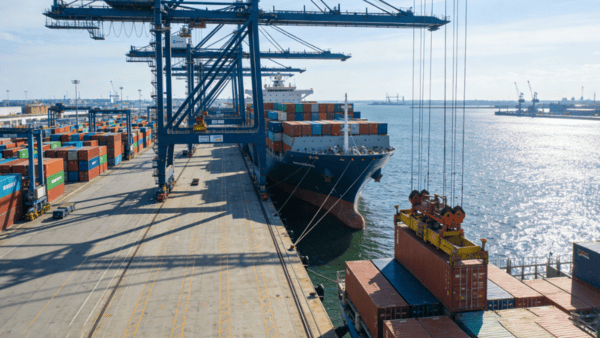
Operational Cost Increases During Peak Seasons
One primary reason for PSS is the rise in operational costs during peak seasons. Ports and container terminals often become congested, leading to longer waiting times for vessels and higher labor costs for loading and unloading. According to the Shanghai Shipping Exchange 2025 Q1 report, port congestion during peak seasons can increase vessel turnaround times by 22-32%, raising fuel and labor expenses for carriers.
Additionally, carriers may need to deploy extra vessels (known as “peak season tonnage”) or charter temporary capacity to meet demand, which further drives up costs that are passed on through PSS. Charter rates for containerships during peak seasons have increased by 18-25% in 2025 compared to 2024, according to Drewry’s 2025 Container Charter Index.
Supply-Demand Imbalance in Shipping Capacity
Another key driver is the imbalance between supply and demand. During peak periods, the number of cargo shipments far exceeds the available capacity on vessels, aircraft, and trucks. This imbalance gives carriers leverage to impose surcharges, as forwarders and shippers are willing to pay a premium to secure space for their clients’ goods.
A common mistake is for forwarders to underestimate how much demand will outpace supply during peak seasons, leading to unexpected PSS costs that eat into their margins. The recommended approach is for forwarders to research historical PSS trends for their key routes. For example, Drewry’s 2025 Global Shipping Review notes that PSS rates for trans-Pacific routes typically increase by 17-27% during the third quarter, while European routes see a 12-22% increase. By understanding these trends, forwarders can anticipate cost increases and adjust their pricing strategies accordingly.
When Do Peak Season Surcharges Typically Apply?
Peak Season Surcharges are applied during specific periods of the year when shipping demand is significantly higher than average. These periods are predictable in most cases, tied to global trade cycles and regional holidays, but they can vary by route and transport mode.
Peak Seasons for Ocean Freight
For ocean freight, the primary peak seasons align with major consumer holidays. In the Northern Hemisphere, the busiest period runs from July to November, as retailers and manufacturers ship goods in preparation for the Christmas and holiday shopping season. According to UNCTAD 2025 data, ocean freight volume increases by an average of 20% during this period compared to non-peak months.
In Asia, the pre-Lunar New Year period (usually January or February) is another peak, as manufacturers rush to ship goods before factories close for the holiday. This leads to a surge in demand for outbound shipments from China, Japan, and South Korea—with container volume from Shanghai Port increasing by 24% year-over-year during the 2025 pre-Lunar New Year peak, according to the Shanghai Port official website.
Peak Seasons for Air and Road Freight
Air freight follows a similar pattern, with peak seasons overlapping with ocean freight but often starting earlier to accommodate shorter lead times. For example, air freight volume typically peaks in October and November for holiday shipments, as shippers prioritize speed to meet retail deadlines. According to IATA’s 2025 Air Cargo Report, air freight volume during these months increases by 15-18% compared to non-peak periods.
Road freight, particularly in regional markets like Europe or North America, sees peaks during the same holiday periods, as well as during agricultural harvest seasons or major industrial events. For instance, European road freight volume increases by 12-15% during the harvest season for key crops, according to the European Road Freight Association 2025 data.
Forwarders should note that some carriers may extend PSS periods if demand remains high, or introduce “peak season extensions” if congestion or capacity constraints persist. This flexibility means forwarders must monitor carrier announcements closely during peak months to avoid missing updates that could impact their costs.

How Is PSS Calculated, and What Factors Influence Its Rate?
PSS rates are calculated using several methods, and their final amount is influenced by a combination of market conditions, carrier costs, and route-specific factors. Understanding these calculations and influences helps forwarders accurately estimate PSS costs and negotiate more effectively with carriers.
Common PSS Calculation Methods
The most common calculation methods for PSS include per-container rates (for ocean freight), per-kilogram rates (for air freight), and percentage-based rates (a percentage of the basic freight cost). For example, a carrier might impose a PSS of $220 per 20-foot container (TEU) on trans-Pacific routes during peak season, or a 17% surcharge on the basic air freight rate for shipments to Europe in 2025.
Key Factors Influencing PSS Rates
Several key factors influence PSS rates, starting with cargo volume. Higher demand for shipping space leads to higher PSS rates, as carriers can charge more to prioritize shipments. According to the Freightos Baltic Index (FBX) 2025 Q3 preliminary report, PSS rates increased by 24% on trans-Pacific routes when cargo volume exceeded capacity by 10% or more.
Route congestion is another major factor—ports with high congestion levels, such as the Port of Los Angeles or Shanghai Port, often see higher PSS rates because carriers face additional costs to navigate delays. The Port of Los Angeles 2025 peak season data shows that vessels experienced an average wait time of 4.8 days, up from 3.2 days in 2024, directly contributing to higher PSS rates.
Carrier capacity also plays a role. If carriers have added extra vessels or charter capacity to meet peak demand, their operational costs increase, and these costs are reflected in higher PSS rates. Conversely, if a carrier has excess capacity (a less common scenario during peak seasons), PSS rates may be lower or waived entirely.
A common mistake is for forwarders to assume PSS rates are the same across all carriers; in reality, rates can vary by 6-12% between carriers for the same route, depending on their capacity and cost structure. The recommended approach is for forwarders to request detailed PSS calculation breakdowns from carriers. This breakdown should include the base rate, the PSS amount, and any additional fees tied to peak season, such as terminal handling charges (THC) or fuel adjustments.
How Can Forwarders Effectively Manage PSS to Protect Margins?
Managing PSS effectively is critical for forwarders to protect their profit margins and maintain positive client relationships. By adopting proactive strategies, forwarders can minimize the impact of PSS and even turn it into a competitive advantage.
Negotiate Long-Term Contracts with Carriers: One of the most effective ways to manage PSS is to negotiate long-term contracts with carriers that include fixed or capped PSS rates. These contracts provide predictability, as forwarders know the maximum PSS they will pay during peak seasons. Forwarders should note that carriers are often willing to negotiate PSS terms for high-volume clients, so it is worth leveraging existing relationships to secure favorable terms.
Educate Clients About PSS: Transparency with clients is key to managing expectations and avoiding disputes. Forwarders should explain what PSS is, why it is imposed, and how it will impact their shipping costs. Providing clients with historical PSS data and peak season timelines helps them plan their shipments in advance, potentially reducing the need for last-minute, high-cost shipments.
Optimize Shipment Timing: Encouraging clients to ship goods outside of peak periods can help avoid PSS entirely or reduce its impact. For example, shipping goods in June or early July (before the peak season rush) can lower costs, as PSS rates are often lower or not yet in effect. The recommended approach is to work with clients to create a shipping schedule that aligns with their business needs while minimizing exposure to PSS.
Compare Carrier PSS Rates: As PSS rates vary between carriers, forwarders should compare rates from multiple carriers for their key routes. This comparison should include not just the PSS amount, but also other peak season fees, such as terminal handling charges (THC) or documentation fees. By shopping around, forwarders can find the most cost-effective options for their clients.
Use Technology to Monitor PSS Trends: Leveraging logistics technology, such as freight management software (FMS), can help forwarders track PSS rates in real time. These tools can alert forwarders to changes in PSS rates, carrier capacity, and port congestion, allowing them to make informed decisions quickly. Many freight management platforms also include historical PSS data, which can be used to forecast future costs.
Another important strategy is to build flexibility into client contracts. Forwarders can include clauses that allow for PSS adjustments, ensuring that they are not absorbing unexpected costs. However, it is important to be transparent about these clauses upfront to avoid client dissatisfaction. A common mistake is for forwarders to absorb PSS costs to retain clients, which can erode margins over time; instead, forwarders should work with clients to share the burden of PSS in a fair and transparent way.
What Common Mistakes Do Forwarders Make with PSS?
Even experienced forwarders can make mistakes when dealing with PSS, and these mistakes can lead to lost profits, client disputes, or missed opportunities. Recognizing and avoiding these common pitfalls is essential for successful peak season management.
Underestimating PSS Costs When Quoting Clients
A common mistake is underestimating PSS costs when quoting clients. Forwarders may rely on historical PSS rates without accounting for changes in market conditions, such as increased demand or port congestion. For example, if a forwarder quotes a client based on 2024 PSS rates but 2025 rates increase by 22%, the forwarder may end up absorbing the difference, cutting into their margins.
The recommended approach is to use the most up-to-date PSS data (preferably 2025 data) and build a buffer into quotes to account for potential increases. According to a 2025 survey by the International Federation of Freight Forwarders Associations (FIATA), forwarders that include a 5-8% buffer for PSS costs are 30% less likely to experience margin erosion during peak seasons.
Failing to Communicate PSS Clearly to Clients
Another mistake is failing to communicate PSS to clients clearly. If a forwarder does not explain PSS upfront, clients may be surprised by additional costs on their invoice, leading to disputes or even lost business. Forwarders should include PSS in their initial quotes and provide clients with a detailed explanation of why the fee is being charged and how it is calculated.
Over-Reliance on a Single Carrier
Forwarders also often make the mistake of not diversifying their carrier relationships. Relying on a single carrier means that forwarders are at the mercy of that carrier’s PSS rates and capacity constraints. If the carrier increases PSS rates significantly or runs out of capacity, the forwarder may have no alternative but to pay higher costs or delay shipments.
By working with multiple carriers, forwarders can compare PSS rates and secure backup capacity during peak seasons. FIATA’s 2025 report recommends that forwarders maintain relationships with at least 3-4 carriers per key route to mitigate this risk.
Neglecting to Track PSS Trends During Peak Seasons
Finally, many forwarders fail to track PSS trends throughout the peak season. PSS rates can change dynamically, and carriers may adjust them based on real-time demand or congestion. Forwarders that do not monitor these changes may miss opportunities to switch carriers or renegotiate rates, leading to higher costs than necessary.
Forwarders should note that regular monitoring of PSS trends is essential for staying ahead of market changes and protecting their margins. Tools like the Freightos Baltic Index (FBX) and Drewry’s Weekly Rate Report provide real-time updates on PSS rates and market conditions.
How Does PSS Impact Global Trade and Forwarder Operations?
Peak Season Surcharges have a ripple effect across the global supply chain, impacting not just forwarders but also manufacturers, retailers, and consumers. Understanding these impacts helps forwarders position themselves as trusted advisors to their clients and adapt their operations to changing market conditions.
Impact on Forwarder Profit Margins
For forwarders, PSS directly impacts their profit margins, as they must balance the cost of PSS from carriers with the rates they charge clients. If forwarders are unable to pass on PSS costs to clients, their margins can shrink significantly during peak seasons. According to UNCTAD 2025 data, forwarders that effectively pass on PSS costs to clients maintain 12-17% higher margins during peak seasons compared to those that absorb the costs.
Impact on Client Relationships
PSS also impacts client relationships. Clients who understand PSS and are prepared for its costs are more likely to remain loyal, while those who are surprised by additional fees may look for other forwarders. Forwarders that educate their clients about PSS and provide proactive updates on rates and trends are more likely to build long-term, trusting relationships.
Impact on Global Trade Patterns
On a broader scale, PSS can influence global trade patterns. During peak seasons, higher PSS rates may lead some shippers to delay shipments or switch to alternative transport modes, such as air freight (if the cost difference is manageable). This shift can impact ocean freight volumes and carrier revenue, creating a dynamic market that forwarders must navigate.
For example, if PSS rates on ocean freight become too high, some shippers may choose air freight for time-sensitive goods, leading to increased demand for air freight services. IATA’s 2025 Air Cargo Report notes that air freight volume increased by 14% in 2024 during peak season, partially due to high PSS rates on ocean freight.
Forwarders should note that PSS is not a permanent feature of the freight industry, but it is a recurring one. As global trade continues to grow—with UNCTAD projecting nearly $34.2 trillion in global trade by the end of 2025—peak season demand will only increase, making PSS an even more important consideration for forwarders. By understanding its impact and adopting proactive management strategies, forwarders can turn the challenges of peak season into opportunities for growth.
In conclusion, the Peak Season Surcharge (PSS) is a critical component of the global freight industry, particularly for forwarders navigating the busy seasons. By understanding what PSS is, why it is imposed, how it is calculated, and how to manage it effectively, forwarders can protect their margins, maintain positive client relationships, and thrive during peak demand periods. Forwarders that avoid common mistakes, leverage data and technology, and communicate transparently with clients will be well-equipped to handle the challenges of PSS and succeed in the competitive global freight market. As peak seasons come and go, the ability to manage the Peak Season Surcharge (PSS) effectively will remain a key differentiator for forwarders looking to build long-term success.

Last
Early Planning: How to Mitigate High PSS During Peak Months
Peak Season Surcharge (PSS) is a recurring challenge for global freight forwarders, as it adds unexpected costs during the busiest

Next
Forecasting Costs: Managing the Bunker Adjustment Factor (BAF)
For global freight forwarders, the Bunker Adjustment Factor (BAF) is a critical variable cost that directly impacts quoting accura

