




In the international freight forwarding industry, understanding Full Container Load (FCL) is essential for optimizing cost efficiency and service quality. What is FCL, and how can it help forwarders maximize unit cost while meeting client expectations? This article breaks down the core of FCL, its operational details, and practical strategies for forwarders.
What Exactly is Full Container Load (FCL) in International Shipping?
Full Container Load (FCL) refers to a shipping method where a single shipper’s goods occupy an entire standard container, eliminating the need to share space with other shippers. Forwarders handle FCL shipments as a single unit, from packing to delivery, with the shipper or their agent responsible for loading and sealing.
Unlike Less than Container Load (LCL), where multiple shippers’ goods are consolidated into one container, FCL is defined by exclusive container use. This exclusivity simplifies logistics, reduces handling, and minimizes the risk of damage or loss—factors that directly impact a forwarder’s ability to deliver reliable service and control costs.
According to UNCTAD 2026 Q1 data, FCL accounts for approximately 70% of global containerized shipments, reflecting its popularity among shippers with sufficient cargo volume to fill a standard container. This data underscores why forwarders must master FCL fundamentals to remain competitive in a market dominated by this shipping method.
Why Do Forwarders Prioritize FCL for Cost Optimization?
Forwarders prioritize FCL primarily because it offers superior unit cost efficiency compared to other shipping methods. By leveraging the exclusivity of a full container, forwarders can streamline operations, reduce per-unit handling costs, and pass on savings to clients while maintaining profit margins.
Unit cost optimization is critical for forwarders, as it directly influences client retention and market competitiveness. FCL achieves this by spreading fixed costs—such as container rental, port fees, and transportation charges—across a larger volume of goods. For example, a 40-foot container (40GP) carrying 20 tons of goods will have a lower per-ton cost than the same container split between multiple shippers in LCL.
According to Freightos Baltic Index (FBX) 2026 Q1 data, FCL rates per unit volume were 20-24% lower than LCL rates on major transatlantic and transpacific routes. This gap highlights why forwarders often recommend FCL to clients with cargo volumes that meet or exceed container capacity, as it delivers tangible cost savings without sacrificing service quality.
Forwarders should note that FCL’s cost benefits are not limited to large shippers. Even mid-sized shippers with consistent cargo volumes can benefit from FCL by consolidating shipments over short periods, allowing forwarders to offer competitive pricing while maintaining operational efficiency.
What Are the Common FCL Container Types Used by Forwarders?
Forwarders work with several standard FCL container types, each designed to accommodate different cargo types and volumes. The choice of container directly impacts cost efficiency, cargo safety, and client satisfaction, making it a key decision in FCL operations.
20-Foot General Purpose (20GP) Containers: The most commonly used FCL container, with a capacity of approximately 33 cubic meters and a maximum payload of 21-28 tons. Often used for heavy goods or smaller cargo volumes that do not require a larger container, such as machinery parts or packaged goods.
40-Foot General Purpose (40GP) Containers: A larger option with a capacity of around 67 cubic meters and a maximum payload of 26-28 tons. Popular for bulkier goods, such as furniture, electronics, or palletized cargo, and offers better unit cost efficiency than 20GP containers for larger shipments.
40-Foot High Cube (40HQ) Containers: Similar to 40GP but 30cm taller, providing 76 cubic meters of capacity. Ideal for lightweight, voluminous goods like textiles, furniture, or consumer goods, allowing forwarders to maximize cargo volume without exceeding weight limits.
Specialized FCL Containers: Including refrigerated (reefer) containers for perishables, flat rack containers for oversized goods, and open-top containers for cargo that requires top-loading. These specialized options cater to niche client needs and often command higher rates, creating additional revenue opportunities for forwarders.
The recommended approach for forwarders is to match container type to cargo characteristics and client requirements. For example, refrigerated FCL containers are essential for food or pharmaceutical shipments, while flat rack containers are better suited for heavy machinery. By selecting the right container, forwarders can reduce cargo damage, avoid additional fees, and enhance client trust.
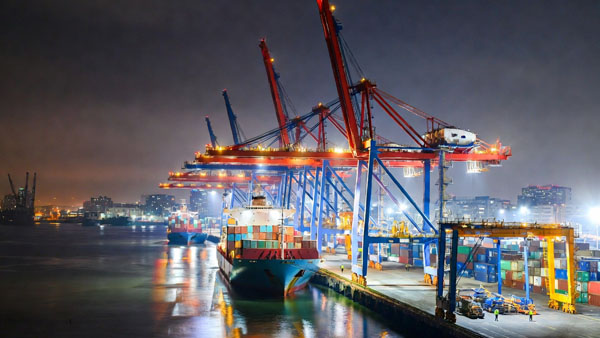
How Do Forwarders Manage FCL Operations from Booking to Delivery?
FCL operations involve a series of interconnected steps, from booking to final delivery, and forwarders must manage each stage carefully to ensure efficiency and cost optimization. A streamlined FCL process minimizes delays, reduces errors, and improves overall service quality.
Step 1: Client Consultation and Cargo Assessment
Start by understanding the client’s cargo details, including volume, weight, type, and destination. Assess whether FCL is the most cost-effective option—forwarders should avoid recommending FCL for cargo volumes significantly below container capacity, as this wastes space and increases unit costs. Conducting a thorough cargo assessment also helps identify potential risks, such as fragile or hazardous goods, which may require specialized handling or packaging.
Step 2: Container Booking and Allocation
Secure container space with carriers or shipping lines based on the client’s timeline and route. Forwarders often maintain relationships with multiple carriers to access competitive rates; according to Shanghai Shipping Exchange 2026 Q1 data, forwarders with established carrier partnerships can secure FCL rates 12-17% lower than those without. It is also important to confirm container availability, especially during peak shipping seasons, to avoid delays.
Step 3: Cargo Packing and Sealing
Coordinate with the shipper to ensure proper packing, loading, and sealing of the container. The shipper is responsible for packing, but forwarders should verify that cargo is loaded evenly to prevent damage during transit—uneven loading is a leading cause of cargo loss in FCL shipments. Additionally, ensure that the container is sealed with a tamper-evident seal to protect against theft or tampering.
Step 4: Customs Clearance and Documentation
Prepare and submit all required documentation, including commercial invoices, packing lists, and bills of lading. A common mistake is incomplete or inaccurate documentation, which can lead to customs delays and additional fees. Forwarders should implement a checklist to ensure all documents are correct before submission, including verifying that the bill of lading matches the packing list and commercial invoice.
Step 5: Container Transport and Tracking
Arrange for container transport from the shipper’s warehouse to the port, and track the container throughout transit. Use digital tracking tools to provide real-time updates to clients, as transparency is a key factor in client satisfaction. Forwarders should also monitor for potential delays, such as port congestion or weather issues, and adjust plans accordingly, such as rerouting the container or rescheduling delivery.
Step 6: Destination Delivery and Unloading
Coordinate with destination agents to ensure smooth delivery and unloading of the container. Verify that the container is intact and the seal is unbroken before releasing it to the consignee. Follow up with the client to confirm successful delivery and address any post-delivery issues, such as damaged cargo or delays in unloading.
Forwarders should note that effective communication is critical throughout the FCL process. Maintaining regular contact with shippers, carriers, and destination agents ensures that potential issues are identified early, reducing the risk of delays and additional costs. Investing in digital tools for documentation and tracking can also streamline operations and improve efficiency.
What Are the Key Challenges in FCL Operations, and How to Overcome Them?
While FCL offers significant cost benefits, forwarders face several challenges in managing FCL operations, including cargo volume fluctuations, port congestion, and documentation errors. Addressing these challenges is essential for maintaining profitability and client satisfaction.
Challenge 1: Cargo Volume Fluctuations
One of the most common challenges is cargo volume that falls just below container capacity. For example, a client may have 25 cubic meters of cargo, which is less than the 33 cubic meters of a 20GP container. A common mistake is recommending FCL anyway, which increases the client’s unit cost. Instead, forwarders can offer solutions such as consolidating multiple small FCL shipments or suggesting a partial FCL (if available) to optimize cost. Another option is to advise clients to adjust their shipping schedule to consolidate cargo into a full container.
Challenge 2: Port Congestion
Port congestion is another major challenge, particularly in major global ports. According to UNCTAD 2026 Q1 data, average port waiting times for container ships increased by 15% in 2025 compared to 2024, primarily due to geopolitical tensions, labor shortages, and infrastructure limitations. This congestion can lead to delays, additional port fees, and increased transportation costs.
The recommended approach to address port congestion is to diversify port options and plan shipments in advance. Forwarders can work with alternative ports that have lower congestion rates, even if they are slightly further from the destination. For example, on the transpacific route, some forwarders have shifted from Los Angeles/Long Beach to Oakland or Seattle to avoid prolonged waiting times. Additionally, booking shipments during off-peak periods can help reduce the impact of congestion.
Challenge 3: Documentation Errors
Documentation errors are also a persistent challenge in FCL operations. Incorrect or incomplete bills of lading, packing lists, or customs declarations can lead to delays, fines, or even cargo seizure. Forwarders should implement a rigorous documentation review process, including cross-checking all information against the client’s cargo details and carrier requirements. Investing in digital documentation tools can also reduce human error and speed up the clearance process, as these tools often include built-in validation checks.
Challenge 4: Carrier Relationship and Rate Fluctuations
Another challenge is managing carrier relationships and rate fluctuations. FCL rates are subject to market changes, including fuel prices, carrier capacity, and geopolitical events. According to Drewry 2026 Q1 data, FCL rates have fluctuated by an average of 8-10% per quarter over the past year. Forwarders should regularly review carrier rates and renegotiate contracts to ensure competitive pricing. Additionally, maintaining relationships with multiple carriers can provide flexibility in case of rate increases or capacity shortages.
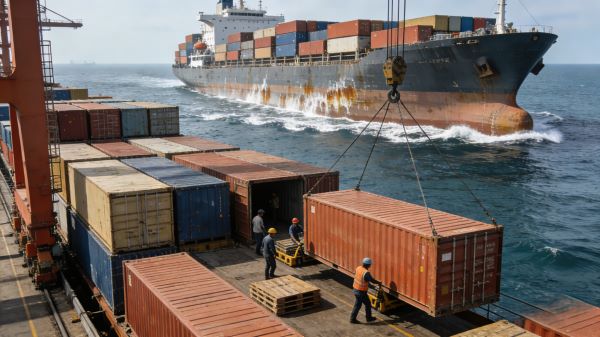
How Can Forwarders Leverage FCL to Maximize Client Value?
Maximizing unit cost with FCL is not just about reducing expenses—it’s also about delivering value to clients, which in turn enhances client retention and generates repeat business. Forwarders can leverage FCL to offer additional benefits that go beyond cost savings.
Offer Personalized FCL Solutions
One way to maximize client value is to provide personalized FCL solutions tailored to the client’s specific needs. For example, for clients with time-sensitive cargo, forwarders can recommend expedited FCL services, such as priority loading or direct routes, even if it comes with a slightly higher cost. For clients focused on sustainability, forwarders can suggest eco-friendly containers or carriers with lower carbon emissions—according to UNCTAD 2025 data, 65% of shippers are willing to pay a premium for sustainable shipping options.
Prioritize Transparency in Operations
Forwarders should note that transparency is key to building client trust. Providing detailed cost breakdowns, real-time tracking updates, and clear communication about potential delays or issues helps clients feel informed and confident in the forwarder’s services. Clients are more likely to remain loyal if they understand how their FCL shipment is being managed and why certain decisions are made. Forwarders can also provide regular reports on shipment status to keep clients updated.
Provide Value-Added Services
The recommended approach is to offer value-added services alongside FCL shipments, such as cargo insurance, packaging consulting, or post-delivery support. These services not only generate additional revenue for forwarders but also help clients streamline their supply chain and reduce stress. For example, offering packaging consulting can help clients optimize their cargo loading, maximizing container space and reducing unit costs further. Cargo insurance also provides clients with peace of mind, knowing that their goods are protected against loss or damage.
Educate Clients on FCL Best Practices
Another way to maximize client value is to educate clients on FCL best practices. Many shippers may not fully understand how to pack cargo efficiently or how to avoid common mistakes that lead to additional costs. Forwarders can provide resources, such as packing guides or webinars, to help clients improve their FCL operations, which in turn reduces issues for the forwarder and enhances the overall shipping experience. This education can also help clients make more informed decisions about their shipping needs.
What Are the Future Trends Shaping FCL Shipping for Forwarders?
The FCL shipping landscape is evolving, driven by digitalization, sustainability, and geopolitical changes, and forwarders must adapt to these trends to remain competitive. Understanding future trends helps forwarders anticipate market changes and position themselves as industry leaders.
Trend 1: Digitalization of FCL Operations
Digitalization is one of the most significant trends, with more forwarders adopting digital platforms for booking, tracking, and documentation. According to Drewry 2026 Q1 data, 82% of forwarders plan to invest in digital FCL management tools by 2027, as these tools streamline operations, reduce errors, and improve client communication. Digital platforms also enable forwarders to access real-time rate data, making it easier to secure competitive pricing for clients. Additionally, artificial intelligence (AI) and machine learning (ML) are being used to predict shipment delays and optimize routes.
Trend 2: Growing Focus on Sustainability
Sustainability is another key trend, with governments and shippers increasingly focused on reducing carbon emissions in shipping. The International Maritime Organization (IMO) has set targets to reduce shipping-related carbon emissions by 40% by 2030 and 70% by 2050 compared to 2008 levels. Forwarders can leverage this trend by offering eco-friendly FCL options, such as using containers made from recycled materials, partnering with carriers that use alternative fuels (e.g., LNG, hydrogen), or optimizing routes to reduce fuel consumption. This not only meets client demands but also aligns with global sustainability goals.
Trend 3: Geopolitical Shifts and Route Diversification
Geopolitical changes are also shaping FCL shipping, with route diversions becoming more common due to tensions in key shipping lanes. For example, ongoing tensions in the Red Sea have led to significant route diversions, increasing transit times and costs for FCL shipments. Forwarders must stay informed about geopolitical developments and have contingency plans in place to minimize disruptions for clients. This may include diversifying routes, using alternative shipping lanes, or partnering with carriers that have robust contingency plans.
Adapting to Future Trends
A common mistake for forwarders is failing to adapt to these trends, which can lead to lost business to competitors who offer more modern, sustainable, and efficient FCL services. The recommended approach is to invest in digital tools, prioritize sustainability, and stay updated on geopolitical developments to ensure that FCL operations remain efficient and competitive. Forwarders should also train their teams to handle new technologies and sustainability practices to stay ahead of the curve.
In conclusion, Full Container Load (FCL) is a cornerstone of international freight forwarding, offering significant unit cost benefits for forwarders and their clients. By understanding what FCL is, mastering its operational details, addressing common challenges, and leveraging future trends, forwarders can maximize unit cost, deliver exceptional client value, and remain competitive in a dynamic market. Whether working with large shippers or mid-sized clients, FCL remains a critical tool for forwarders looking to optimize their services and drive long-term success.
Last
Business Scale: Why What is Termed FCL Suits Large Importers
For global freight forwarders serving large importers, understanding What is FCL (Full Container Load) is vital to delivering tail
Next
Data Accuracy: Key Precautions for the Bill of Lading Draft
In the international freight forwarding industry, the bill of lading (B/L) draft serves as the preliminary foundation for the offi

