




In the competitive landscape of international freight forwarding, mastering the Container Loading Process is pivotal for reducing costs, minimizing delays, and improving client satisfaction. Forwarders that prioritize load optimization often gain a distinct edge in a market where every cubic meter and every minute counts.
What Is Container Load Optimization, and Why Does It Matter for Forwarders?
Container load optimization is the strategic planning and execution of packing cargo into containers to maximize space utilization, ensure safety, and streamline the entire shipping process. It goes beyond simple stacking; it involves balancing weight distribution, cargo compatibility, and operational efficiency to reduce waste and risks.
The Cost Impact of Inefficient Load Optimization
For global freight forwarders, load optimization is not just an operational task—it is a core component of cost management and client retention. According to Freightos Baltic Index (FBX) 2026 Q1 data, inefficient container loading can increase shipping costs by 16% to 22% due to wasted space, additional containers, and potential cargo damage. In an industry where profit margins are often tight, these savings can translate to significant competitive advantages.
Risks of Poor Load Optimization Beyond Costs
Forwarders should note that poor load optimization does not just impact costs; it also leads to increased transit times and higher risk of cargo damage. A 2025 UNCTAD report found that approximately 8.5% of global container cargo damage is directly linked to improper loading practices, including unbalanced weight distribution and inadequate securing of goods. This damage not only results in financial losses but also damages a forwarder’s reputation, as clients rely on timely and safe delivery of their goods.
The recommended approach is to integrate load optimization into every stage of the Container Loading Process, from cargo assessment to final securing. By doing so, forwarders can not only reduce costs but also improve reliability, which is a key factor in retaining long-term client relationships in the global freight industry.
How to Assess Cargo Characteristics for Optimal Loading?
Assessing cargo characteristics is the foundational step in load optimization, as it determines how cargo should be arranged, secured, and distributed within a container. This assessment involves evaluating weight, dimensions, fragility, and compatibility of each cargo item before loading begins.
Calculate Exact Cargo Weight: Obtain precise weight measurements for each cargo item, including packaging. A common mistake is estimating weight, which can lead to unbalanced loads and potential violations of SOLAS VGM (Verified Gross Mass) regulations. Forwarders should use calibrated scales and require detailed weight documentation from shippers to ensure accuracy.
Measure Cargo Dimensions: Record the length, width, and height of each cargo unit to determine how they can fit within the container’s internal dimensions. Standard 20ft dry containers have an internal volume of approximately 33.2 cubic meters, while 40ft high cube containers offer around 76.4 cubic meters, but these figures can vary slightly by manufacturer.
Evaluate Cargo Fragility: Classify cargo as fragile, semi-fragile, or non-fragile to determine stacking limits and securing requirements. Fragile items, such as electronics or glassware, should be placed in areas with minimal pressure, away from heavy cargo, and secured with appropriate dunnage and padding materials.
Check Cargo Compatibility: Ensure that cargo items are compatible and do not pose risks when stored together. For example, hazardous materials (hazmat) must be separated according to IMDG Code 2024 Amendments requirements, and items sensitive to moisture should not be placed near liquids. According to the 2025 update to the IMDG Code, improper segregation of incompatible cargo is a leading cause of container-related incidents, accounting for 12% of all maritime cargo incidents.
Forwarders should note that cargo assessment is not a one-time task; it should be repeated whenever there is a change in cargo type, quantity, or packaging. This ensures that the loading plan remains accurate and adaptable to different shipping scenarios.
What Are the Key Principles of Weight Distribution in Container Loading?
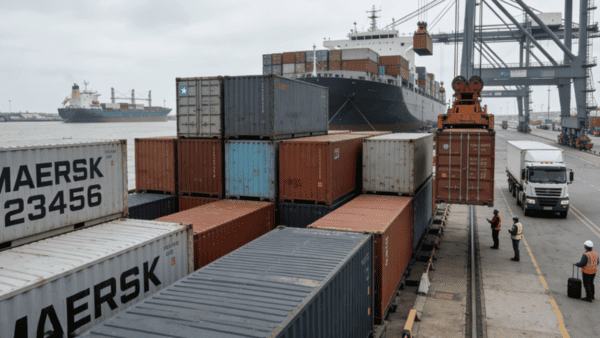
Proper weight distribution is critical for the safety and efficiency of the Container Loading Process, as unbalanced loads can lead to container instability, damage to cargo, and even accidents during transit. The goal is to distribute weight evenly across the container’s floor and maintain a low center of gravity.
The recommended approach is to follow the “heavy cargo low, light cargo high” principle. Heavy items should be placed on the bottom of the container, close to the center, to lower the center of gravity and reduce the risk of tipping. Lightweight items can then be stacked on top, ensuring that the total weight does not exceed the container’s maximum payload capacity.
Data on Risks of Unbalanced Weight Distribution
According to Shanghai International Shipping Center 2026 Q1 data, containers with unbalanced weight distribution are 3.2 times more likely to experience cargo damage during transit compared to properly balanced containers. For example, a 40ft container with a heavy load concentrated on one side can cause the container to shift during loading, unloading, or sea transit, leading to crushed or damaged goods and potential safety hazards for port workers.
Avoid Concentrated Weight: Spread heavy cargo evenly across the container’s floor rather than concentrating it in one area. This prevents excessive pressure on the container’s structure and reduces the risk of floor damage, which can result in costly repairs and delays.
Maintain a Low Center of Gravity: Stack heavy items first, followed by lighter items, to keep the center of gravity as low as possible. This is especially important for containers transported by sea, where rough seas can cause significant movement and instability.
Balance Front-to-Back and Side-to-Side: Ensure that the weight is distributed evenly from the front to the back and from one side to the other of the container. A common mistake is neglecting side-to-side balance, which can cause the container to lean during handling by cranes or forklifts.
Adhere to Payload Limits: Never exceed the container’s maximum payload capacity, which is typically 21,600 kg for a 20ft container and 26,500 kg for a 40ft container. Exceeding these limits can result in fines from port authorities, delays in transit, and serious safety hazards.
How to Choose the Right Container Type for Load Optimization?
Selecting the appropriate container type is a key aspect of load optimization, as different container types are designed for specific cargo types and loading requirements. Choosing the wrong container can lead to wasted space, increased costs, and cargo damage.
Forwarders should note that the most commonly used container types include dry van containers, high cube containers, flat rack containers, open top containers, and reefer containers. Each type has unique features that make it suitable for specific cargo, and understanding these features is essential for optimizing the Container Loading Process.
Dry Van Containers: These are the standard containers used for most non-perishable, dry cargo, such as cartons, pallets, and packaged goods. They are available in 20ft and 40ft sizes and are often the most cost-effective option for general cargo. The recommended approach is to use dry van containers for cargo that does not require temperature control or special handling.
High Cube Containers: These containers are 1ft taller than standard dry van containers, offering additional vertical space for tall or bulky cargo. They are ideal for items such as furniture, machinery, and large cartons that can benefit from extra height. According to Shanghai Port 2026 Q1 data, high cube containers are increasingly popular among forwarders, with a 14% increase in usage compared to 2025.
Flat Rack Containers: Designed for oversized or irregularly shaped cargo, such as heavy machinery, construction equipment, or large pipes, flat rack containers have collapsible sides that allow for easy loading and unloading via crane. A common mistake is using flat rack containers for small, lightweight cargo, which wastes space and increases costs.
Open Top Containers: These containers have an open top, making them suitable for cargo that is too tall to fit in a standard container or requires overhead loading, such as large machinery or building materials. They are often used in combination with tarps and securing ropes to protect cargo from the elements.
Reefer Containers: Used for perishable cargo that requires temperature control, such as food, pharmaceuticals, and flowers. Reefer containers maintain a consistent temperature throughout transit, and forwarders must ensure that the cargo is loaded in a way that allows for proper air circulation to prevent spoilage and maintain cargo integrity.
What Are the Best Practices for Securing Cargo in Containers?
Securing cargo properly is essential to prevent movement during transit, which can cause damage, delays, and safety hazards. The Container Loading Process is incomplete without effective cargo securing, as even small movements can lead to significant losses.
Data on Cargo Damage from Improper Securing
According to a 2025 report from the International Maritime Organization (IMO), improper cargo securing is responsible for approximately 27% of all container cargo damage incidents, resulting in an estimated $2.3 billion in annual losses globally. This highlights the importance of following best practices for securing cargo, regardless of the cargo type or container size.
Use Appropriate Securing Materials: Choose securing materials that are strong enough to hold the cargo in place during transit. Common materials include lashing straps (polyester or steel), chains, wooden braces, airbags, and foam padding. The recommended approach is to use materials that are compatible with the cargo type—for example, using soft padding for fragile items and heavy-duty steel chains for heavy machinery.
Fill Empty Spaces: Use dunnage (such as wooden blocks, cardboard, or airbags) to fill any empty spaces between cargo items. This prevents movement during transit and reduces the risk of damage. A common mistake is leaving large gaps between cargo, which allows items to shift and collide with each other during rough seas or road transport.
Secure Cargo to Container Anchors: Most containers are equipped with lashing points (anchor points) along the walls and floor. Use lashing straps or chains to secure cargo to these anchors, ensuring that the straps are tight and evenly tensioned. Forwarders should note that over-tightening straps can damage cargo, while under-tightening can allow movement.
Stack Cargo Properly: Stack cargo in a stable manner, ensuring that heavier items are on the bottom and lighter items on top. Avoid stacking fragile items too high, and use pallets to keep cargo off the floor and improve stability. For palletized cargo, use stretch wrap to secure items to the pallet before loading into the container, reducing the risk of shifting.
Follow Hazardous Materials Guidelines: For hazardous cargo, follow the IMDG Code 2024 Amendments requirements for securing and segregation. Hazardous materials must be secured in a way that prevents leakage, and incompatible materials must be separated to avoid chemical reactions that could lead to fires, explosions, or contamination.
How Can Technology Improve Container Load Optimization?
Technology plays an increasingly important role in optimizing the Container Loading Process, helping forwarders streamline operations, reduce errors, and improve efficiency. From load planning software to real-time tracking tools, technology offers a range of solutions to enhance load optimization.
Impact of Technology on Load Optimization Efficiency
According to a 2026 survey by the International Federation of Freight Forwarders Associations (FIATA), forwarders that use load optimization software report a 12% to 17% increase in space utilization and a 22% reduction in cargo damage compared to those that rely on manual planning. This data highlights the value of integrating technology into the Container Loading Process.
Load Planning Software: These tools use advanced algorithms to create optimal loading plans based on cargo dimensions, weight, and compatibility. Software such as CargoWiz, CubeMaster, and EasyCargo allows forwarders to simulate loading scenarios, identify potential issues (such as weight imbalances), and adjust plans before loading begins. The recommended approach is to use software that integrates with other logistics systems, such as inventory management and shipping tracking platforms.
3D Visualization Tools: 3D visualization allows forwarders to see a virtual representation of the loaded container, making it easier to identify space gaps, weight imbalances, and potential cargo damage risks. This technology helps forwarders make more informed decisions and adjust loading plans in real time, reducing the need for reloading.
Real-Time Weight Monitoring: Wireless weight sensors (compatible with SOLAS VGM requirements) can be used to monitor the weight distribution of the container during loading, ensuring that the load remains balanced and within payload limits. These sensors provide real-time data, allowing forwarders to make adjustments immediately if weight imbalances are detected.
IoT and Tracking Devices: IoT (Internet of Things) devices can track the location, temperature, and condition of the container and cargo during transit. This information helps forwarders monitor the safety of the cargo and identify any issues that may arise, such as temperature fluctuations (critical for reefer cargo) or excessive container movement.
Forwarders should note that while technology can significantly improve load optimization, it is not a replacement for human expertise. The most effective approach is to combine technology with experienced logistics staff who can interpret data, make adjustments, and ensure that all loading practices comply with international regulations and safety standards.
What Common Mistakes Should Forwarders Avoid in the Container Loading Process?
Even with careful planning, forwarders often make common mistakes in the Container Loading Process that lead to inefficiencies, costs, and cargo damage. Recognizing and avoiding these mistakes is essential for optimizing load efficiency and maintaining client trust.
Estimating Cargo Weight or Dimensions: A common mistake is relying on estimates rather than precise measurements for cargo weight and dimensions. This can lead to unbalanced loads, wasted space, and violations of SOLAS VGM regulations. Forwarders should always require accurate weight and dimension documentation from shippers and verify these measurements themselves using calibrated equipment.
Ignoring Cargo Compatibility: Failing to check cargo compatibility can lead to chemical reactions, contamination, or damage. For example, storing food items near hazardous chemicals or moisture-sensitive items near liquids can result in spoilage or damage. The recommended approach is to create a cargo compatibility checklist and review it before loading, in compliance with IMDG Code guidelines for non-hazardous and hazardous cargo.
Overlooking Container Maintenance: Using containers that are damaged, rusted, or leaky can lead to cargo damage and safety hazards. Forwarders should inspect containers before loading to ensure they are in good condition, with no holes, dents, or structural damage. According to Shanghai Port 2026 Q1 data, approximately 5.5% of cargo damage incidents are linked to damaged containers, with the majority of issues related to floor damage or water leakage.
Rushing the Loading Process: Rushing to load containers can lead to careless mistakes, such as improper securing, unbalanced weight distribution, and missed space optimization opportunities. Forwarders should allocate sufficient time for loading and ensure that staff follow established Standard Operating Procedures (SOPs) for the Container Loading Process.
Neglecting Documentation: Incomplete or inaccurate documentation, such as bill of lading (B/L), packing list, or VGM certificate, can lead to delays at ports and customs. Forwarders should ensure that all documentation is complete, accurate, and compliant with international shipping regulations, including those set by the World Customs Organization (WCO).
How to Measure the Success of Container Load Optimization?
Measuring the success of load optimization is essential for forwarders to identify areas for improvement and demonstrate value to clients. Key performance indicators (KPIs) can help track efficiency, cost savings, and cargo safety throughout the Container Loading Process.
Space Utilization Rate: This KPI measures the percentage of the container’s internal volume that is used for cargo. A higher space utilization rate indicates better load optimization. According to Freightos Baltic Index (FBX) 2026 Q1 data, the average space utilization rate for global forwarders is approximately 77%, but top-performing forwarders achieve rates of 86% or higher.
Cargo Damage Rate: The percentage of cargo that is damaged during transit due to loading issues. A lower damage rate indicates effective load optimization and securing. The recommended target is a damage rate of less than 0.8%, as higher rates can lead to increased costs, insurance claims, and client dissatisfaction.
Cost per Unit of Cargo: This KPI measures the cost of shipping per unit of cargo, including container costs, handling fees, and damage costs. Effective load optimization should reduce the cost per unit by maximizing space and minimizing damage, directly improving profit margins.
On-Time Delivery Rate: While on-time delivery is influenced by many factors (such as port congestion and weather), proper load optimization can reduce delays caused by cargo damage, reloading, or port inspections. A higher on-time delivery rate is a key indicator of successful load optimization and overall operational efficiency.
Forwarders should regularly review these KPIs and make adjustments to their load optimization strategies as needed. This continuous improvement approach helps forwarders stay competitive and adapt to changing market conditions, such as fluctuating freight rates and evolving regulatory requirements.
In conclusion, load optimization is a critical aspect of the Container Loading Process that directly impacts cost, efficiency, and client satisfaction for global freight forwarders. By following the principles of cargo assessment, weight distribution, container selection, cargo securing, and technology integration, forwarders can significantly enhance their operations. Avoiding common mistakes and measuring success through KPIs ensures that load optimization efforts deliver tangible results. As the global freight industry continues to evolve, forwarders that prioritize load optimization will be better positioned to meet client needs and succeed in a competitive market. Mastering the Container Loading Process through strategic optimization is not just a best practice—it is a necessity for long-term success in international freight forwarding.
Last
Safety Standards: The Forwarder's Role in the Container Loading Process
In the global freight forwarding industry, adhering to strict safety standards during the Container Loading Process is non-negotia
Next
How Forwarders Can Optimize Administrative Fees for the Bill of Lading
For global freight forwarders, effectively managing Bill of Lading Fees is a critical part of optimizing operational costs and mai

