




What is FOB Trade Term?
The FOB (Free on Board) trade term is an Incoterm (International Commercial Term) pivotal in international trade. It precisely demarcates the moment when the risk of loss or damage to goods shifts from the seller to the buyer. Under FOB, the seller's obligation is to deliver the goods on board a vessel designated by the buyer at the specified port of shipment. Once the goods are on board, the onus of risk transfers to the buyer, who then assumes all costs related to subsequent transportation, insurance, and final delivery of the goods.
What are the Core Elements of FOB Trade Term?
Who are the Involved Parties in an FOB Transaction?In an FOB transaction, the two primary parties are the seller and the buyer. The seller shoulders the responsibility of preparing the goods for shipment, ensuring export clearance, and loading them onto the vessel at the named port. The buyer, conversely, is tasked with chartering the vessel, arranging insurance (although this can be subject to negotiation), and covering all costs from the point the goods are on board.
How is Cost Allocated in an FOB Transaction?
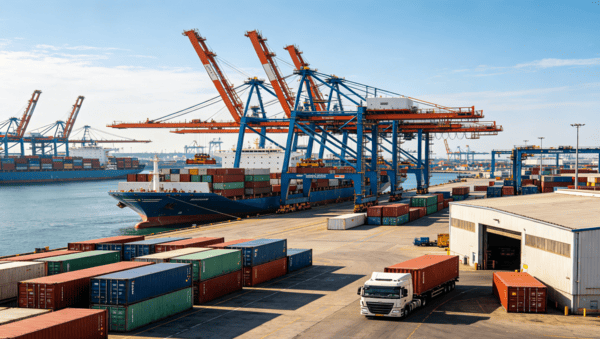
What are the Seller's Costs?The seller is accountable for all costs up to and including the loading of the goods onto the vessel. This encompasses the cost of goods production, inland transportation to the port, export documentation, and loading charges. For example, a Chinese seller exporting toys to the UK under FOB terms would bear the costs of manufacturing the toys, transporting them to the Chinese port, and loading them onto the ship. These loading charges can vary significantly, often influenced by factors like the type of goods and port infrastructure. As reported by industry analysts, for specialized or heavy-duty items, loading charges can range from a few hundred to several thousand dollars.
What are the Buyer's Costs?Once the goods are on board, the buyer takes over. The buyer is responsible for ocean freight, insurance (if not arranged by the seller as per the agreement), unloading at the destination port, import duties, and any subsequent inland transportation to the final destination. For instance, the UK buyer would pay for shipping the toys from the Chinese port to the UK, insurance during transit, and all costs associated with getting the toys from the UK port to their distribution center. Ocean freight costs are subject to fluctuations based on distance, market rates, and the nature of the goods. Insurance costs, typically calculated as a percentage of the goods' value, can add a significant portion to the buyer's expenses.
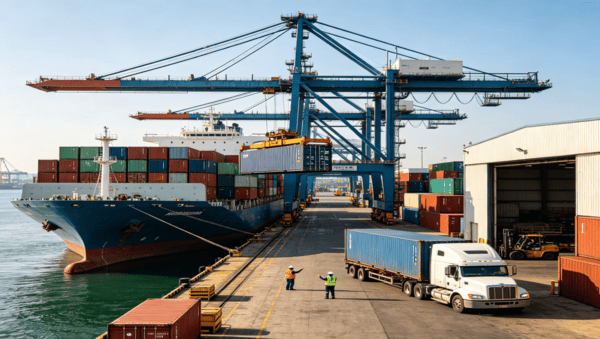
When Does Risk Transfer in an FOB Transaction?The risk of loss or damage to the goods transfers from the seller to the buyer when the goods cross the ship's rail at the named port of shipment. This implies that if any damage occurs to the goods after they have crossed the ship's rail, the buyer is liable, even if the seller still holds the shipping documents. For example, if a consignment of glassware is damaged during rough seas after being loaded onto the ship, the buyer must bear the loss as the risk has already transferred.
What are the Document Requirements in an FOB Transaction?The seller is generally required to provide the buyer with commercial invoices, packing lists, and a bill of lading. The bill of lading is a crucial document as it serves as evidence of the contract of carriage and the receipt of goods. It also represents the title to the goods. The seller must ensure that the bill of lading accurately reflects the details of the shipment, such as the description of goods, quantity, and the port of loading and discharge. Any inaccuracies in these documents can lead to significant issues, including customs delays and disputes between the buyer and the seller.
How is FOB Trade Term Applied in the Real-World?
Consider a real-world scenario where an Argentinean wine exporter has a contract with a Canadian retailer under FOB terms. The port of shipment is Buenos Aires. The Argentinean exporter is responsible for grape cultivation, wine production, bottling, and packaging. They then arrange for the wine to be transported to the port of Buenos Aires and loaded onto the vessel nominated by the Canadian buyer. Once the wine is on board, the risk of any damage or loss to the wine transfers to the Canadian buyer. The Canadian buyer is then responsible for arranging the ocean freight from Buenos Aires to a Canadian port, say Vancouver. They also need to purchase insurance for the wine during transit. When the wine arrives in Vancouver, the Canadian buyer is responsible for paying the import duties and arranging for the inland transportation of the wine to their stores across Canada. This example showcases how FOB clearly defines the responsibilities of each party throughout the trade process.
What are the Common Misconceptions about FOB Trade Term?
Is Risk Transfer the Same as Ownership Transfer in FOB?A prevalent misunderstanding is that risk transfer is equivalent to the transfer of ownership in FOB terms. In reality, while risk transfers when the goods pass the ship's rail, ownership transfer may occur at a different point, often tied to payment terms or as otherwise specified in the contract. For example, the seller may retain ownership until the buyer has made full payment, even though the risk has already shifted to the buyer. This can have significant implications in case of disputes or non-payment.
Is the Seller Always Responsible for Insurance in FOB?Some may wrongly assume that the seller is always in charge of arranging insurance in an FOB transaction. In fact, the buyer generally shoulders the responsibility for insurance. Although the seller can act as an agent to arrange insurance on the buyer's behalf, the buyer remains accountable for the cost and ensuring adequate coverage. This misperception can lead to gaps in insurance coverage if not clarified between the parties.
What is the Step-by-Step Process in an FOB Transaction?
What is the First Step in an FOB Transaction?The initial step involves the buyer and seller negotiating the contract terms. This includes determining the price, quantity, quality of goods, and specifically, the FOB terms. They must also clearly specify the port of shipment. This negotiation stage is crucial as it sets the foundation for the entire transaction.
What Does the Seller Do After Contract Negotiation?After the contract is negotiated, the seller proceeds to prepare the goods in accordance with the contract requirements. This may involve manufacturing, quality-checking, packaging, and labeling the goods. Ensuring the goods meet the specified quality standards is of utmost importance at this stage.
What is the Buyer's Responsibility Regarding the Vessel?The buyer is then responsible for nominating a suitable vessel for the shipment. They need to communicate the vessel's details, such as its name, expected arrival time at the port of shipment, and any specific loading requirements, to the seller. Timely and accurate communication at this step is essential to ensure a smooth loading process.
What are the Seller's Responsibilities for Goods Delivery and Loading?The seller arranges for the inland transportation of the goods to the port of shipment and oversees their loading onto the vessel. They must ensure that the goods are properly loaded, taking into account factors like proper stowage and securing of the goods. Simultaneously, the seller needs to prepare all relevant documentation, such as commercial invoices and packing lists, accurately.
When Does Risk Transfer in the Step-by-Step Process?Once the goods cross the ship's rail, the risk transfers from the seller to the buyer. This is a critical moment in the transaction, after which the buyer becomes responsible for any potential losses or damages to the goods.
What are the Buyer's Responsibilities for Transportation and Insurance?The buyer then arranges for the ocean freight and insurance. They need to choose a reliable freight carrier and an appropriate insurance policy to safeguard the goods during transit. Additionally, the buyer is responsible for handling all customs clearance and transportation formalities at the destination port.
What is the Final Step in an FOB Transaction?The final step involves the buyer taking delivery of the goods at the destination port and arranging for their further transportation to the final destination, whether it's a warehouse, distribution center, or retail location. This step requires careful coordination to ensure the timely and safe arrival of the goods.
What are the Fees and Costs in an FOB Transaction?
What Costs Does the Seller Bear in an FOB Transaction?The seller incurs several costs. Production costs form a significant part, along with inland transportation to the port, export documentation fees, and loading charges. Inland transportation costs can vary depending on the distance from the production facility to the port and the mode of transportation used. Export documentation fees cover the cost of preparing necessary documents like commercial invoices, packing lists, and certificates of origin. Loading charges, as mentioned earlier, can be substantial, especially for complex or heavy-duty goods. These costs are essential for the seller to fulfill their obligations under FOB.
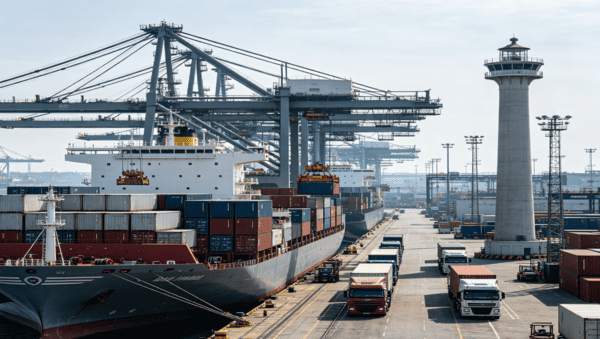
What Costs Does the Buyer Bear in an FOB Transaction?The buyer's cost structure is more extensive. Ocean freight costs can be a major expense, influenced by factors such as the distance between the ports, the type of goods, and market rates. Insurance costs, calculated as a percentage of the goods' value, are another significant component. Import duties and taxes, which vary depending on the nature of the goods and the destination country's regulations, add to the buyer's expenses. Inland transportation costs at the destination, from the port to the final destination, also need to be factored in. All these costs combined can have a significant impact on the buyer's overall cost of acquisition.
What are the Expert Tips for Dealing with FOB Trade Term?
Why Should Freight Forwarders Understand Incoterms Thoroughly?Freight forwarders play a crucial role in FOB transactions. A deep understanding of FOB and other Incoterms enables them to provide accurate advice to their clients. They can explain the implications of FOB in terms of cost, risk, and responsibility allocations, helping clients make informed decisions. This knowledge also allows forwarders to anticipate potential issues and proactively address them.
Why is Accurate Documentation Important in FOB Transactions?Accurate documentation is the backbone of FOB transactions. Any errors in the commercial invoice, packing list, or bill of lading can lead to a cascade of problems. Customs authorities may delay clearance, causing additional costs such as demurrage charges. Disputes between the buyer and the seller may also arise, potentially leading to legal issues. Therefore, freight forwarders should ensure that all documentation is meticulously prepared and verified.
Why is Communication Key in FOB Transactions?Open and clear communication between the buyer and the seller is essential. It helps prevent misunderstandings regarding vessel nomination, delivery schedules, and any changes in the transaction. For example, if the buyer needs to change the vessel due to unforeseen circumstances, early communication with the seller can avoid disruptions in the loading process and ensure a smooth transfer of risk. Regular communication also builds trust between the parties, contributing to the success of the transaction.
Why Should Freight Forwarders Stay Informed about Market Rates?Freight forwarders need to stay abreast of ocean freight rates, insurance premiums, and other relevant market factors. Fluctuations in these rates can significantly impact the cost of the transaction. By being informed, forwarders can provide clients with accurate cost-estimates and timely advice. For instance, if there is an impending increase in ocean freight rates, the forwarder can help the buyer plan and potentially negotiate better terms with the seller.
Conclusion and Key Takeaways
The FOB trade term is a cornerstone of international trade. It clearly defines the responsibilities, costs, and risk transfer between the buyer and the seller. By understanding its core elements, real-world applications, avoiding common misconceptions, following the step-by-step process, and taking expert advice, freight forwarders can effectively navigate FOB-based trade transactions. Remember, a comprehensive understanding of the FOB trade term is essential for successful international freight forwarding operations.
Last
What is HS Code? A Comprehensive Guide for Freight Forwarders
1. What is HS Code?The HS Code, short for Harmonized System Code, is a globally-recognized classification system for traded produc
Next
EXW Trade Term: A Comprehensive Guide for Freight Forwarders
What is EXW Trade Term?EXW, short for Ex Works, is an Incoterm (International Commercial Term) that represents one of the most bas

