




The impact of a magnitude-7.5 earthquake in Colombia is spreading from the affected areas to international logistics networks. The earthquake struck on August 10, local time, after which the government declared a state of national disaster. As of the morning of August 11, 132 people had been killed and 570 injured. For global freight forwarders, the disruption has extended to port operations, ocean shipping, and inland transportation.
Key Highlights
• Buenaventura operations suspended: Terminals are conducting safety and infrastructure assessments.
• Two Maersk vessels affected: Luna Maersk was unable to complete cargo operations, while Gudrun Maersk will omit its Buenaventura call.
• Several roads closed: Major transportation routes, including the Buga–Buenaventura road, have been affected.
• Cargo to be rescheduled: Affected containers will be transferred to the next available vessel.
• Resumption date remains uncertain: Maersk is continuing to assess its local operations.
Port Suspension Has Already Affected Sailing Schedules
Following the earthquake, terminal operations at Buenaventura, a major Pacific port in Colombia, were temporarily suspended. Vessel calls, cargo handling, and related port services have all been affected. Safety and infrastructure inspections are underway, and no confirmed resumption time has been announced. Cargo already at the port or scheduled to move through it may therefore face operational changes.
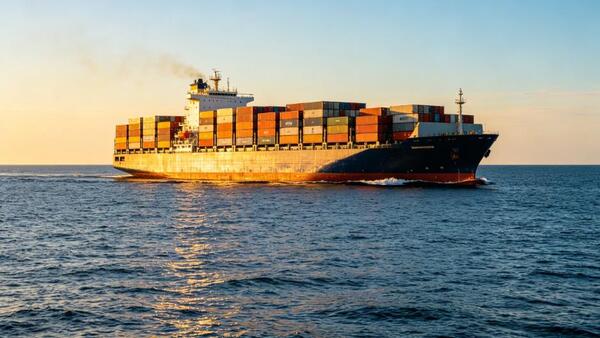
The suspension has also affected Maersk’s sailing schedules. Luna Maersk 628W was unable to complete all cargo operations during its call at Buenaventura. Containers that were not loaded or discharged will be transferred to the next available vessel. Gudrun Maersk 628E/633W will omit Buenaventura, and cargo originally scheduled to move on the vessel will also need to be rescheduled.
For freight forwarders with confirmed bookings or cargo already in transit, the nominated vessel, sailing schedule, and estimated arrival time may all change. Companies handling imports to or exports from Colombia should confirm the current location of their cargo and whether it will need to be transferred to another sailing or delayed.
Disruption Extends Beyond the Port
The earthquake has affected more than port operations. According to Maersk, sections of the Calarcá–Ibagué, Buga–Buenaventura, and Manizales–Fresno roads are currently closed. The Buga–Buenaventura road connects the port with inland Colombia, and its condition will directly affect cargo movements to and from the port and inland deliveries.
This means that even after operations resume at Buenaventura, inland transportation may become another bottleneck. Container pickup, trucking arrangements, and transit times from the port to inland destinations could all be affected by road restrictions. Freight forwarders therefore need to consider more than the terminal’s operational status when assessing when normal cargo movements can resume.
Some critical transportation infrastructure is also being inspected, while routes in several areas have been affected to varying degrees. The recovery of ports, roads, and related infrastructure will collectively determine when Colombia’s logistics network can gradually return to normal.
Not All Logistics Facilities in Colombia Have Been Affected
Maersk has reported no operational impact at its Cartagena warehouse, Bogotá warehouse, Tocancipá logistics centre, or Cartagena container yard. The disruption is therefore mainly concentrated at Buenaventura and parts of the related inland transportation network and does not indicate a nationwide shutdown of Colombia’s logistics system.
Freight forwarders should assess the impact on each shipment according to its port, destination, and transportation route. Cargo unrelated to Buenaventura may face limited direct disruption, while imports, exports, and inland movements involving the port require closer attention.
What Should Freight Forwarders Confirm?
For Colombian cargo that has already been booked or is currently in transit, freight forwarders should confirm four points: whether the sailing schedule has changed, whether the Buenaventura call has been omitted, whether the cargo needs to be transferred to another vessel, and whether inland transportation between the port and the final destination remains available.
For cargo with specific delivery deadlines, alternative sailing schedules and inland transportation arrangements should be assessed in advance. When port suspensions and road restrictions occur at the same time, delays may result from disruption across several stages rather than a single logistics node.
The incident also shows how the effects of a natural disaster can spread through the transportation chain. A port suspension may affect sailing schedules, schedule changes may delay cargo delivery, and simultaneous road closures may extend transit times further.
Maersk is coordinating with its local teams, terminal operators, government authorities, and logistics partners while continuing to assess contingency measures. Freight forwarders handling shipments involving Colombia should monitor cargo status and allow for possible sailing schedule changes and inland transportation delays.
The recovery of Buenaventura will remain a key issue for Colombia’s ocean shipping operations. If port, vessel, and inland transportation services gradually resume in coordination, the logistics impact may ease. Until then, freight forwarders handling affected cargo should continue to monitor carrier notices and local transportation updates.
Sources
Maersk
Disclaimer
This article is based on publicly available information and is provided solely for reference within the international logistics industry.
Last
Maersk and Hapag-Lloyd Resume Red Sea Transits:AE19 Rerouted via the Suez Canal, Potentially Shortening Asia-Europe Transit Times
After more than a year of diversions around the Cape of Good Hope, routing on Asia–Europe services is beginning to change. On Augu
Next
Strait of Hormuz Attack Follow-Up: Thai Shipowner Receives USD 10.98 Million Insurance Payout, Three Crew Members File Lawsuit
In March, the Thai bulk carrier Mayuree Naree was struck by two projectiles shortly after leaving the Arabian Gulf and passing thr

