




Shipping from Shanghai to Tokyo functions as a core short-sea maritime logistics pillar for bolstering cross-border industrial collaboration and cross-border component distribution between Chinese manufacturing clusters and Japanese precision production and assembly facilities. Bilateral industrial supply chains rely on stable scheduled container liner services to sustain cyclical parts replenishment, semi-finished product transshipment and finished goods distribution cadences. According to Japan Maritime Center 2025 full-year container cargo statistics, industrial manufacturing cargo accounts for over 65% of total containerized shipment volume transported via Shipping from Shanghai to Tokyo throughout the year.
What manufacturing cooperation frameworks rely on Shanghai to Tokyo sea freight support?
China-Japan manufacturing linkages represent cross-border industrial collaboration covering raw material procurement, spare parts transshipment, semi-finished product subcontracting and finished goods regional distribution across cross-border production bases. All these industrial cooperative activities depend on reliable liner scheduling and professional end-to-end freight forwarding coordination. Forwarders should note that industrial manufacturing container cargo requires higher schedule reliability standards compared with conventional consumer goods general cargo.
Why do Japan-focused manufacturing supply chains need stable Shanghai-Tokyo maritime logistics?
Japanese mainstream manufacturing enterprises adopt just-in-time lean production systems, which require frequent small-batch, time-definite material deliveries to avoid production line suspension and excessive inventory backlog accumulation. Any maritime logistics schedule fluctuation on short-sea routes will directly affect factory assembly efficiency and cross-border industrial matching progress. According to UNCTAD 2025 regional maritime supply chain report, short-sea industrial shipping lanes effectively reduce inventory capital pressure for manufacturing shippers compared with long-distance deep-sea tradelanes.
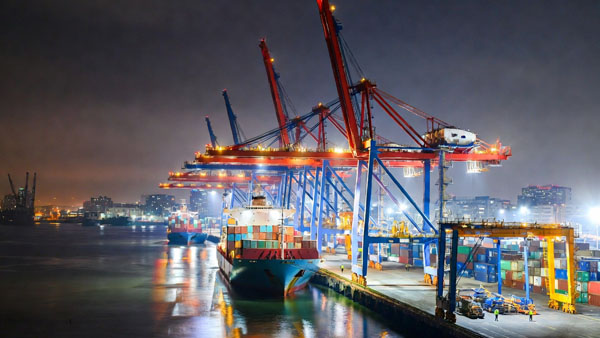
How does sea freight schedule stability support lean just-in-time production?
Predictable vessel departure and arrival cycles enable Japanese manufacturing plants to arrange material receiving planning, production line scheduling and finished product delivery without maintaining high-volume safety stock. Stable transit lead times for Shipping from Shanghai to Tokyo help manufacturers cut warehouse occupation costs and reduce capital occupation tied up in idle industrial inventory reserves.
How does efficient sea freight optimize cross-border industrial labor division?
Chinese industrial clusters focus on preliminary parts processing and component manufacturing, while Japanese factories specialize in precision assembly and finished product final processing. Efficient short-sea shipping ensures timely cross-border handover of semi-finished goods, forming a stable and continuous cross-border industrial division mechanism for bilateral manufacturing enterprises.
What core manufacturing cargo categories are shipped via Shanghai to Tokyo sea freight?
Multiple types of industrial production materials and manufacturing components form the primary cargo volume on the Shanghai-Tokyo short-sea container route, supporting all phases of bilateral industrial production and collaborative processing. Each cargo category has exclusive packaging, container stowage and transit timeliness requirements for forwarders to manage professionally.
Electronic components and precision industrial parts: These high-value, vibration-sensitive cargoes require stable container stowage planning and minimized terminal handling procedures to prevent structural damage during maritime carriage and port loading and discharging operations.
Automotive components and vehicle assembly accessories: Large-batch standardized auto parts shipments depend on consistent weekly liner sailings to match continuous automobile assembly production cycles in Japanese industrial zones.
Non-hazardous industrial raw materials and production auxiliary supplies: General industrial bulk materials need standardized customs declaration and scientific container stowage allocation to meet port security inspection and customs clearance compliance requirements.
Processed semi-finished industrial manufacturing products: Semi-finished goods require synchronized production planning and shipping arrangement to guarantee uninterrupted follow-up assembly processing after cargo arrival at Japanese destination terminals.
What frequent logistics operational errors damage manufacturing supply chain efficiency?
Many forwarding teams apply conventional general cargo operational workflows to manufacturing industrial shipments, ignoring the exclusive timeliness and stability requirements of production-oriented industrial clients. A common mistake is classifying industrial parts cargo as ordinary bulk freight without formulating customized scheduling and risk control mechanisms for production-linked logistics services.
Adopting general cargo booking timetables for industrial production shipments: Conventional booking time arrangements fail to match production line material demand cycles, triggering intermittent material shortages and unstable factory production operation rhythms.
Neglecting professional cargo protection for precision industrial commodities: Insufficient targeted stowage reinforcement and shockproof protection measures increase cargo damage probability and product quality risks after cargo discharge at destination ports.
Lacking real-time cargo shipment visibility for manufacturing planners: Infrequent shipment tracking status updates prevent enterprise production management teams from adjusting production schedules based on actual shipping and arrival progress.
Omitting customized clearance processing for industrial equipment parts: Incorrect HS code classification and non-standard declaration data cause customs clearance delays and affect timely material delivery to factory production workshops.
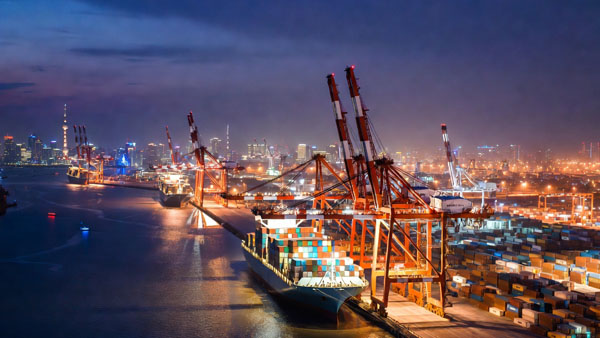
How can forwarders upgrade shipping solutions for manufacturing client groups?
Forwarders need to develop production-matched targeted logistics solutions based on the operational characteristics of Shipping from Shanghai to Tokyo to support long-term stable industrial cooperation. Customized shipping scheduling and standardized service execution help forwarders deepen strategic cooperation with industrial enterprise clients. The recommended approach is to design exclusive shipment plans according to each manufacturer’s actual production cycle and material replenishment frequency.
Formulate fixed weekly shipment cycles aligned with production rhythms: Arrange regular weekly liner booking plans matching factory material consumption cycles to achieve continuous and stable parts replenishment for Japanese assembly production lines.
Implement professional stowage management and protective packaging guidance: Provide specialized container loading suggestions and packaging standard guidance for precision industrial cargo to reduce transportation damage and quality loss during short-sea transit.
Deploy dedicated real-time cargo tracking and regular status feedback: Arrange professional operational personnel to regularly update shipment positioning, customs clearance progress and estimated arrival time for manufacturing enterprise production management departments.
Optimize standardized customs declaration procedures for industrial commodities: Unify HS code classification criteria and declaration document compilation standards to ensure smooth customs clearance and avoid unnecessary inspection-related delivery delays.
What long-term operational benefits do manufacturing-focused logistics bring to forwarders?
Cooperating with manufacturing enterprises provides forwarders operating the Shanghai-Tokyo sea route with stable, repeatable annual shipment volume, forming sustainable long-term business revenue instead of volatile sporadic spot market orders. Industrial clients usually sign long-term cooperative contracts and generate continuous cyclic logistics demand throughout the whole year.
Forwarders should note that manufacturing logistics cooperation is one of the commonly adopted approaches for forwarders to stabilize business scale within the competitive Northeast Asian short-sea freight market. Industrial client cooperation loyalty remains steady as long as logistics service stability and shipment delivery reliability are consistently maintained.
In summary, optimizing logistics operational arrangements to strengthen cross-border manufacturing industrial linkages is essential for forwarders relying on Shipping from Shanghai to Tokyo to achieve sustainable and stable long-term business development. Professional manufacturing-oriented shipping services create mutually beneficial continuous development for both freight forwarders and cross-border industrial cooperative enterprises.
Last
Navigating Seasonal Volatility for Sea Freight from Qingdao to Vancouver
Shipping from Qingdao to Vancouver encounters recurring seasonal container freight rate fluctuations, liner capacity reallocations
Next
Integrating Local Clearance with Shanghai-Tokyo Sea Freight
Shipping from Shanghai to Tokyo is a core short-sea container tradelane supporting frequent bilateral industrial and commercial tr

